
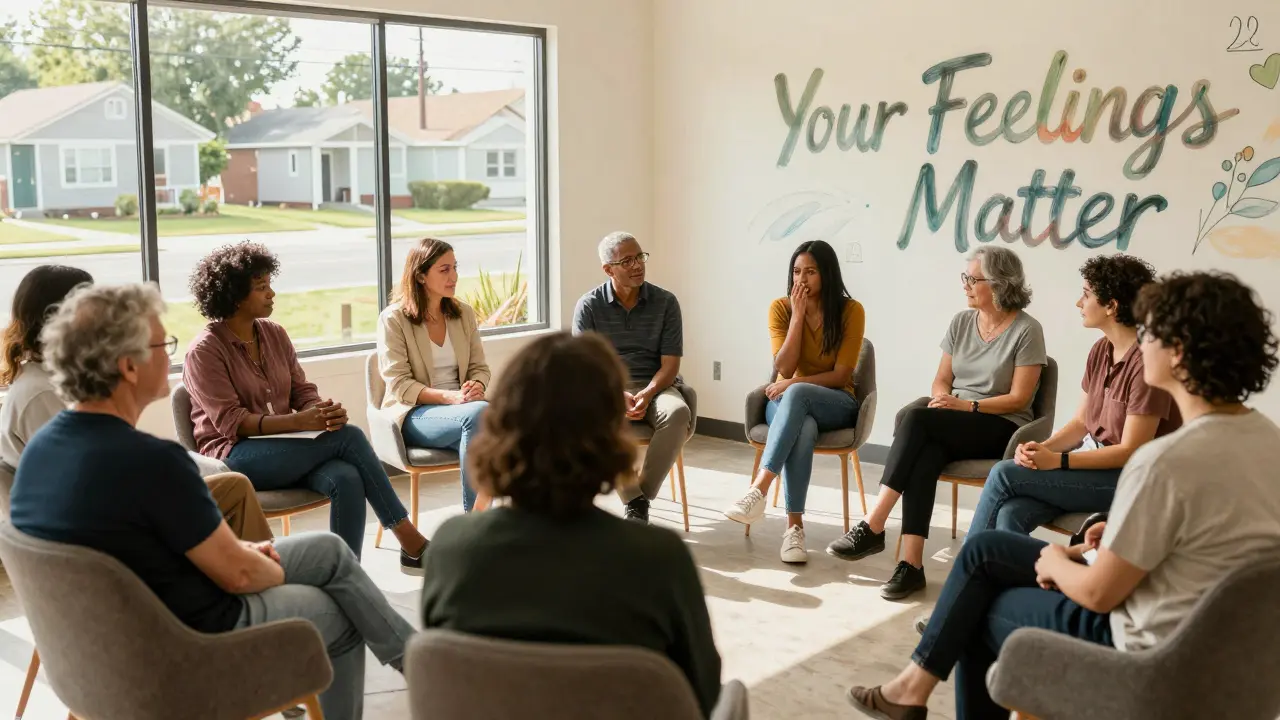
When we talk about a healthy society, we don’t just mean people who don’t get sick. We mean communities where people feel safe to speak up, where no one hides their pain because they’re afraid of being judged, and where help isn’t a luxury-it’s a given. Mental health awareness isn’t just another buzzword. It’s the foundation of everything else that makes life worth living.
Why Mental Health Is Not Separate From Physical Health
For years, we treated mental health like a side issue. If you broke your leg, you went to the hospital. If you were overwhelmed, anxious, or numb, you were told to "just snap out of it." That mindset is outdated, and it’s dangerous. The World Health Organization says mental health conditions cost the global economy over $1 trillion a year in lost productivity. But that number doesn’t capture the real cost-the quiet tears, the missed birthdays, the jobs left behind, the lives cut short.
Here’s the truth: your brain is part of your body. Depression doesn’t just "feel" heavy-it lowers your immune system. Chronic anxiety raises your blood pressure. Sleep loss from trauma or stress increases your risk of heart disease. You can’t have a healthy body without a healthy mind. And yet, in many places, mental health care is still treated like an afterthought.
The Stigma That Still Exists
In 2026, people still whisper about therapy. Parents tell their teens to "stop being dramatic" when they’re struggling with depression. Employers ask candidates if they’ve ever taken time off for "mental reasons"-and not in a supportive way. In Australia, one in five adults will experience a mental illness in any given year. But only half of them seek help.
Why? Because shame still wins. Shame tells you that asking for help means you’re weak. Shame tells you that if you just tried harder, you’d be fine. But mental illness isn’t a character flaw. It’s not laziness. It’s not a phase. It’s a medical condition, just like diabetes or asthma. And like those conditions, it needs treatment, not judgment.
Take the story of a teacher from Adelaide I spoke with last year. She had panic attacks before class but didn’t tell anyone. She thought her students would lose respect for her. When she finally saw a therapist, she learned her anxiety wasn’t about being unqualified-it was about unresolved trauma from her childhood. With support, she returned to teaching, not just surviving, but thriving. Her story isn’t rare. It’s just rarely told.
What Real Mental Health Awareness Looks Like
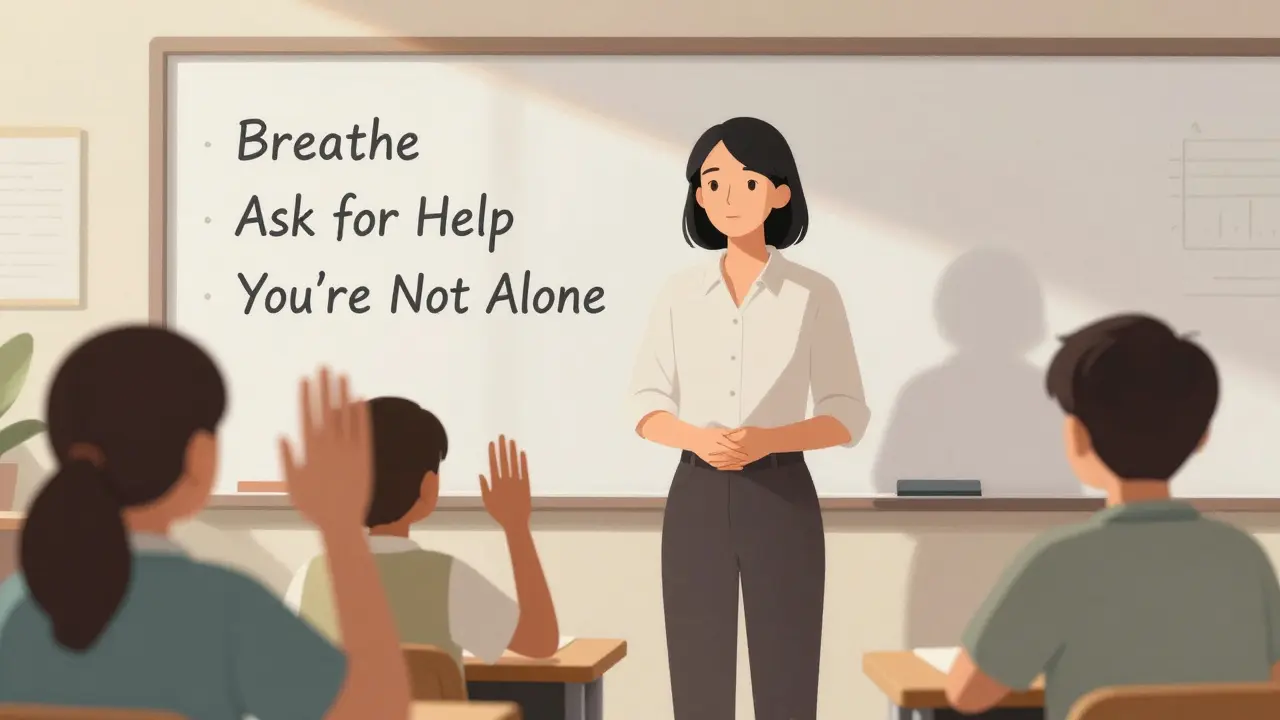
Awareness isn’t just posting a ribbon on social media. Real awareness changes systems. It means schools teaching emotional regulation from grade one. It means workplaces offering paid mental health days, not just "wellness programs" that require you to do yoga on your lunch break. It means GPs routinely screening for depression during annual check-ups, not waiting for someone to collapse before they act.
In New Zealand, public health clinics now include mental health nurses as standard. In Canada, workplace mental health training is mandatory for managers. Here in Australia, the National Mental Health Commission found that every $1 invested in early intervention saves up to $4 in future health and social costs. That’s not charity. That’s smart policy.
Real awareness means making space-for silence, for tears, for "I’m not okay." It means training teachers, police officers, and retail workers to recognize signs of distress. It means funding community centers that offer free counseling, not just in cities, but in rural towns where the nearest therapist is a two-hour drive away.
The Ripple Effect on Families and Communities
When one person gets help, it doesn’t stop with them. A parent who learns to manage their anxiety becomes calmer at home. A teenager who finds therapy stops self-harming-and starts trusting again. A veteran who receives PTSD support stops isolating himself and reconnects with his kids.
These aren’t abstract outcomes. They’re measurable. Studies from the University of Melbourne show that when a household member receives consistent mental health care, children’s academic performance improves by up to 30%. Domestic conflict drops. Substance use declines. People return to work. Relationships heal.
And it starts with awareness. Not just knowing that depression exists-but knowing how to respond. Not just recognizing suicide warning signs, but knowing exactly who to call and what to say. A simple phrase like "I’m here for you" can be the difference between isolation and intervention.
How You Can Help-Without Being a Therapist
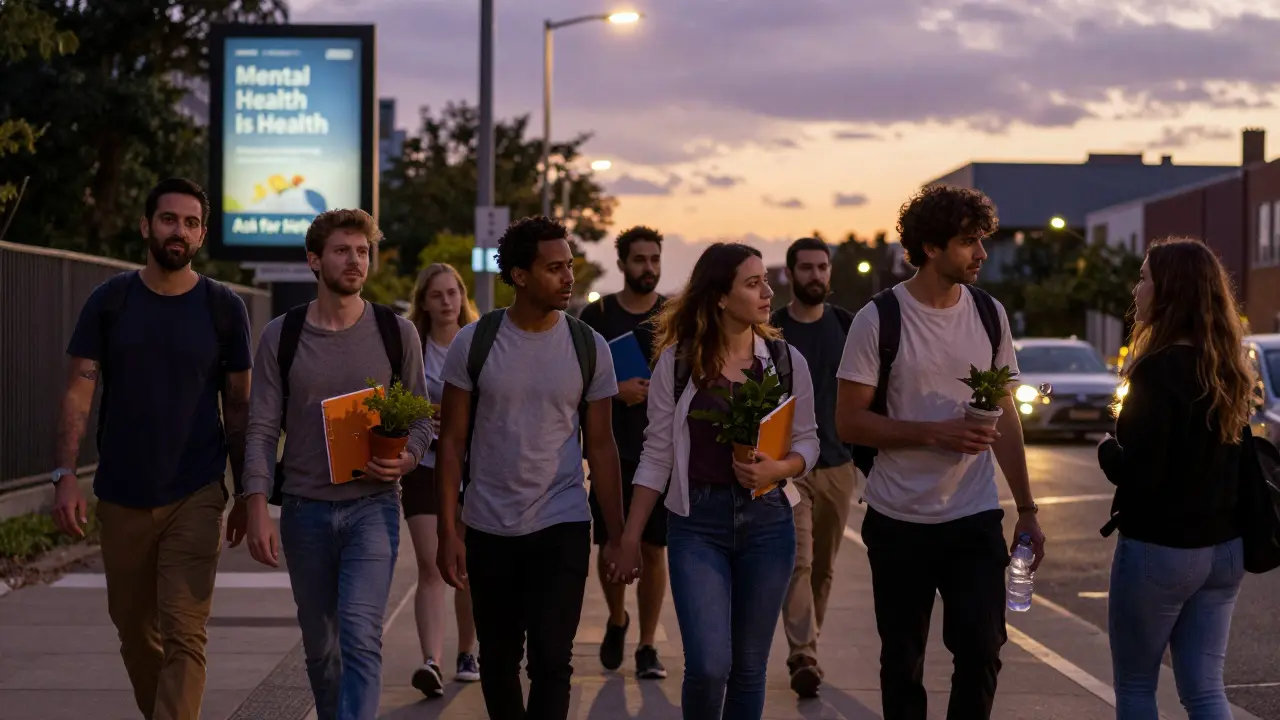
You don’t need a degree to make a difference. You just need to show up.
- Ask people how they’re really doing-and mean it. Don’t just say "You good?" and walk away. Say, "I’ve noticed you’ve been quiet lately. Want to talk?"
- Learn the signs: withdrawal, sudden mood swings, giving away possessions, talking about hopelessness. These aren’t "just phases." They’re red flags.
- Share resources. If you’ve had therapy, say so. Normalize it. Say, "I started seeing someone last year. It helped me more than I expected."
- Support organizations that offer free or low-cost services. Even a small donation or volunteering an hour a month helps.
- Challenge harmful language. If someone says, "That’s so OCD" or "I’m so bipolar," gently correct them. Words shape attitudes.
And if you’re struggling? You’re not alone. You don’t have to be brave all the time. You don’t have to fix yourself before asking for help. Help is not a reward for being strong. It’s a right.
What’s Next? We Need More Than Awareness-We Need Action
Awareness is the first step. But without policy, funding, and cultural change, it’s just noise. We need mental health care to be as easy to access as a GP visit. We need insurance to cover therapy without endless paperwork. We need schools to teach emotional literacy like math. We need media to portray mental illness with dignity, not drama.
And we need to stop waiting for a crisis to act. Mental health isn’t about fixing broken people. It’s about building a society where people don’t break in the first place.
Is mental health awareness only for people with diagnosed conditions?
No. Mental health awareness benefits everyone. Even people who feel fine can learn how to manage stress, recognize warning signs in others, and create supportive environments. Just like we all benefit from knowing basic first aid, we all benefit from understanding emotional well-being. You don’t need to be struggling to care.
Can mental health awareness reduce suicide rates?
Yes. Research from the Australian Institute of Health and Welfare shows that communities with strong mental health education and accessible support services see up to a 25% reduction in suicide attempts. Awareness saves lives-not because it cures depression, but because it removes silence. When people feel safe to say they’re in pain, they’re far more likely to get help before it’s too late.
Why isn’t mental health care covered like physical health care?
Historically, mental health was seen as less "real" than physical illness. That’s changing, but slowly. In Australia, Medicare covers some psychology sessions, but there are limits-only 10 per year, and many providers don’t bulk bill. This gap exists because funding hasn’t kept up with need. It’s not about lack of evidence. It’s about outdated beliefs. We treat broken bones immediately. We should treat broken spirits the same way.
How do I know if someone I care about needs help?
Look for changes: they stop enjoying things they used to love, they withdraw from friends, they talk about feeling hopeless or trapped, or they give away belongings. Other signs include extreme mood swings, sleeping too much or too little, or using alcohol or drugs more heavily. If you’re unsure, ask. A simple, caring question like, "I’ve noticed you’ve been different lately. Is everything okay?" opens the door without pressure.
What if I’m afraid to talk about mental health at work?
You’re not alone in that fear. But workplaces are changing. Many Australian companies now have mental health first aiders and confidential support lines. If your workplace doesn’t, start by sharing your own experience-not as a complaint, but as a way to normalize the conversation. Say something like, "I’ve been learning about mental health lately, and I think it’s something we should talk about as a team." Often, others are waiting for someone to speak up first.