
You’ve probably seen those colorful bottles on Instagram or heard friends swear by lavender oil for sleep. It looks simple enough-just drop a few drops in water and breathe. But here’s the thing: essential oils are potent chemical extracts, not just nice-smelling perfumes. Using them incorrectly can irritate your skin, trigger headaches, or even harm pets. So, how do you start without making rookie mistakes?
This guide cuts through the hype. We’ll cover what aromatherapy actually is, which oils are best for newbies, how to use them safely, and the equipment you really need (spoiler: it’s less than you think). By the end, you’ll have a clear plan to build a calming routine that works.
What is aromatherapy exactly?
Aromatherapy is a holistic healing treatment that uses natural plant extracts, specifically essential oils, to promote health and well-being. It’s not magic; it’s science mixed with sensory experience. When you inhale these oils, aromatic molecules travel from your nose to the brain, triggering changes in mood and stress levels. Some people also apply diluted oils to the skin for localized relief.
The Basics: What Are Essential Oils?
Before buying anything, you need to know what you’re dealing with. Essential oils are highly concentrated liquids containing volatile aroma compounds from plants. They are extracted through steam distillation or cold pressing. Because they are so concentrated, a single drop of lavender oil contains the essence of hundreds of flowers. This potency means you never use them undiluted on your skin.
Not all "essential" oils are created equal. Look for bottles labeled "100% pure" and "therapeutic grade." Avoid products that say "fragrance oil" or "perfume oil," as these are often synthetic and lack the therapeutic benefits. Common carriers include Carrier oils like Jojoba, Coconut, or Almond oil, which dilute the essential oil to safe levels for topical application.
Your Starter Kit: 5 Essential Oils for Beginners
You don’t need fifty bottles to get started. In fact, starting small prevents overwhelm and waste. Here are five versatile, gentle oils that handle most beginner needs:
- Lavender: The gold standard. Calming, soothing, and generally safe for most people. Great for sleep and minor burns.
- Peppermint: Energizing and cooling. Helps with focus, headaches, and digestive discomfort. Use sparingly-it’s strong.
- Eucalyptus: Clears sinuses and opens airways. Perfect during cold season or when you feel stuffy.
- Tea Tree: Antimicrobial and cleansing. Often used for acne or cleaning surfaces, but never ingest it.
- Lemon: Uplifting and clarifying. Boosts mood and adds a fresh scent to any room. Note: It can make skin sensitive to sunlight, so avoid sun exposure after topical use.
Safety First: Rules You Cannot Break
Safety is non-negotiable in aromatherapy. Ignoring these rules can lead to skin irritation, allergic reactions, or worse. Keep these principles in mind:
- Always Dilute: Never apply undiluted essential oils directly to your skin. Mix 1-2 drops of essential oil with one teaspoon of carrier oil (like jojoba or coconut) for a safe 2% dilution rate.
- Patch Test: Before using a new oil widely, apply a tiny amount of diluted oil to your inner arm. Wait 24 hours to check for redness or itching.
- Keep Away from Pets: Many oils toxic to cats and dogs. Tea tree, peppermint, and eucalyptus are particularly dangerous for pets. Diffuse in well-ventilated areas where pets can leave the room.
- Pregnancy & Children: Consult a doctor before using oils if you are pregnant, nursing, or treating young children. Some oils stimulate uterine contractions or affect hormone levels.
- No Ingestion: Do not swallow essential oils unless under strict supervision of a qualified healthcare provider. They are too concentrated for internal use.
How to Use Essential Oils: Three Simple Methods
Once you have your oils, how do you actually use them? Here are the three most common and effective methods for beginners.
1. Diffusion
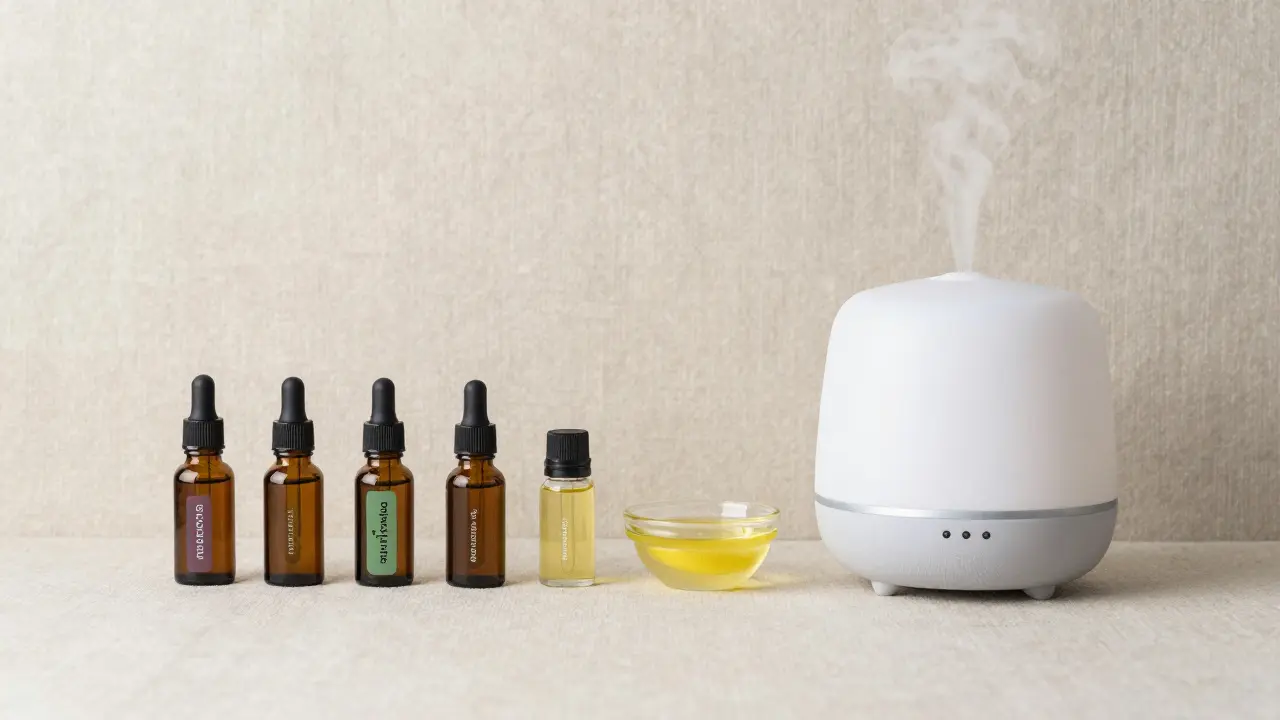
Diffusing spreads the aroma throughout a room. You’ll need an ultrasonic or nebulizing Diffuser that breaks down essential oils into a fine mist for inhalation. Add 3-5 drops of oil to the water reservoir (or directly into the nebulizer, depending on the model). Run it for 30-60 minutes at a time. This is ideal for relaxation, focus, or purifying the air.
2. Topical Application
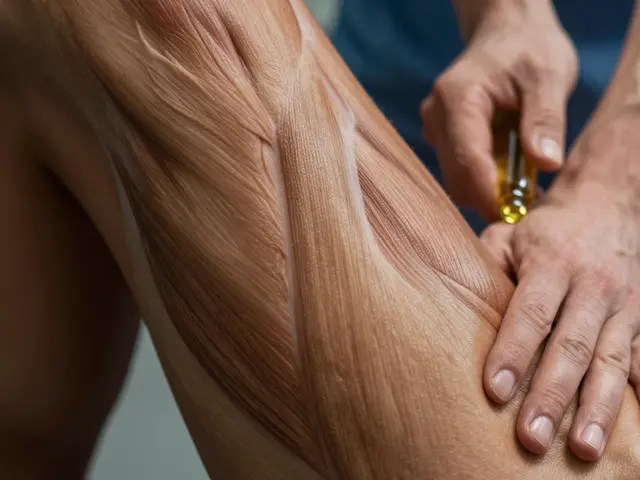
Applying diluted oils to the skin allows for targeted relief. For example, massage diluted lavender oil onto your temples for headaches or feet for relaxation. Always mix with a carrier oil first. Popular application spots include wrists, behind ears, and the soles of the feet.
3. Inhalation
The quickest way to feel effects. Place 1-2 drops of oil on a tissue or cotton ball and inhale deeply. Alternatively, add a drop to hot bathwater (mixed with Epsom salts or body wash first to disperse properly). This method is great for instant stress relief or clearing congestion.
Common Mistakes Newbies Make
Even with good intentions, beginners often trip up. Avoid these pitfalls to save money and stay safe:
- Using Too Much Oil: More isn’t better. Over-diffusing can cause headaches, nausea, or respiratory irritation. Start with fewer drops and increase gradually.
- Mixing Random Blends: Not all oils work well together. Stick to proven combinations like Lavender + Lemon for calm energy, or Peppermint + Eucalyptus for focus.
- Ignoring Storage: Essential oils degrade when exposed to light, heat, and air. Store them in dark glass bottles in a cool, dry place. Proper storage extends their life by years.
- Expecting Miracles: Aromatherapy supports wellness; it doesn’t cure diseases. It’s a complementary therapy, not a replacement for medical treatment.
Building Your Routine: Where to Start Today
Don’t try to do everything at once. Pick one goal-better sleep, reduced stress, or clearer air-and build around it. For example, if sleep is your priority, buy lavender oil and a small diffuser. Set a reminder to diffuse it 30 minutes before bed. Track how you feel over two weeks. Adjust based on results.
Start small, stay consistent, and listen to your body. Aromatherapy is personal. What works for your friend might not work for you. Experiment safely, keep notes, and enjoy the process of discovering what brings you balance.
Can I use essential oils every day?
Yes, but variety matters. Rotating oils prevents olfactory fatigue (where you stop smelling the scent) and reduces the risk of sensitization. Limit continuous diffusion to 30-60 minutes per session, with breaks in between.
Are essential oils safe for children?
Some are, but caution is required. Avoid strong oils like peppermint, eucalyptus, and wintergreen for children under six. Gentle options like lavender and chamomile are generally safer, but always dilute heavily (0.5-1%) and consult a pediatrician first.
How long do essential oils last?
Shelf life varies by type. Citrus oils (lemon, orange) last about 1-2 years due to high limonene content. Woody and resinous oils (cedarwood, frankincense) can last 3-8 years or more. Store them properly to maximize longevity.
Do I need expensive oils?
Quality matters more than price tag alone. Look for transparency from the brand: Latin name, country of origin, extraction method, and GC/MS test results available. Extremely cheap oils may be adulterated with synthetics.
Can essential oils replace medication?
No. Essential oils are complementary therapies. They support mental and physical well-being but should never replace prescribed medications or professional medical advice for serious conditions.