

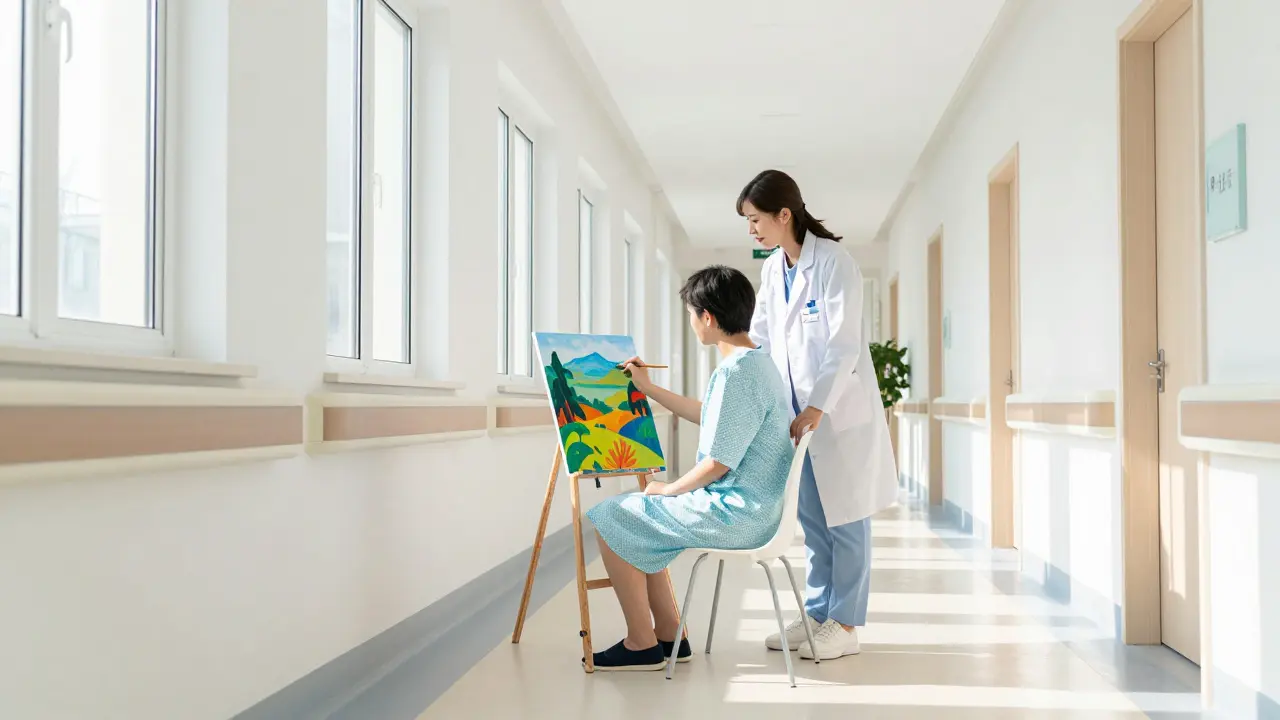
Imagine walking into a sterile hospital ward where the silence is broken not by beeping monitors, but by the sound of a cello or the sight of a patient painting a vibrant landscape. For a long time, medicine focused almost exclusively on the biological-fixing a broken bone or suppressing a virus. But we're seeing a massive shift. Doctors are realizing that healing a person requires more than just chemical intervention; it requires engaging the human spirit. This is where creative arts therapies step in, moving from the "nice-to-have" periphery of healthcare into the core of integrative treatment plans.
Quick Takeaways for Your Health Journey
- Creative arts therapies use non-verbal expression to treat trauma, chronic pain, and cognitive decline.
- These practices lower cortisol levels and reduce the need for heavy sedative medications in clinical settings.
- They are evidence-based interventions, not just "hobbies," requiring specialized clinical certification.
- Integration into modern medicine allows for a holistic approach that treats the patient, not just the symptom.
Beyond the Prescription Pad: What Actually Happens?
When we talk about these therapies, we aren't talking about a casual painting class or listening to a favorite album. We are talking about clinical interventions. Art Therapy is a mental health profession that uses the creative process of making art to improve a person’s physical, mental, and emotional well-being. It is a structured process guided by a therapist who helps patients externalize feelings that are too complex or painful for words. For example, a veteran suffering from PTSD might not be able to describe a flashback, but they can paint the "weight" of that memory using heavy, dark strokes of acrylic. By putting the trauma on a canvas, the patient creates a distance between themselves and the pain, making it something they can observe and eventually manage.
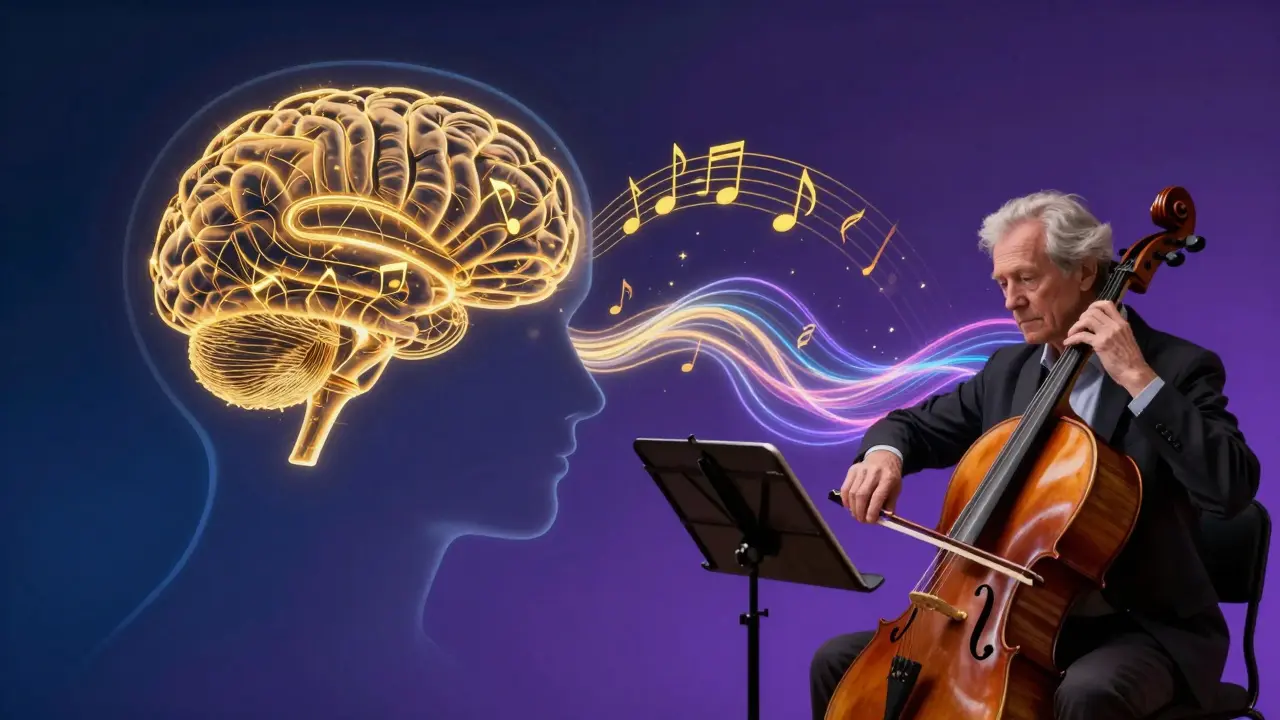
Similarly, Music Therapy is an evidence-based clinical practice where a therapist uses music interventions to accomplish individualized goals. It's not just about relaxation. In neurology, music is used to "wake up" parts of the brain that speech cannot reach. We see this in patients with advanced Alzheimer's who may not remember their spouse's name but can suddenly sing every lyric to a song from their youth. This isn't magic; it's the way the brain encodes musical memory in areas that remain intact long after other cognitive functions fade.
The Biological Impact of Creativity
Why does this work? It comes down to how our bodies respond to creative stimulation. When a patient engages in a creative act, the brain releases dopamine, the "feel-good" neurotransmitter. More importantly, it helps regulate the autonomic nervous system. In high-stress environments like oncology wards, the presence of a Creative Arts Therapist can actually lower a patient's heart rate and blood pressure.
A study conducted at the Mayo Clinic showed that patients who participated in art-based interventions reported a significant decrease in anxiety and a higher tolerance for pain. This happens because the brain shifts from a state of "threat" (the fight-or-flight response) to a state of "flow." When you are focused on the texture of clay or the rhythm of a drum, your brain effectively mutes the noise of chronic pain. This allows clinicians to potentially reduce the dosage of opioids or anxiolytics, reducing the risk of addiction and side effects.
| Modality | Primary Mechanism | Best For... | Clinical Goal |
|---|---|---|---|
| Art Therapy | Visual Symbolism | Trauma, PTSD, Depression | Emotional Externalization |
| Music Therapy | Auditory & Rhythmic Stimulation | Neurological Rehab, Dementia | Cognitive Retrieval/Motor Skills |
| Dance/Movement Therapy | Somatic Awareness | Eating Disorders, Chronic Pain | Body-Mind Reconnection |
| Drama Therapy | Role-playing & Projection | Social Anxiety, Autism Spectrum | Interpersonal Skill Building |
Tackling Chronic Pain and Physical Rehab
If you've ever tried to describe a dull ache or a stabbing pain to a doctor, you know how frustrating it is. Words often fail us. Dance/Movement Therapy (DMT) solves this by using the body as the primary tool for communication. DMT isn't about being a dancer; it's about moving to express what the mind cannot. In physical rehabilitation for stroke victims, movement therapy combined with rhythmic music helps the brain bypass damaged pathways to rediscover motor function. This process, known as neuroplasticity, is accelerated when the patient is emotionally engaged in the movement.
In palliative care, the goal shifts from curing to comforting. Here, Drama Therapy can be a lifeline. It allows patients facing terminal illness to explore their legacy or resolve unfinished emotional business through storytelling and role-play. It transforms the patient from a passive recipient of care into an active creator of their own narrative. This sense of agency is a powerful antidote to the helplessness often felt in a hospital setting.
Integration into Modern Health Systems
For these therapies to work, they can't be an afterthought. They need to be part of Integrative Medicine, a practice that combines conventional Western medicine with complementary therapies. This means the art therapist, the psychiatrist, and the primary care physician are all on the same page, sharing a single treatment plan.
The real challenge has been the "proof" required by insurance companies. However, the data is becoming undeniable. With the rise of the biopsychosocial model of health, we now understand that a patient's social and emotional state directly impacts their biological recovery. A patient who is depressed and isolated heals slower than one who is engaged and hopeful. Creative arts therapies provide that bridge to hope. They give a patient a reason to look forward to a session, which in turn increases their adherence to other, less pleasant medical treatments like chemotherapy or dialysis.
Avoiding Common Misconceptions
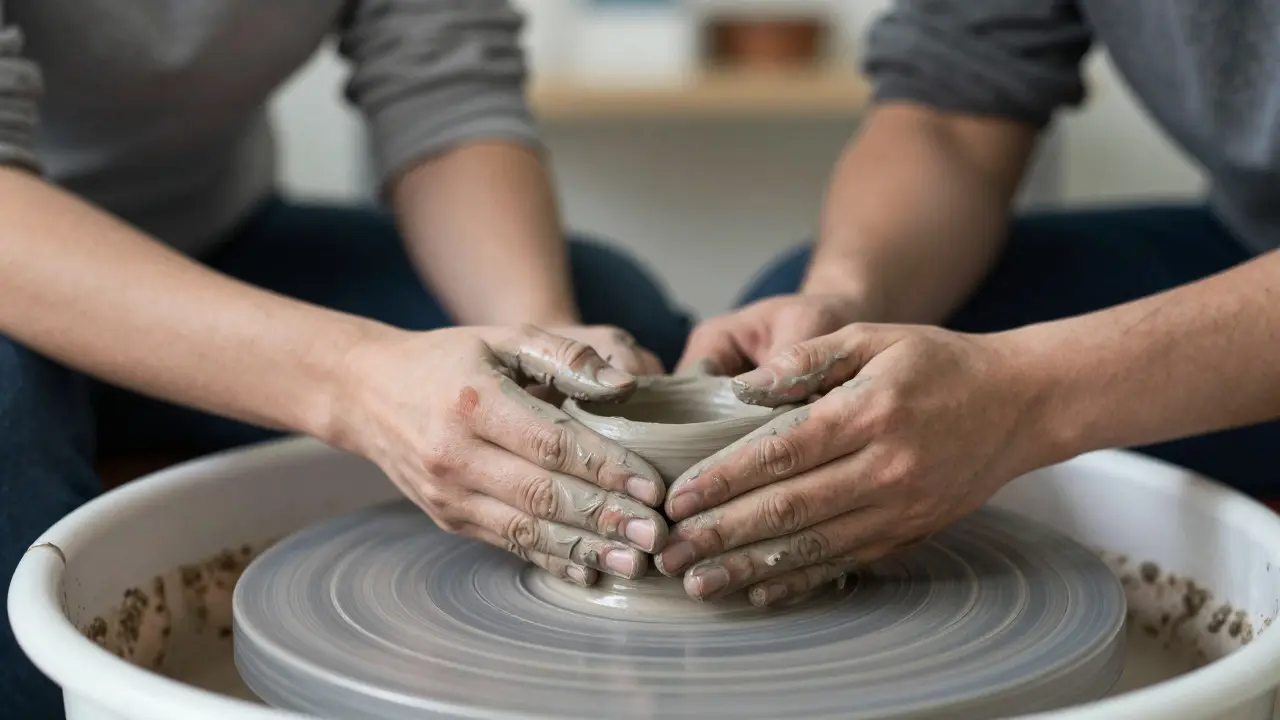
One of the biggest hurdles is the belief that you need to be "talented" to benefit from these therapies. This is a total myth. In a clinical setting, the process is the product. It doesn't matter if the drawing looks like a scribble or if the song is off-key. The value lies in the act of creation-the movement of the hand, the vibration of the voice, the choice of color. When we judge the aesthetic quality of the work, we miss the therapeutic value. A "bad" painting that allows a patient to express deep-seated anger is a clinical success.
Another misconception is that these are merely supportive activities to keep patients busy. While they do provide a positive distraction, they are often the primary tool for diagnosing emotional states. A therapist can see a shift in a patient's mood long before the patient can articulate it, simply by noticing a change in the colors they choose or the tempo of the music they create. This provides an early warning system for clinicians to adjust psychiatric medications or interventions.
Is art therapy the same as a regular art class?
No. While an art class focuses on skill, technique, and the final product, art therapy is led by a licensed professional who focuses on the psychological process. The goal isn't to make "good art," but to use art as a way to explore emotions, reduce stress, and facilitate healing. The therapist is trained to interpret symbols and guide the patient through emotional breakthroughs.
Can music therapy actually replace medication for pain?
It is rarely a total replacement, but it is a powerful adjunct. Music therapy can lower the perception of pain and anxiety, which often allows doctors to reduce the dose of pharmaceutical painkillers. This is particularly useful in post-surgical recovery and chronic pain management where minimizing opioid dependency is a priority.
Who is eligible for creative arts therapies?
Almost anyone. These therapies are effective for children with autism, adults with dementia, veterans with PTSD, and cancer patients managing the stress of treatment. Because they don't rely solely on verbal communication, they are especially helpful for people with speech impairments or those who are non-verbal.
How do I find a certified creative arts therapist?
Look for credentials from recognized boards, such as the American Art Therapy Association (AATA) or the American Music Therapy Association (AMTA). Ensure the practitioner has a master's degree in their specific field and is licensed to practice in your state or country, as "certified" can sometimes be a vague term used by non-clinicians.
Does insurance cover these therapies?
Coverage varies widely. Many integrative health clinics and some forward-thinking insurance providers are starting to cover these as part of a behavioral health plan. It often depends on the diagnosis; for example, music therapy for stroke recovery is more likely to be covered than art therapy for general wellness.
Next Steps for Patients and Caregivers
If you or a loved one are navigating a complex medical journey, don't wait for the doctor to suggest these options. Start by asking your care team if they have an integrative medicine department. If they don't, ask for a referral to a board-certified therapist. For those in a home setting, you can start with "creative engagement"-simple activities like journaling or listening to curated playlists-but remember that these are different from clinical therapy. To get the full medical benefit, professional guidance is key to ensuring the emotional work is handled safely and effectively.