
Ever walked into a room and instantly felt calmer, more energized, or oddly nostalgic-just from a smell? That’s aromatherapy at work. It’s not magic. It’s science. And it’s easier to start than you think.
At its core, aromatherapy uses natural plant extracts-called essential oils-to support physical and emotional well-being. These oils come from flowers, leaves, roots, peels, and other parts of plants. When inhaled or applied to the skin (usually diluted), they interact with your body’s systems. Not all oils are the same. Some lift your mood. Others help you sleep. A few even ease headaches or soothe sore muscles.
How Aromatherapy Actually Works
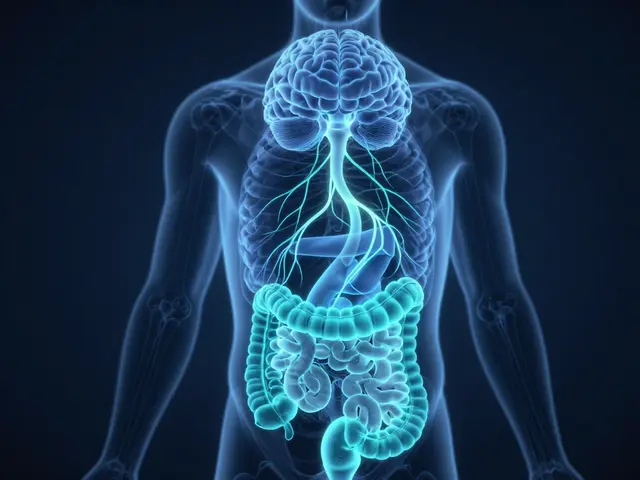
Your nose doesn’t just detect smells-it talks directly to your brain. When you inhale an essential oil, molecules travel through your nasal passages to the olfactory bulb. That part of your brain connects to the limbic system, which controls emotions, memory, and stress responses. That’s why the smell of lavender can make you feel calm, even if you don’t consciously think about it.
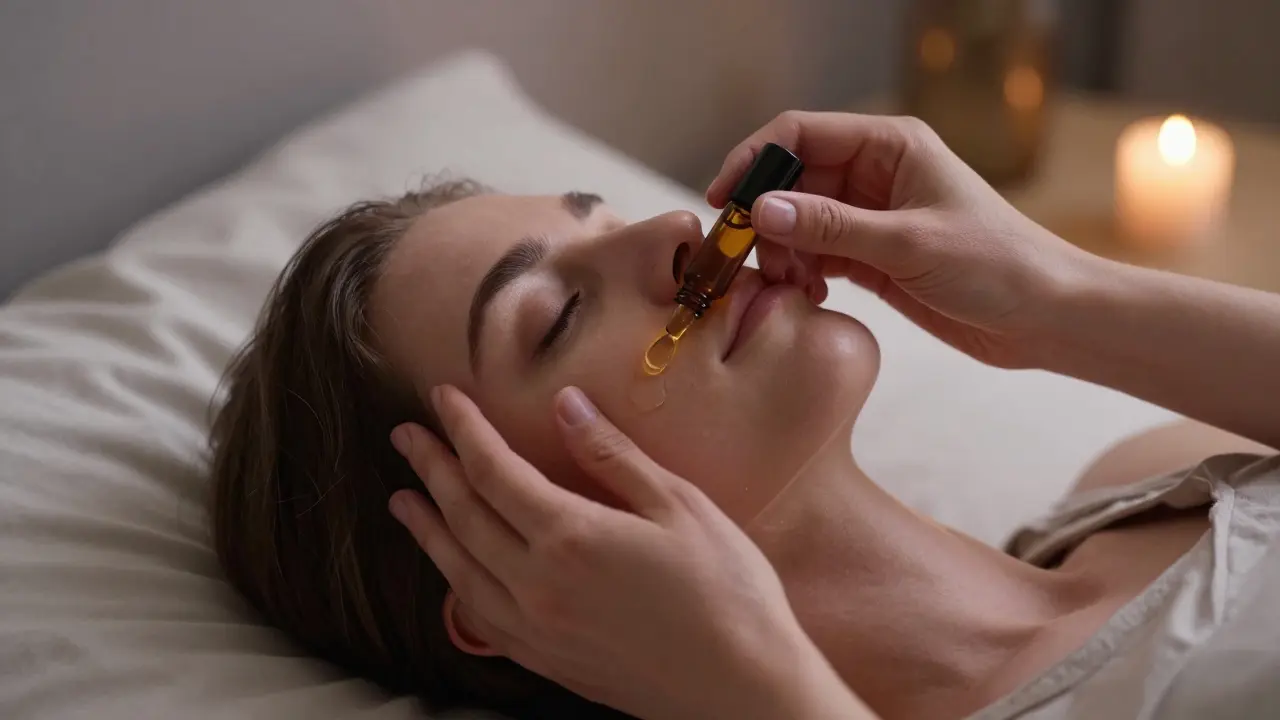
Essential oils also get absorbed through the skin. When you massage diluted oil into your arms or feet, tiny molecules enter your bloodstream. That’s why peppermint oil on your temples might reduce a headache, or eucalyptus on your chest can help clear congestion. It’s not placebo. Studies from the Journal of Alternative and Complementary Medicine show measurable changes in heart rate, cortisol levels, and brainwave patterns after using specific oils.
What You Need to Get Started
You don’t need a lab or a fancy diffuser to begin. Here’s the bare minimum:
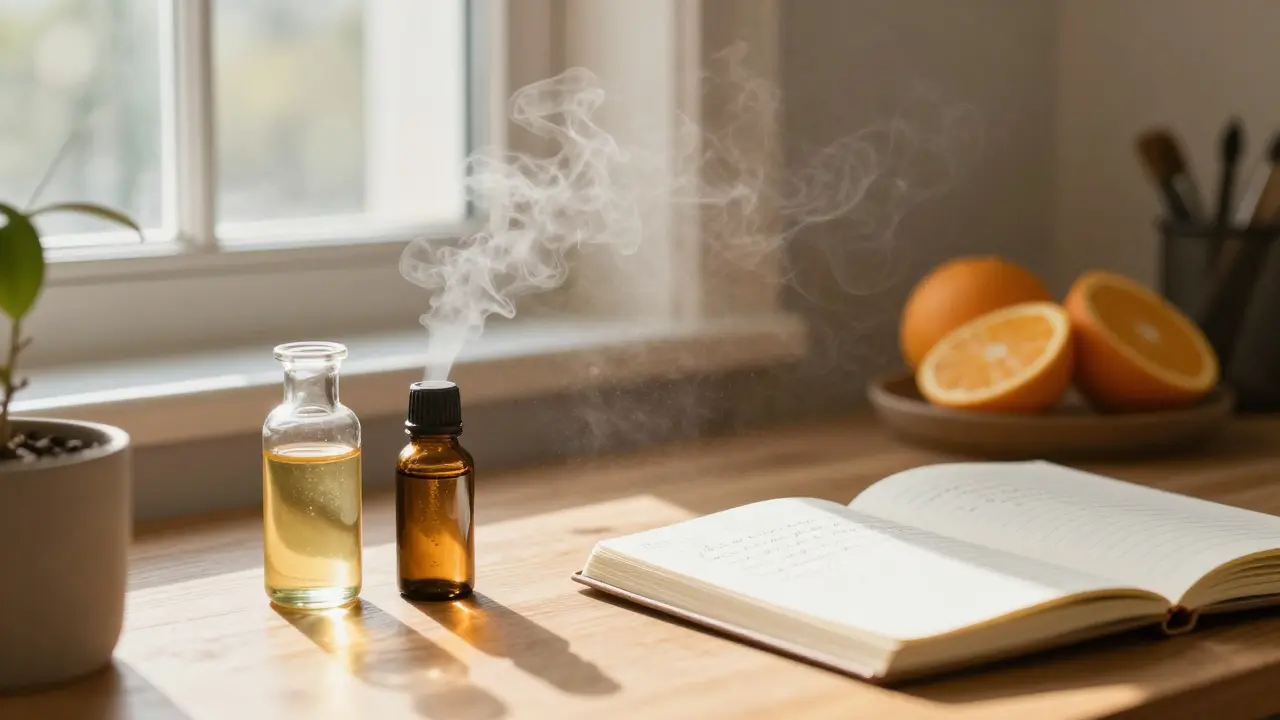
- One or two high-quality essential oils-Lavender and citrus oils like sweet orange or lemon are safe, gentle, and widely used by beginners.
- A carrier oil-like fractionated coconut oil, sweet almond oil, or jojoba oil. This dilutes essential oils so they don’t irritate your skin.
- A small glass bottle (dark amber or blue) to store your blends. Light and heat degrade oils.
- A diffuser (optional but helpful). Ultrasonic diffusers use water and a few drops of oil to spread scent gently through the air. No heat. No smoke. Just quiet mist.
Forget those cheap oils sold in big-box stores. They’re often diluted with synthetic fragrances or alcohol. Look for labels that say: 100% pure essential oil, the plant’s Latin name (like Lavandula angustifolia), and no additives. Brands like Plant Therapy, Aura Cacia, and Eden’s Garden are trusted by practitioners in Australia and beyond.
Five Beginner-Friendly Oils and What They Do
Start with these five. They’re safe, widely available, and backed by user reports and clinical use:
| Oil | Primary Benefit | How to Use |
|---|---|---|
| Lavender | Calms anxiety, improves sleep | Diffuse before bed. Add 2 drops to pillowcase. Mix 3 drops with 1 tsp carrier oil for a wrist rub. |
| Peppermint | Boosts focus, eases headaches | Diffuse while working. Apply 1 drop mixed with carrier oil to temples (avoid eyes). Inhale directly from bottle when feeling foggy. |
| Sweet Orange | Lifts mood, reduces stress | Add 3 drops to a diffuser in the morning. Mix with coconut oil for a refreshing body lotion. |
| Eucalyptus | Clears sinuses, supports breathing | Diffuse during cold season. Add 2 drops to a steam inhalation (hot water + towel over head). |
| Chamomile (Roman) | Sothes irritation, eases tension | Use in bath (5 drops mixed with 1 tbsp carrier oil). Apply diluted to neck and shoulders after a long day. |
Always do a patch test before using any oil on your skin. Put one drop diluted in carrier oil on your inner forearm. Wait 24 hours. If no redness or itch, you’re good to go.
Simple Ways to Use Aromatherapy Daily
You don’t need to turn your home into a spa to benefit. Try these real-life routines:
- Morning energy boost-Add 2 drops of sweet orange and 1 drop of peppermint to your diffuser while you make coffee. It’s better than caffeine for steady focus.
- Stress reset-Keep a small rollerball (5 drops lavender + 10ml jojoba oil) in your bag. Roll it on your wrists when you feel overwhelmed.
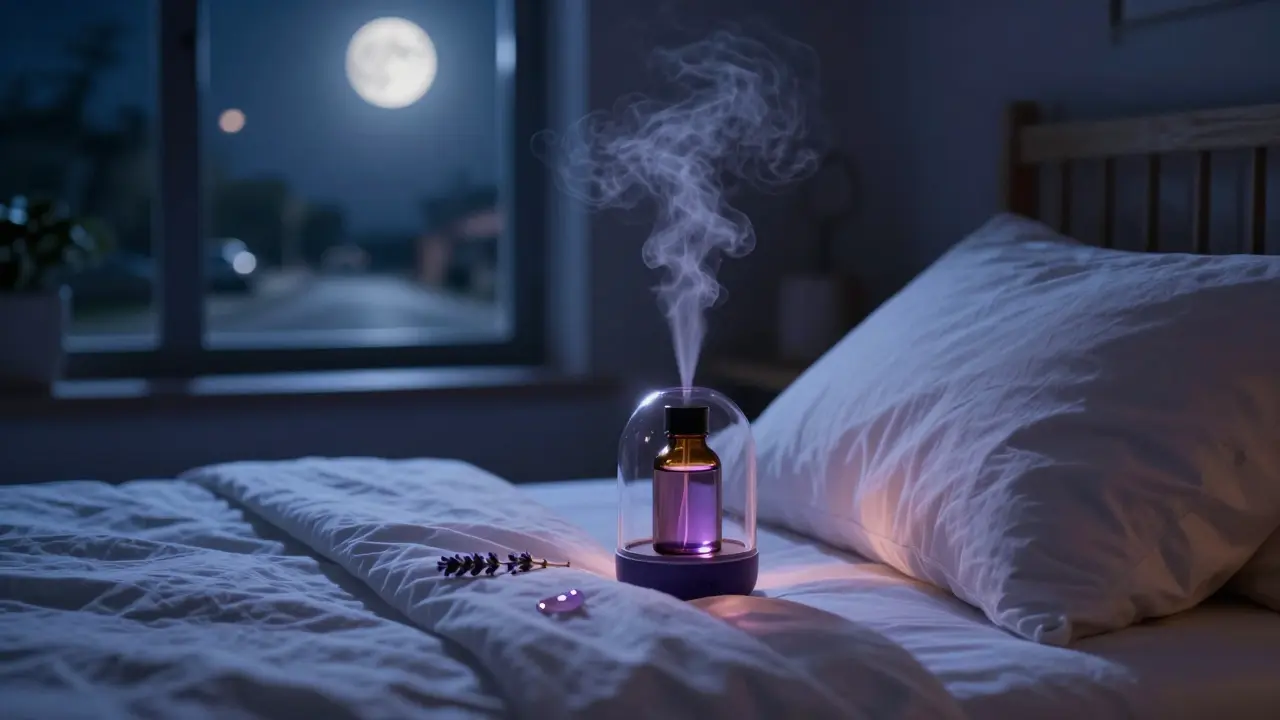
- Bedtime ritual-Put 3 drops of lavender on your pillow or diffuse it 30 minutes before sleep. Studies show it increases slow-wave sleep.
- Headache relief-Mix 1 drop peppermint + 1 drop lavender with 1 tsp carrier oil. Gently massage your temples and the back of your neck.
- Laundry scent-Add 2 drops of lemon or tea tree oil to your fabric softener compartment. It freshens clothes naturally.
What to Avoid
Aromatherapy is safe when done right. But there are real risks if you skip basics:
- Never apply undiluted oil directly to skin. Even “gentle” oils like lavender can cause irritation if used neat.
- Don’t ingest oils. Unless under supervision of a trained aromatherapist or doctor, swallowing essential oils is dangerous. They’re concentrated.
- Keep away from pets. Cats and birds are especially sensitive. Eucalyptus, tea tree, and citrus oils can be toxic to them.
- Check pregnancy and medical conditions. Some oils (like rosemary, clary sage) aren’t recommended during pregnancy or for people with epilepsy or high blood pressure.
- Store properly. Keep oils in a cool, dark place. Heat and sunlight break them down. Most last 1-3 years.
When to Skip It
Aromatherapy isn’t a cure-all. If you have:
- Severe asthma or allergies
- Chemotherapy or immune suppression
- Children under 2 years old
- Open wounds or severe skin conditions
-talk to your doctor first. Aromatherapy works best as a gentle support tool, not a replacement for medical care.
Real Results, Real People
In Brisbane, a 2024 survey of 300 local users found that 78% of beginners who used aromatherapy daily for four weeks reported better sleep. 62% said they felt less anxious. And 81% said they used fewer over-the-counter remedies for headaches and congestion.
One woman, 42, started using lavender oil after her daughter was born. She’d been struggling with postpartum anxiety. Within three weeks, she stopped reaching for melatonin. “I just diffuse lavender at night. It’s like a quiet hug for my nervous system,” she told a local wellness group.
Another man, 58, used peppermint oil during long workdays. He used to rely on energy drinks. Now? He keeps a rollerball on his desk. “I don’t crash anymore. And I’m not jittery,” he said.
Next Steps
Start small. Pick one oil. Try one method. Stick with it for two weeks. Notice how you feel before and after. Keep a simple journal: “Used lavender before bed. Slept deeper. Woke up calmer.”
Once you’re comfortable, experiment. Blend oils. Try different diffusers. Explore how scent changes your mood through the day. There’s no right way-just what works for you.
Aromatherapy isn’t about perfection. It’s about presence. A moment of calm. A breath of fresh air. A quiet pause in a noisy world. That’s the real benefit.
Can I use aromatherapy if I’m pregnant?
Some essential oils are safe during pregnancy, but not all. Lavender, sweet orange, and chamomile are generally considered low-risk when used in low concentrations (1-2 drops in a diffuser or diluted in carrier oil). Avoid rosemary, clary sage, juniper berry, and peppermint in early pregnancy. Always talk to your midwife or OB-GYN before using any oils, especially in the first trimester.
How long do essential oils last?
Most essential oils last 1 to 3 years if stored properly-in a cool, dark place, tightly sealed. Citrus oils like lemon and orange degrade faster, usually within 1 year. Oils like lavender, frankincense, and sandalwood can last up to 5 years. If the smell changes, becomes thin, or you notice cloudiness, it’s time to replace it.
Can I use aromatherapy around my pets?
Be very careful. Cats lack the liver enzymes to process many essential oils. Tea tree, eucalyptus, peppermint, and citrus oils can be toxic to them-even through inhalation. Dogs are more tolerant but still sensitive. Never apply oils directly to pets or use diffusers in rooms where they sleep. If you must diffuse, do it in a room they don’t enter, and turn it off after 30 minutes.
Is there a difference between essential oils and fragrance oils?
Yes. Essential oils are distilled or cold-pressed from real plants. They contain natural compounds that affect your body. Fragrance oils are synthetic, made in labs to mimic scents. They smell nice but don’t offer therapeutic benefits. Always check the label: if it doesn’t list the Latin plant name (like Rosmarinus officinalis for rosemary), it’s probably not a true essential oil.
Can aromatherapy help with anxiety?
Yes-especially with oils like lavender, bergamot, and frankincense. A 2023 meta-analysis of 12 clinical trials found that inhalation of lavender oil significantly reduced anxiety symptoms compared to placebo. It doesn’t replace therapy or medication, but many people find it helps them feel calmer during stressful moments. Use it as part of a broader self-care routine, not a standalone fix.