
Ever eaten a heavy meal and felt that sudden wave of lethargy or brain fog? Or maybe you’ve noticed your anxiety spikes when you’re running on empty? It’s easy to blame stress or lack of sleep, but there’s a quieter, more powerful force at play inside your body. Your gut is talking to your brain, and it’s been doing so since before you were born.
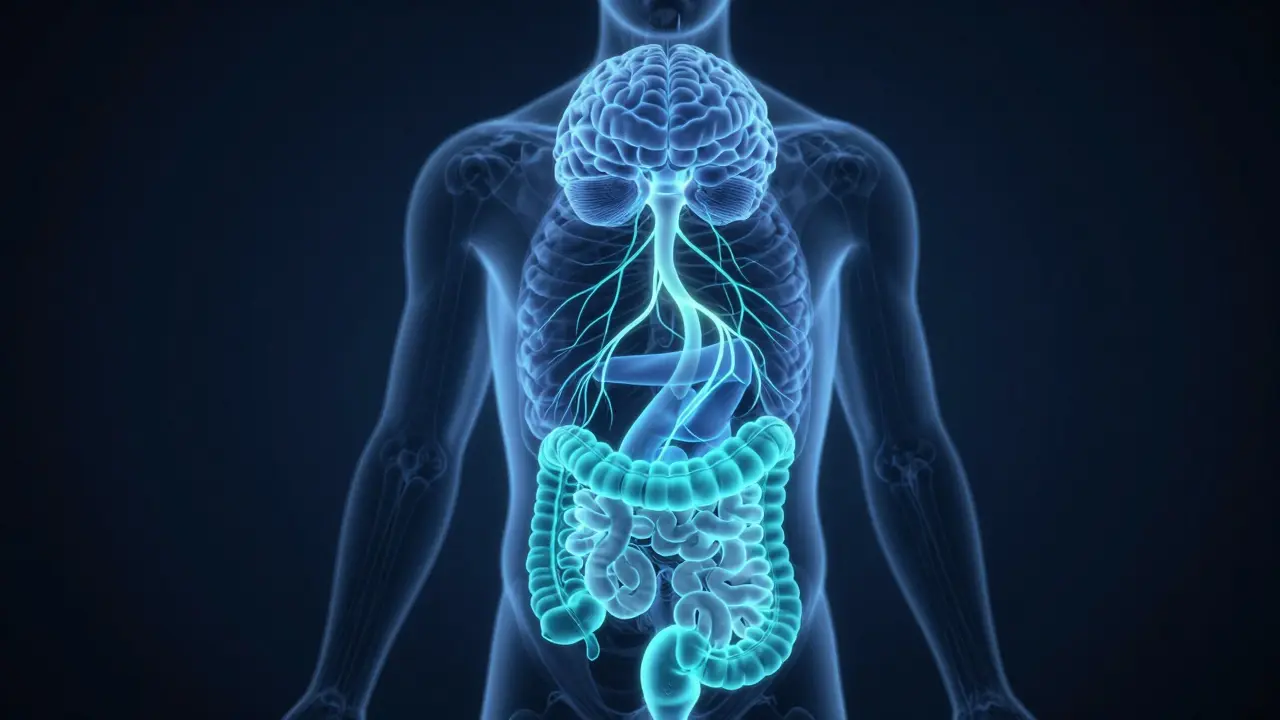
We used to think the stomach was just for digestion-a passive tube where food gets broken down. Today, we know better. The gut is often called the "second brain" because it houses over 100 million neurons. These cells don’t just manage peristalsis; they produce neurotransmitters that dictate how you feel. When your gut is inflamed or unbalanced, your mood pays the price. This isn't woo-woo wellness talk; it's hard biology involving the vagus nerve, which acts as a direct information superhighway between your intestines and your brain stem.
Key Takeaways
- The Gut-Brain Axis: A bidirectional communication network linking your emotional centers with intestinal functions.
- Neurotransmitter Production: Approximately 95% of your body’s serotonin (the happiness chemical) is produced in the gut, not the brain.
- Microbiome Impact: Specific bacteria strains like Lactobacillus and Bifidobacterium can reduce cortisol levels and alleviate anxiety symptoms.
- Dietary Leverage: You don’t need expensive supplements; fiber-rich foods and fermented products are the most effective tools for improving gut diversity.
- Inflammation Link: Chronic low-grade inflammation from poor gut health is a primary driver of depression and cognitive decline.
The Biology Behind the Feeling
To understand why your mood fluctuates with your diet, you have to look at the gut-brain axis. This is the complex, bidirectional link between your central nervous system and the enteric nervous system (your gut). It’s not just one-way traffic. Your brain sends signals to your gut (think about how you get "butterflies" before a big presentation), but your gut also sends massive amounts of data back up.
The main messenger here is the vagus nerve. If you’ve ever heard of polyvagal theory, this is the hardware behind it. But the vagus nerve doesn’t work alone. It’s supported by immune cells and hormones. When your gut lining becomes permeable-often referred to as "leaky gut"-bacterial endotoxins like lipopolysaccharides (LPS) can slip into the bloodstream. This triggers an immune response. Your body releases cytokines, inflammatory proteins that travel to the brain. Once there, they interfere with neurotransmitter function, leading to feelings of sadness, fatigue, and brain fog.
Consider this: chronic inflammation is now recognized as a key factor in major depressive disorder. It’s not just in your head; it’s in your blood, originating from your digestive tract. By fixing the gut barrier, you aren’t just helping digestion; you’re lowering the inflammatory load on your brain.
Why Serotonin Matters More Than You Think
Most people associate serotonin with the brain. We take SSRIs (Selective Serotonin Reuptake Inhibitors) to boost serotonin levels in the brain to treat depression. But here’s the surprising part: only about 5% of your body’s serotonin is found in the brain. The other 95% resides in the gut.
This gut-derived serotonin doesn’t cross the blood-brain barrier directly. So, how does it affect your mood? It regulates gut motility and influences the vagus nerve. When gut bacteria stimulate enterochromaffin cells to release serotonin, it sends calming signals up the vagus nerve to the brain. If your gut microbiome is diverse and healthy, this signaling is smooth. If your microbiome is depleted-perhaps due to antibiotics, high sugar intake, or chronic stress-the production of these precursors drops.
It’s a supply chain issue. Your brain needs raw materials to make its own neurotransmitters. Tryptophan, an amino acid found in protein-rich foods, is the precursor to serotonin. However, tryptophan competes with other amino acids to cross into the brain. Healthy gut bacteria help regulate this competition. Without them, less tryptophan reaches the brain, and serotonin synthesis slows down. This biological bottleneck explains why dietary changes can sometimes be as effective as medication for mild to moderate mood disorders.
The Microbiome: Your Internal Ecosystem
Your gut contains trillions of bacteria, viruses, and fungi. Collectively, this is your microbiome. Think of it like a rainforest. A healthy rainforest has high biodiversity; many different species interacting in balance. A monoculture farm has only one type of crop, making it vulnerable to pests and disease.
Many modern diets create a microbial monoculture. High-sugar, low-fiber diets starve beneficial bacteria while feeding harmful ones. Two key genera of bacteria are crucial for mental health: Lactobacillus and Bifidobacterium. Studies have shown that these specific strains can modulate the body’s stress response. For instance, research published in *Psychopharmacology* demonstrated that mice given Lactobacillus rhamnosus showed reduced anxiety-like behavior compared to controls. While human studies are still evolving, the correlation is strong enough that psychiatrists are beginning to prescribe "psychobiotics"-probiotics specifically chosen for their mental health benefits.
But probiotics aren’t magic pills. They need fuel. That fuel is prebiotic fiber. Prebiotics are non-digestible fibers that feed the good bacteria. When these bacteria ferment prebiotics, they produce short-chain fatty acids (SCFAs), particularly butyrate. Butyrate is a powerhouse molecule. It strengthens the gut lining, reduces inflammation, and even crosses the blood-brain barrier to support brain cell health. Without enough fiber, your good bacteria die off, and SCFA production plummets.
| Gut Factor | Function | Effect on Mood |
|---|---|---|
| Serotonin | Regulates gut motility & signaling | Promotes calmness; deficiency linked to depression |
| Short-Chain Fatty Acids (SCFAs) | Fuel for colon cells, anti-inflammatory | Reduces brain inflammation; supports neuroplasticity |
| Cortisol Sensitivity | Stress hormone regulation | Healthy gut lowers baseline cortisol; dysbiosis raises it |
| Vagus Nerve Activity | Signal transmission between gut & brain | High activity correlates with lower anxiety and better resilience |
What to Eat for a Happier Brain
If you want to improve your mood through your gut, you don’t need a complicated regimen. You need consistency. The goal is to increase microbial diversity. Here is how to do it practically.
1. Prioritize Fermented Foods
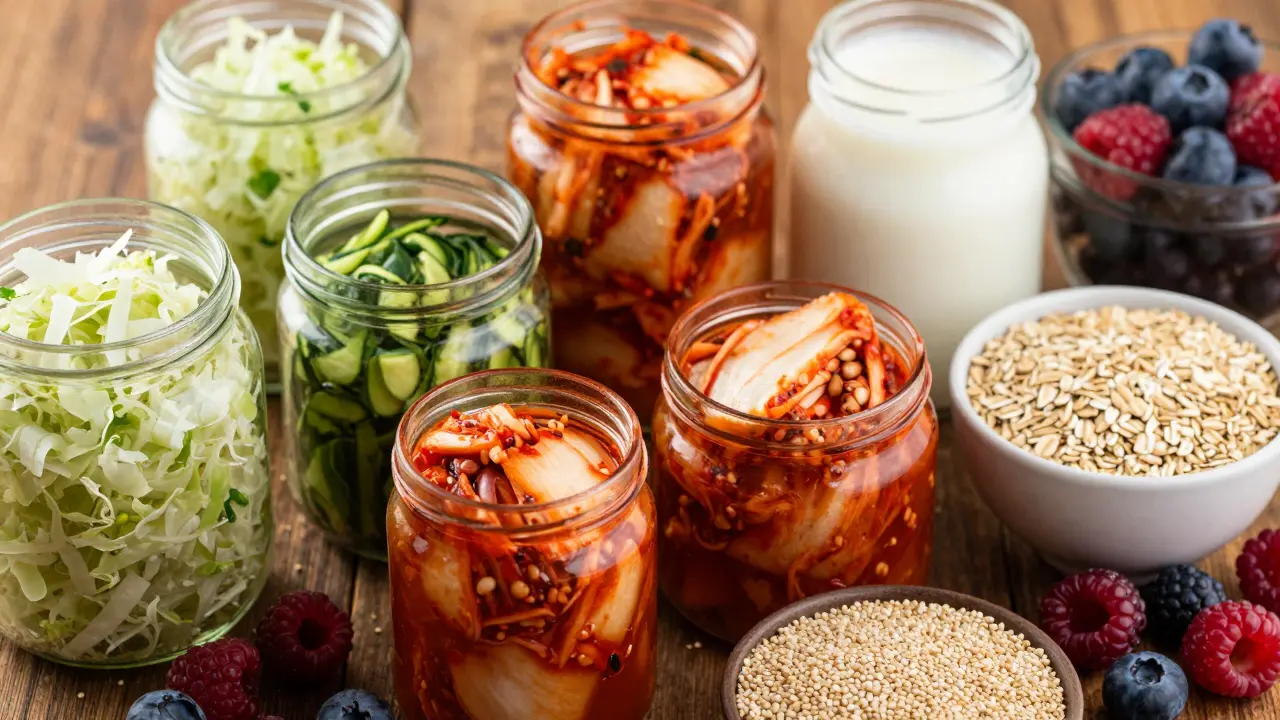
Fermentation is nature’s way of preserving food and boosting its bacterial content. Incorporate one serving of fermented food daily. Sauerkraut, kimchi, kefir, yogurt (with live cultures), and kombucha are excellent choices. Kimchi, for example, is rich in Lactobacillus kimchii, which has been studied for its potential to reduce social stress responses. Just ensure the product hasn’t been pasteurized after fermentation, as heat kills the beneficial bacteria.
2. Eat the Rainbow of Fiber
Different bacteria thrive on different types of fiber. To feed a diverse microbiome, you need variety. Aim for 30g of fiber a day. This includes soluble fiber (oats, apples, beans) and insoluble fiber (whole grains, vegetables). Resistant starch is particularly potent. You can get this from cooled potatoes, green bananas, or legumes. When potatoes cool, the starch structure changes, becoming resistant to digestion and acting as a prebiotic.
3. Reduce Ultra-Processed Foods
Emulsifiers and artificial sweeteners found in processed snacks can disrupt the mucus layer of the gut lining. This allows bacteria to come into closer contact with the intestinal wall, triggering inflammation. Reading labels matters. If you see long lists of unpronounceable ingredients, your gut bacteria likely won’t thank you.
4. Don’t Forget Polyphenols
Polyphenols are plant compounds that act as antioxidants and prebiotics. Dark chocolate (70% cocoa or higher), blueberries, green tea, and olive oil are rich sources. They help maintain the integrity of the gut barrier and promote the growth of beneficial bacteria like Akkermansia muciniphila, which is associated with metabolic health and reduced inflammation.

Lifestyle Factors Beyond Food
Diet is only half the equation. Your lifestyle choices directly impact your gut environment. Stress is a major culprit. When you are stressed, your body enters "fight or flight" mode. Digestion is paused because it’s not essential for immediate survival. Blood flow is diverted away from the gut. Over time, chronic stress alters the composition of your microbiome, reducing diversity and increasing the presence of pro-inflammatory bacteria.
Sleep is equally critical. Your gut bacteria follow a circadian rhythm. Eating late at night disrupts this cycle. Research suggests that irregular eating patterns can lead to dysbiosis, which in turn affects sleep quality, creating a vicious cycle. Try to eat your last meal at least three hours before bed. This gives your gut time to clean itself-a process known as the migrating motor complex-which helps prevent bacterial overgrowth.
Exercise also plays a role. Moderate aerobic exercise increases the diversity of gut microbes. It doesn’t have to be intense; a brisk 30-minute walk can shift the ratio of beneficial bacteria upward. The key is regularity. Sedentary lifestyles are linked to lower levels of butyrate-producing bacteria.
When to Seek Professional Help
While dietary changes can significantly improve mood, they are not a cure-all for clinical depression or anxiety disorders. If you are experiencing persistent feelings of hopelessness, panic attacks, or severe anxiety, consult a healthcare provider. The gut-brain connection is a piece of the puzzle, not the whole picture. Therapy, medication, and lifestyle changes often work best together.
Be wary of quick fixes. The supplement market is flooded with probiotic claims that lack scientific backing. Look for strains that have been clinically tested for mental health outcomes, such as Lactobacillus helveticus R0052 and Bifidobacterium longum R0175. Even then, view them as adjuncts to a healthy diet, not replacements.
How long does it take to feel mood improvements from gut health changes?
Most people notice subtle changes in energy and digestion within 2-4 weeks. Significant shifts in mood and anxiety levels typically take 8-12 weeks of consistent dietary and lifestyle changes. The gut microbiome is resilient but slow to change permanently.
Can antibiotics ruin my gut health forever?
Antibiotics can cause significant, temporary disruption to your microbiome. While most people recover within a few months, some bacterial strains may never return to pre-antibiotic levels. Supporting recovery with high-fiber foods, fermented products, and potentially targeted probiotics is crucial during and after antibiotic treatment.
Is coffee bad for gut health and mood?
Coffee is complex. It contains polyphenols that benefit gut bacteria, but it can also increase acidity and anxiety in sensitive individuals. Moderate consumption (1-2 cups) is generally fine for most people. If you experience jitters or digestive distress, consider switching to green tea, which offers similar antioxidant benefits with less caffeine.
Do I need a specific probiotic for anxiety?
Not necessarily. While specific psychobiotic strains show promise, a diverse diet is more important than any single supplement. Focus on getting a wide range of fibers and fermented foods first. If you choose a supplement, look for multi-strain formulas containing Lactobacillus and Bifidobacterium species.
What is the best breakfast for gut-brain health?
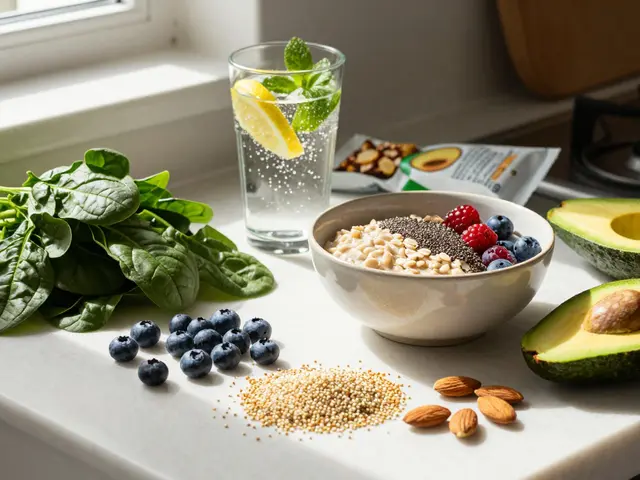
Aim for a combination of protein, fiber, and healthy fats. Examples include oatmeal with berries and chia seeds, Greek yogurt with walnuts and flaxseeds, or scrambled eggs with spinach and avocado. Avoid sugary cereals or pastries, which spike blood sugar and feed harmful bacteria.