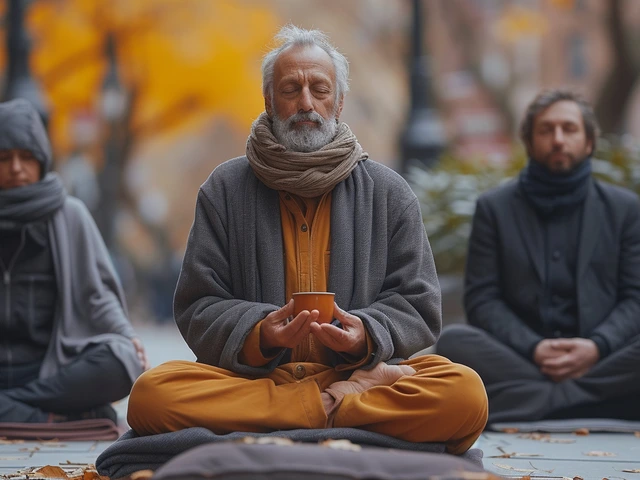

Something is shifting in how we heal. For decades, the standard model for mental health care relied heavily on talk therapy and medication. While those tools remain vital, a growing number of people are finding that words alone aren't enough to process trauma, anxiety, or depression. Enter Creative Arts Therapies, a group of evidence-based practices that use artistic expression as a primary tool for psychological healing. In 2026, this field isn't just a niche alternative; it's becoming a mainstream component of holistic health care across hospitals, schools, and private practices worldwide.
You might wonder why painting, playing music, or acting out scenes could possibly treat clinical conditions. The answer lies in neuroscience. When you experience trauma or intense emotion, the verbal centers of your brain can sometimes shut down or become overwhelmed. Art bypasses this blockage. It accesses the sensory and emotional parts of the brain directly, allowing you to process experiences that are too difficult to articulate. This is why creative arts therapies are seeing such a surge in popularity-they offer a pathway to healing where traditional methods hit a wall.
The Core Modalities of Expressive Therapy
When people say "creative arts therapy," they often think of one thing, but it’s actually an umbrella term covering several distinct disciplines. Each modality uses a different medium to unlock insight and relief. Understanding these differences helps you choose the right approach for your specific needs.
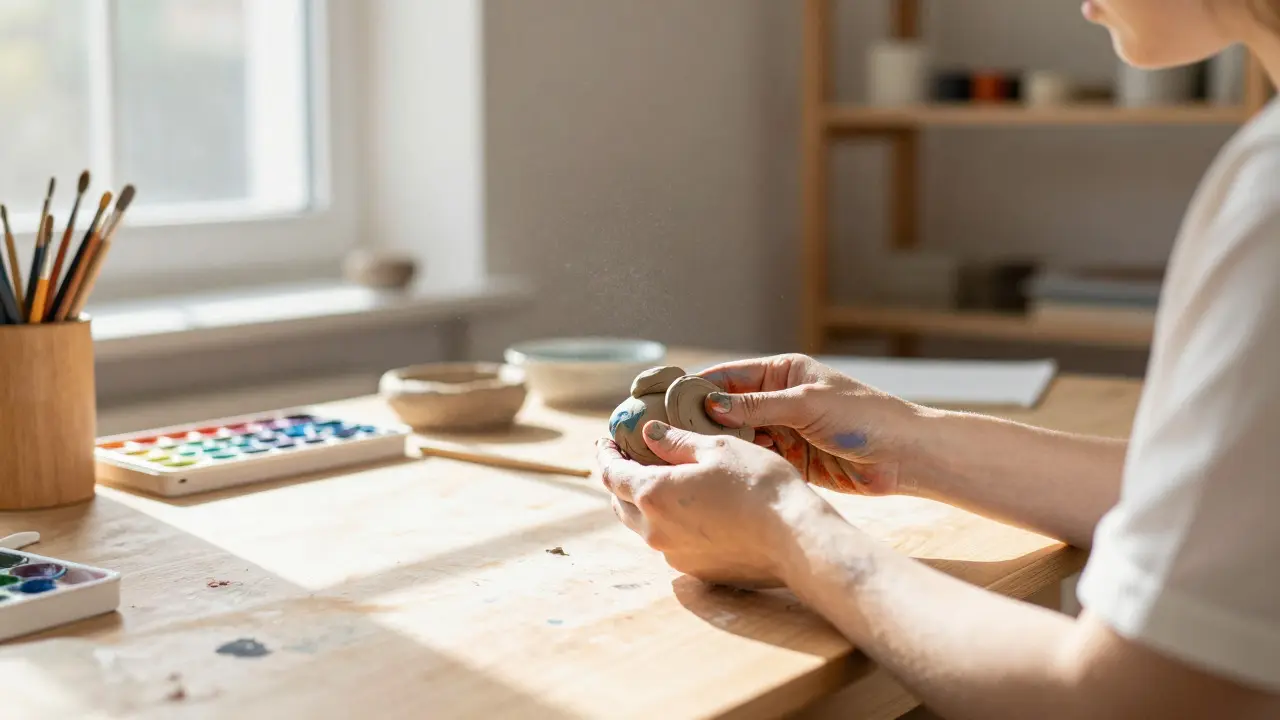
Art Therapy involves creating visual art-painting, drawing, sculpting-to explore emotions. You don’t need to be a skilled artist. In fact, the lack of technical skill is often beneficial because it removes the pressure to produce something "good." The focus is on the process, not the product. A client might use clay to physically shape their anger or watercolors to map out feelings of sadness. The resulting artwork becomes a tangible object that the therapist and client can discuss, making abstract feelings concrete and manageable.
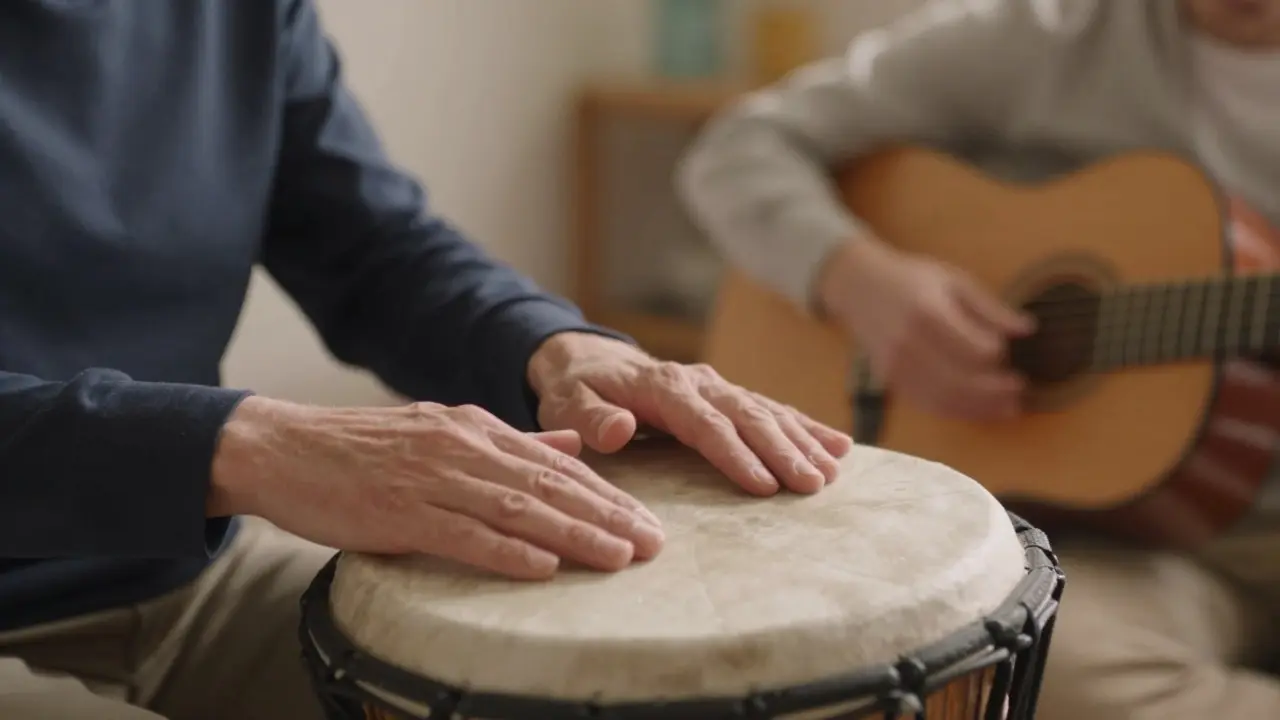
Music Therapy uses sound, rhythm, and melody to address physical, emotional, cognitive, and social needs. This isn't just listening to a playlist. Certified music therapists might use instruments like drums or guitars to help clients regulate their nervous system. Rhythm can synchronize with heart rate and breathing, inducing calm. Songwriting allows individuals to narrate their stories in a structured, safe way. Research has shown that music therapy is particularly effective for patients with dementia, autism spectrum disorder, and post-traumatic stress disorder (PTSD).
Drama Therapy utilizes role-playing, storytelling, and improvisation. By stepping into a character or reenacting a scenario, clients can gain distance from their own pain. This perspective shift allows them to experiment with new behaviors and solutions in a low-stakes environment. If you struggle with assertiveness, drama therapy lets you practice saying "no" through a fictional persona before trying it in real life. It builds empathy and social skills while processing personal narratives.
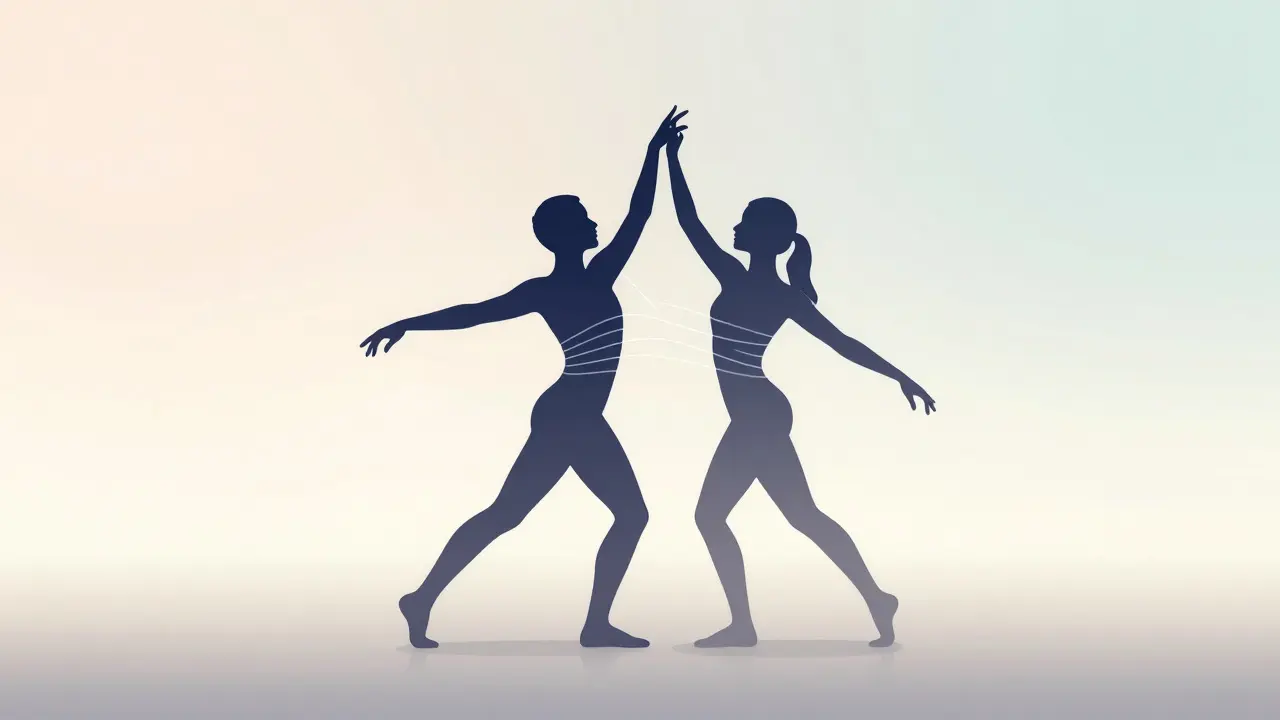
Dance/Movement Therapy connects the mind and body through movement. Trauma is often stored in the body as tension or dissociation. Dance/movement therapy helps release this stored energy. A therapist might guide you through grounding exercises or mirror your movements to build rapport and self-awareness. This modality is powerful for those who feel disconnected from their physical selves or have experienced physical trauma.
| Modality | Primary Medium | Best For | Key Benefit |
|---|---|---|---|
| Art Therapy | Visuals (Paint, Clay) | Trauma, Anxiety | Externalizing internal states |
| Music Therapy | Sound, Rhythm | Dementia, Autism, Mood Regulation | Nervous system regulation |
| Drama Therapy | Role-play, Story | Social Skills, Identity Issues | Perspective shifting |
| Dance/Movement | Body Movement | Somatic Trauma, Dissociation | Mind-body integration |
Why the Surge in 2026?
The rise of creative arts therapies isn't accidental. Several cultural and scientific shifts have converged to make these practices more accessible and accepted than ever before. First, there is a broader societal move away from purely biomedical models of health. People are increasingly interested in holistic approaches that treat the whole person-mind, body, and spirit-rather than just suppressing symptoms.
Second, neuroscience has provided robust backing for what artists and therapists have known for centuries. Studies using fMRI scans show that engaging in creative activities activates the brain's reward system, releasing dopamine and reducing cortisol levels. We now understand that creativity is not a luxury; it is a biological necessity for resilience. As these studies gain visibility in medical journals, insurance providers and healthcare institutions are beginning to cover these therapies more frequently.
Third, the digital age has created a paradox: we are more connected than ever, yet loneliness and burnout are at record highs. Traditional therapy, while helpful, can feel clinical and detached. Creative arts therapies offer a human, tactile connection. Holding a brush, feeling the vibration of a drum, or moving your body provides a sensory anchor in a world dominated by screens. This tactile engagement is deeply soothing for many people suffering from digital fatigue.
Evidence-Based Benefits
If you're skeptical about whether "making art" can truly treat mental illness, look at the data. Creative arts therapies are recognized by major health organizations, including the World Health Organization (WHO) and the American Psychological Association. Here are some of the most well-documented benefits:
- Trauma Recovery: For survivors of PTSD, talking about the event can re-traumatize them. Art and music allow for non-verbal processing, helping to integrate traumatic memories without overwhelming the verbal cortex.
- Anxiety Reduction: Engaging in flow states during creative work lowers physiological arousal. Heart rate variability improves, and stress hormones drop. This is why mindfulness-based art programs are common in corporate wellness initiatives.
- Cognitive Decline Management: Music therapy is particularly potent for Alzheimer's and dementia patients. Familiar songs can trigger memories and improve mood even when verbal communication is lost. It preserves identity and connection longer than other interventions.
- Emotional Regulation: Children and adults with ADHD or autism often struggle to identify and express emotions. Creative arts provide a structured outlet for these feelings, improving behavioral outcomes and social interaction.
A landmark study published in 2019 by the WHO reviewed over 3,000 pieces of evidence and concluded that participation in the arts has a positive impact on mental and physical well-being across all ages. Since then, the volume of research has only grown, solidifying the place of these therapies in modern medicine.
How to Find a Qualified Practitioner
Not everyone who teaches art classes is a therapist. This distinction is crucial. A qualified creative arts therapist holds a master's degree in their specific modality and is licensed or certified by a professional board. They undergo rigorous training in psychology, ethics, and clinical practice, in addition to their artistic discipline.
When looking for a provider, check for credentials. In the United States, look for registrations like ATR-BC (Art Therapist Registered Board Certified) or MT-BC (Music Therapist Board Certified). In other countries, similar national boards exist. Ask potential therapists about their approach. Do they integrate creative arts with other therapeutic models? What is their experience with your specific issue? A good therapist will explain how the creative process fits into your overall treatment plan.
Insurance coverage is also expanding. Many major insurers now recognize creative arts therapies as covered benefits, especially when referred by a physician or psychiatrist. However, policies vary widely. Call your provider to ask specifically about "expressive arts therapy" or the specific modality you're interested in. Some employers offer Employee Assistance Programs (EAPs) that include sessions with these specialists.
Common Misconceptions Debunked
Despite the growth, myths persist. Let's clear up a few common misunderstandings so you can approach these therapies with realistic expectations.
"I'm not creative, so this won't work for me." This is the biggest barrier. But remember, therapy is not about producing a masterpiece. It's about expression. If you've never painted before, that's fine. The therapist guides you through exercises designed for beginners. The value is in the act of creation, not the aesthetic quality of the result.
"It's just playtime." While it may look like fun, it is structured clinical work. Therapists use specific techniques to elicit responses, interpret symbolism (with caution and collaboration), and facilitate breakthroughs. It requires active participation and vulnerability, just like talk therapy.
"It replaces medication." For many, it complements medication rather than replacing it. Creative arts therapies are often used as part of a multimodal treatment plan. Always consult your prescribing doctor before making changes to your medication regimen.
Getting Started: What to Expect
Your first session will likely involve an intake interview, similar to traditional therapy. The therapist will ask about your history, goals, and preferences. They might ask if you have any prior experience with art, music, or movement. There is no pressure to perform.
In subsequent sessions, the therapist might suggest a specific activity. For example, they might ask you to draw a safe place or improvise a rhythm that matches your current mood. Afterward, you'll discuss the experience. How did it feel? What came up? The therapist helps you connect the dots between the creative process and your daily life. Over time, you develop new coping strategies and insights that extend beyond the therapy room.
Whether you're dealing with acute crisis or simply seeking personal growth, creative arts therapies offer a unique, powerful path forward. They remind us that healing is not just about thinking differently; it's about feeling, creating, and connecting in ways that honor our full humanity.
Is creative arts therapy covered by insurance?
Coverage varies by provider and location. In 2026, many major insurers in North America and Europe cover creative arts therapies, especially if prescribed by a physician. Check with your specific plan and look for providers who are in-network. Some plans require a diagnosis of a mental health condition for coverage.
Do I need to be talented to benefit from art therapy?
No. Art therapy is process-oriented, not product-oriented. No artistic skill is required. The focus is on self-expression and exploration, not creating a beautiful piece of art. Most clients find that removing the pressure to be "good" makes the experience more liberating.
What is the difference between a creative arts therapist and an art teacher?
A creative arts therapist holds a master's degree in therapy and is licensed or certified to treat mental health conditions. An art teacher focuses on teaching technical skills and aesthetics. While both are valuable, only a therapist is trained to handle clinical issues, trauma, and psychological dynamics.
Can creative arts therapy help with physical pain?
Yes. Music therapy and dance/movement therapy are often used in hospitals to manage chronic pain. Distraction, relaxation, and endorphin release induced by creative activities can reduce the perception of pain. It is often used alongside medical treatments for cancer, fibromyalgia, and arthritis.
How long does it take to see results?
Results vary depending on the individual and their goals. Some people feel immediate relief after a single session due to the calming nature of the activities. For deeper issues like trauma or long-standing anxiety, consistent weekly sessions over several months are typically needed to see significant, lasting change.