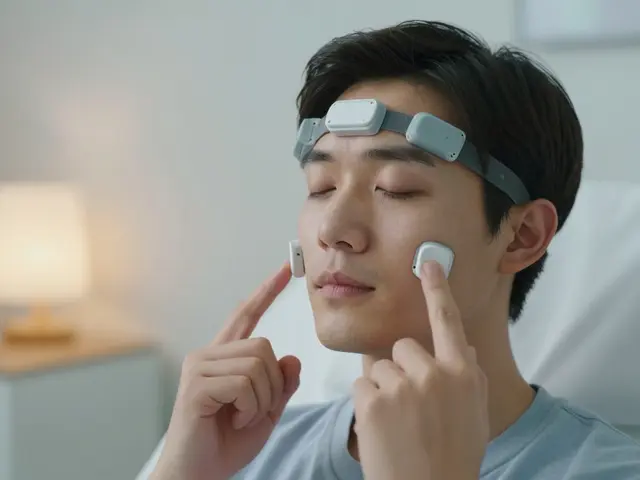

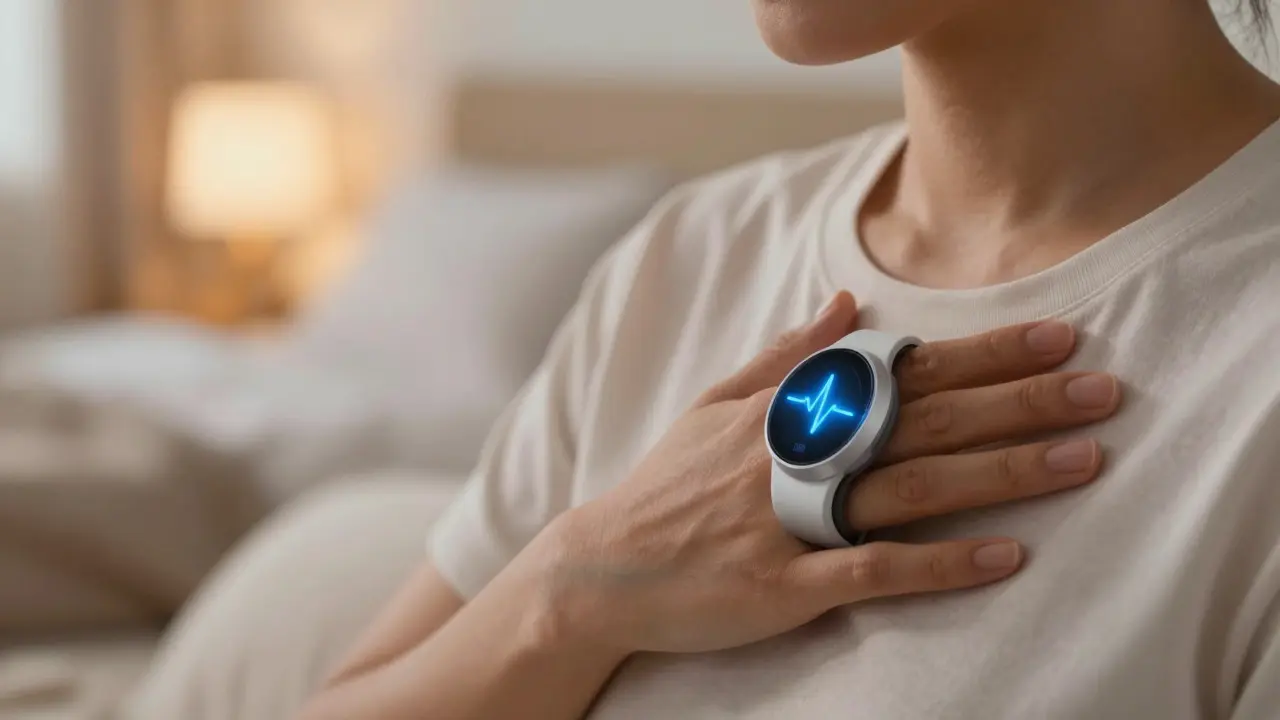
Imagine seeing your own heart rate spike in real-time just because you're thinking about a difficult conversation. That is the core promise of Biofeedback is a non-invasive technique that uses electronic sensors to monitor physiological processes like heart rate, muscle tension, and skin temperature, allowing users to learn voluntary control over these functions. Unlike meditation, which relies on internal focus, biofeedback gives you external data. You see the numbers change as you breathe or relax. This visual feedback loop turns abstract feelings into concrete actions, making it one of the most effective tools for managing Chronic Stress and physical symptoms that don't respond well to medication alone.
You might wonder why this matters if you already know how to take a deep breath. The difference lies in precision. When you feel anxious, your body reacts automatically. Biofeedback strips away the guesswork. It shows you exactly what your nervous system is doing. By watching the screen, you can test different relaxation techniques and see instantly which ones lower your Heart Rate Variability (HRV) or reduce muscle tension in your jaw. This immediate cause-and-effect relationship accelerates learning far faster than trial and error in silence.
How Biofeedback Actually Works
The process starts with sensors attached to your body. These are usually small, adhesive electrodes placed on your chest, fingers, or forehead. They detect electrical signals from your muscles or changes in blood flow. A computer or tablet translates these signals into graphs, numbers, or even games. If your breathing becomes shallow, the graph spikes. If you tense your shoulders, a bar rises. Your goal is simple: manipulate your thoughts and behaviors to make those indicators move in the desired direction.
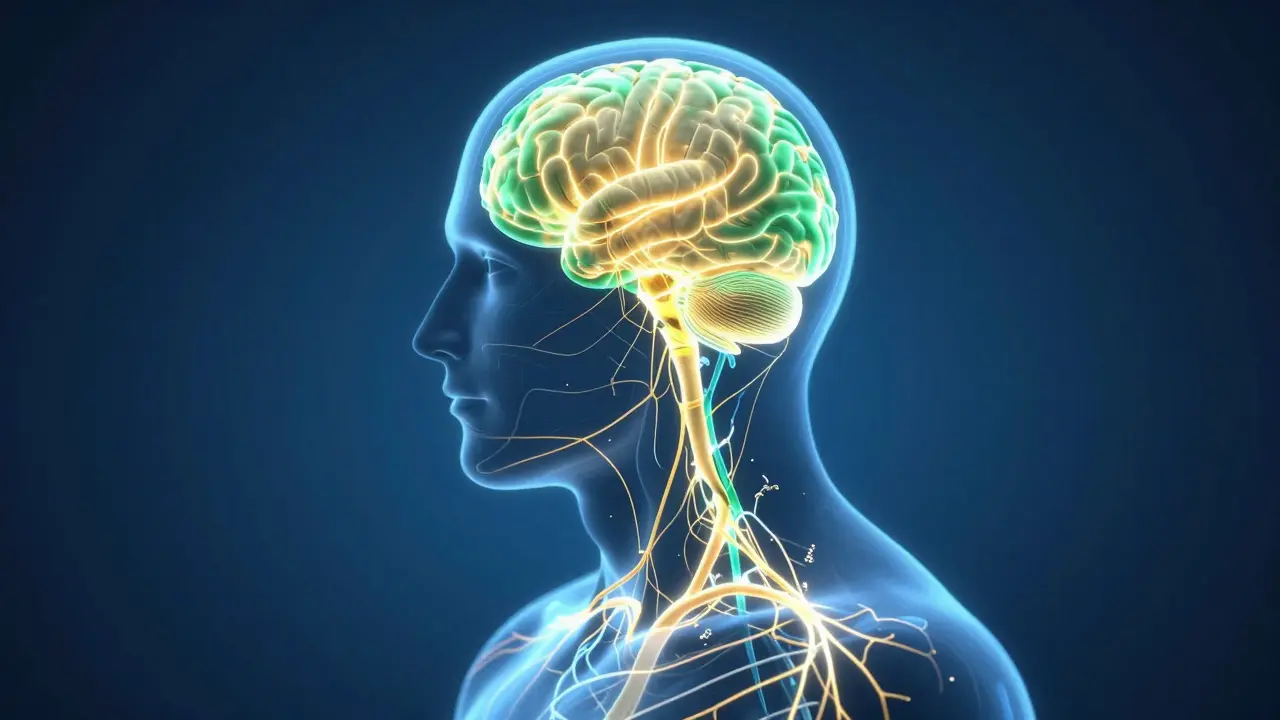
This isn't magic; it's neuroscience. Most people believe their autonomic nervous system-the part controlling heartbeat and digestion-is entirely out of their control. Biofeedback proves otherwise. While you can't consciously decide to beat your heart faster, you can influence the signals sent to it. Through repeated practice, your brain learns new patterns. What starts as a conscious effort to lower a number on a screen eventually becomes an automatic response to stress. This is known as neuroplasticity in action.
Key Benefits for Mental Health
The mental health applications of biofeedback are perhaps its strongest suit. For individuals dealing with Generalized Anxiety Disorder (GAD), the technique helps break the cycle of hypervigilance. When you see your heart rate settle down while practicing diaphragmatic breathing, you build confidence that you can handle anxiety waves. This reduces the fear of the feeling itself, which is often more distressing than the initial trigger.
- Anxiety Reduction: Studies show significant decreases in cortisol levels after regular sessions. Users report feeling less "wired" throughout the day.
- Sleep Improvement: By lowering physiological arousal before bed, biofeedback helps transition the brain from alertness to rest. It’s particularly useful for those whose minds race at night.
- Focus Enhancement: Neurofeedback, a specific type of biofeedback, monitors brainwaves. It helps athletes and students identify the brain state associated with peak concentration, allowing them to enter that zone on demand.
For people who find traditional talk therapy helpful but want a tool they can use independently between sessions, biofeedback fills that gap perfectly. It empowers you to be your own therapist during high-stress moments.
Managing Chronic Pain and Physical Symptoms
If you suffer from migraines, tension headaches, or fibromyalgia, you know that pain is rarely just physical. It’s a mix of muscle tension, poor posture, and stress responses. Biofeedback targets all three. Sensors on your trapezius muscles (the large muscles in your upper back and neck) show you when you’re clenching without realizing it. Over time, you learn to release that tension before it builds into a headache.
Research indicates that patients using EMG (electromyography) biofeedback for tension-type headaches experience fewer episodes and reduced pain intensity compared to those using medication alone. The benefit here is twofold: you treat the symptom and remove the underlying trigger. It’s not about ignoring pain; it’s about understanding the body’s alarm system and turning the volume down.
| Type | What It Measures | Best For |
|---|---|---|
| EMG Biofeedback | Muscle Tension | Tension Headaches, Posture Issues, Fibromyalgia |
| HRV Biofeedback | Heart Rate Variability | Anxiety, PTSD, Sleep Disorders, Stress Management |
| Thermal Biofeedback | Peripheral Skin Temperature | Migraines, Raynaud’s Phenomenon, Panic Attacks |
| Neurofeedback | Brainwave Activity (EEG) | ADHD, Trauma, Focus Enhancement, Insomnia |
Is It Worth the Investment?
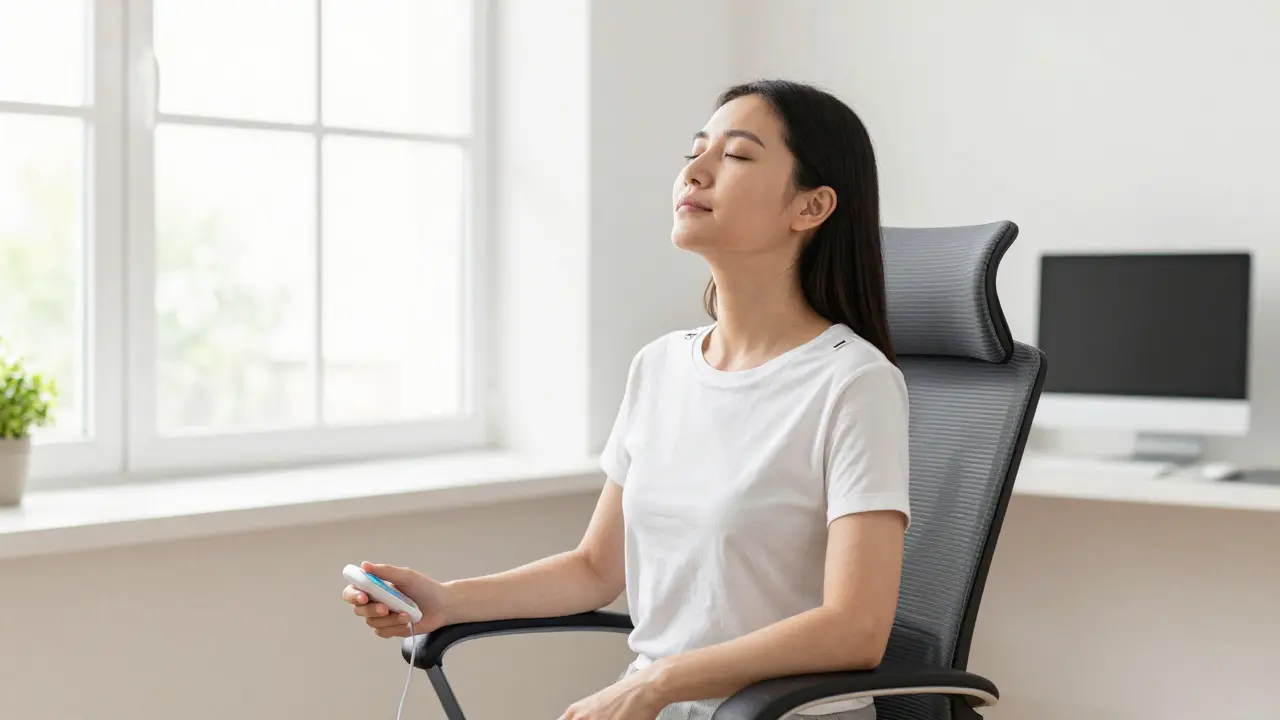
A common question is whether you need an expensive clinic visit or if home devices work. Professional clinics offer comprehensive assessments and guided training, which is ideal for complex conditions like PTSD or severe chronic pain. However, the barrier to entry has dropped significantly. Wearable devices now provide basic HRV and respiration data that can serve as a starting point for self-regulation.
When deciding if it’s right for you, consider your goals. If you want quick, passive relaxation, a massage or spa day might suffice. But if you want long-term resilience and the ability to control your physiological responses under pressure, biofeedback offers skills that last a lifetime. It’s not a cure-all, but it is a powerful skill-set builder. Think of it like going to the gym for your nervous system. You have to put in the reps, but the strength gains stick around.
Getting Started with Biofeedback
Starting doesn’t require buying equipment immediately. Many healthcare providers, including psychologists and physiotherapists, offer biofeedback sessions. Ask specifically for HRV or EMG training. If you prefer a DIY approach, look for apps that integrate with wearable heart rate monitors. Focus on consistency rather than perfection. Even five minutes a day of mindful breathing while watching your heart rate can rewire your stress response over a few weeks.
Remember, the goal isn’t to keep your heart rate low forever. The goal is flexibility. You want your body to be able to ramp up energy when needed and calm down quickly when the threat passes. Biofeedback teaches you to navigate that spectrum with intention, turning your body from a source of confusion into a reliable partner in your health journey.
How many sessions does it take to see results from biofeedback?
Most people notice some improvement in awareness after 3 to 5 sessions. Significant, lasting changes in physiological markers typically occur after 10 to 15 sessions, assuming consistent practice between appointments. Individual results vary based on the condition being treated and personal commitment to daily exercises.
Does biofeedback work for everyone?
While highly effective for many, biofeedback requires a degree of motivation and patience. It may not be suitable for individuals with severe cognitive impairments that prevent them from following instructions, or those who are resistant to any form of structured therapy. It works best when combined with other treatments like cognitive behavioral therapy or medication for severe cases.
What is the difference between biofeedback and neurofeedback?
Biofeedback is the broader term covering all physiological signals (heart rate, muscle tension, temperature). Neurofeedback is a specific subset of biofeedback that focuses exclusively on brainwave activity (EEG). Neurofeedback is used primarily for cognitive issues like ADHD and trauma, while standard biofeedback is better for physical symptoms like pain and general stress.
Can I do biofeedback at home without a doctor?
Yes, especially for basic stress management and sleep improvement. Many consumer-grade wearables provide HRV data that allows for self-guided practice. However, for complex medical conditions, working with a certified biofeedback practitioner is recommended to ensure proper interpretation of data and safe progression.
Are there any side effects of biofeedback?
Side effects are rare and generally mild. Some users experience temporary discomfort from sensor placement or slight dizziness if they hold their breath too long during relaxation exercises. Because it is non-invasive and drug-free, the risk profile is significantly lower than pharmaceutical interventions.