

Quick Takeaways for Your Healing Journey
- Arts therapies treat the whole person, integrating the mind and body.
- You don't need to be "talented" or have any artistic skill to benefit.
- These methods are often used alongside traditional psychiatry for better results.
- They provide a safe way to process trauma that is too painful to put into words.
Breaking the Silence with Art Therapy
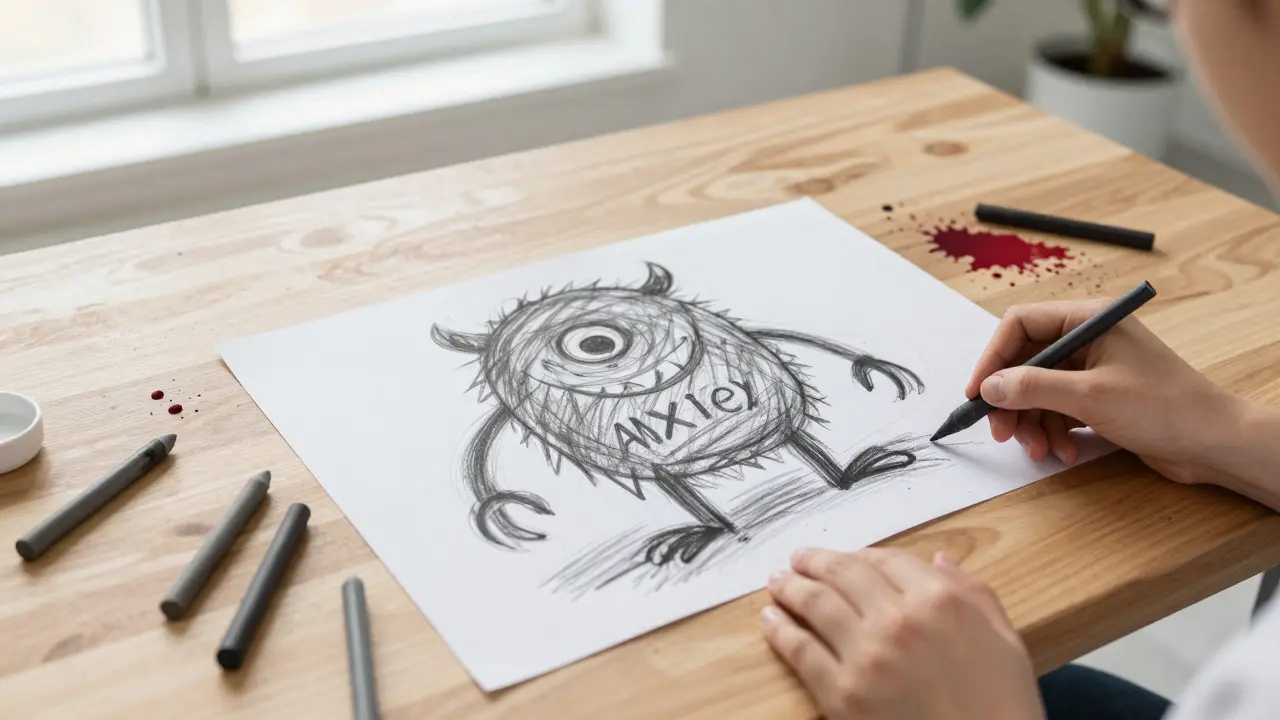
When someone sits in a therapist's office, the pressure to be articulate can be overwhelming. Art Therapy removes that pressure. It is a mental health profession that uses the visual arts process-like drawing, painting, or sculpting-to help people resolve conflicts and communicate feelings. In a clinical setting, a therapist might ask a patient to draw their anxiety as a creature. Suddenly, the anxiety isn't an invisible monster inside the chest; it's a scribble on a piece of paper that can be analyzed, challenged, and eventually changed.
This works because the creative process engages the sensory-motor part of the brain. For a child who has experienced trauma, drawing a picture of their home can reveal details they aren't consciously aware of or are too scared to mention. The focus is on the process, not the product. Whether it's a chaotic collage of magazine clippings or a carefully shaded charcoal sketch, the value lies in the release and the discovery that happens during the act of making.
The Rhythm of Recovery: Music Therapy
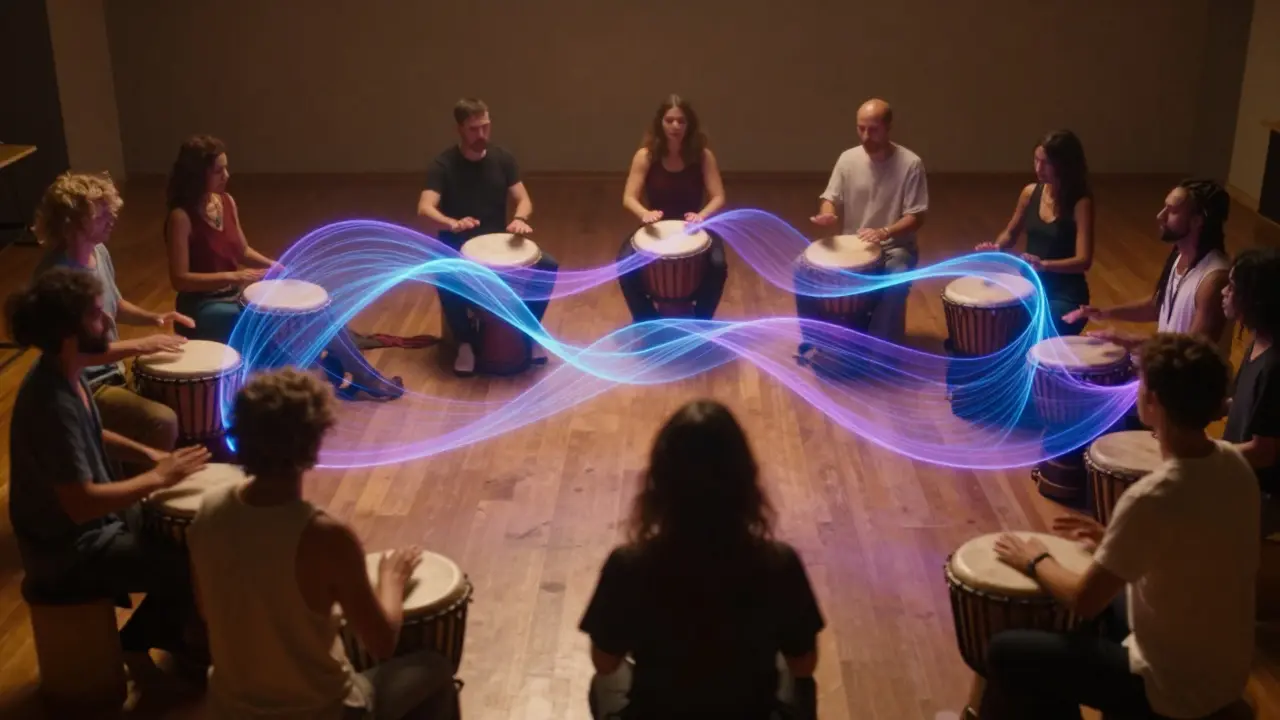
Music Therapy is far more than just listening to a calming playlist. It's an evidence-based clinical intervention where a credentialed therapist uses music to accomplish individualized goals. This can involve active music-making, such as drumming or songwriting, or receptive music, like guided imagery with music. Rhythm and melody have a direct line to the Limbic System, the part of the brain that handles emotions and memory.
Take the case of patients recovering from a stroke. Many suffer from aphasia, losing the ability to speak. However, researchers have found that the singing centers of the brain often remain intact. By singing phrases they can't speak, patients can regain a sense of agency and connection. In mental health clinics, drumming circles are used to treat PTSD, as the rhythmic beat helps ground the individual in the present moment, effectively "tuning out" the noise of a flashback.
Moving Through Trauma: Dance and Movement
Our bodies store stress in ways that our minds often forget. Dance Movement Therapy (DMT) is the psychotherapeutic use of movement to promote the emotional, social, cognitive, and physical integration of the individual. It's based on the idea that the body and mind are inseparable. When you're depressed, your posture slumps; when you're anxious, your muscles tighten. DMT flips this logic by using movement to change the mental state.
In a DMT session, a therapist might encourage a client to move in a way that represents "strength" or "fear." By physically embodying these emotions, the client can process them more effectively. For people with eating disorders or body dysmorphia, this is a powerful tool. It helps them move from viewing their body as a "problem to be fixed" to a vessel for expression and strength. It's about reclaiming a physical presence in the world after years of feeling disconnected.
The Power of the Narrative: Drama Therapy
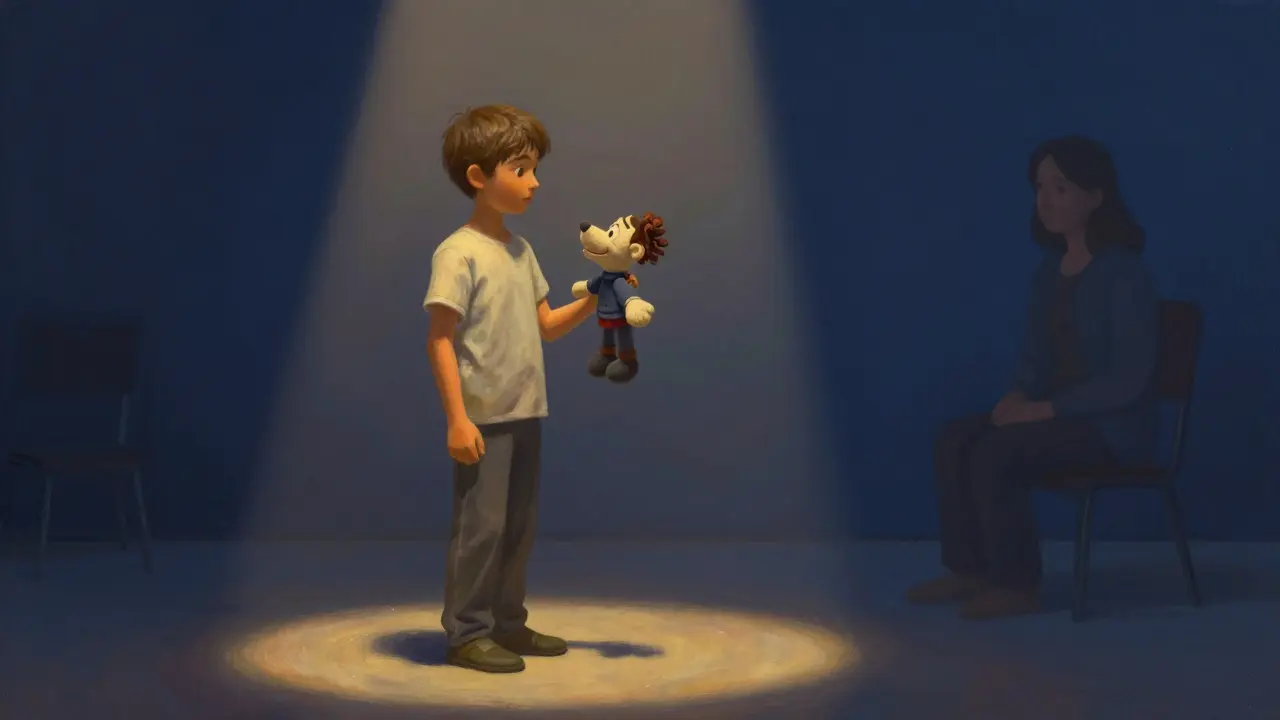
Drama Therapy uses role-play and improvisation to help people explore complex social dynamics and emotional conflicts. It isn't about performing a play for an audience; it's about using the "as-if" quality of theater to test out new ways of being. For example, someone struggling with social anxiety might role-play a difficult conversation with a boss using a puppet or a chair to represent the other person.
This distance, known as aesthetic distance, allows the patient to engage with their trauma without being completely overwhelmed by it. By playing a character, they can explore feelings of anger or grief from a safe vantage point. This technique is particularly effective for adolescents who may find direct questioning intrusive but are happy to experiment within the boundaries of a fictional scenario.
Comparing the Different Arts Modalities
| Therapy Type | Primary Medium | Best For... | Core Mechanism |
|---|---|---|---|
| Art Therapy | Visual Arts (Paint, Clay) | Trauma, non-verbal patients | Externalizing internal images |
| Music Therapy | Sound, Rhythm, Song | Neurological issues, PTSD | Rhythmic brain stimulation |
| Dance Therapy | Body Movement | Eating disorders, depression | Somatic integration |
| Drama Therapy | Role-play, Storytelling | Social anxiety, identity issues | Aesthetic distance / Projection |
Integrating Arts Therapy into Modern Healthcare
The shift toward these therapies is happening because we're realizing that Cognitive Behavioral Therapy (CBT), while effective, relies heavily on the prefrontal cortex-the logical part of the brain. But trauma and deep emotional wounds often live in the primitive brain, where language doesn't exist. By combining arts therapies with traditional medical approaches, we create a "bottom-up" and "top-down" approach to healing.
For instance, a veteran struggling with PTSD might use medication to stabilize their mood (top-down) and use a drumming circle to regulate their nervous system (bottom-up). This dual approach leads to faster recovery times and higher patient satisfaction. Many modern hospitals now include "Arts in Health" programs because they've noticed that patients engaged in creative activities report lower pain levels and shorter hospital stays.
Common Pitfalls and Misconceptions
One of the biggest hurdles is the "I'm not an artist" barrier. People often avoid art therapy because they think they'll be judged on the quality of their drawing. In reality, a a perfectly drawn flower is often less therapeutically valuable than a messy, angry scribble that accurately represents a patient's mood. The goal is expression, not aesthetics.
Another misconception is that these are just "hobbies" and not real medicine. However, the training for a registered art or music therapist is rigorous, involving a master's degree and thousands of hours of clinical supervision. These professionals are trained to spot red flags in a patient's artwork or rhythmic patterns that could indicate a severe mental health crisis, making them vital members of a psychiatric team.
Do I need to be good at art to try art therapy?
Absolutely not. Art therapy is not about creating a masterpiece; it is about using art as a tool for communication. The therapist is interested in your process-how you use colors, the pressure you apply to the page, and the feelings that emerge-not your technical skill.
How is music therapy different from just listening to music?
Listening to music for relaxation is a great self-care tool, but music therapy is a clinical process. It is led by a professional who uses specific musical interventions-like altering tempo, key, or rhythm-to reach specific goals, such as improving motor skills or reducing clinical anxiety.
Can creative arts therapies replace traditional medication?
Generally, they are used as complementary treatments. While arts therapies can significantly reduce symptoms of stress and depression, they are usually most effective when integrated into a comprehensive treatment plan that may include medication and talk therapy.
Which therapy is best for children with autism?
Many children with autism respond exceptionally well to music therapy and art therapy because these mediums provide a non-verbal way to express needs and emotions. Rhythm-based activities can also help with social interaction and sensory regulation.
How long does it take to see results from arts therapy?
Results vary. Some people feel an immediate sense of relief (catharsis) after a single session of drumming or painting. However, deeper emotional healing and behavior change typically happen over several months of consistent work with a therapist.
Next Steps for Those Interested
If you're looking to explore these options, start by searching for "board-certified" therapists in your area to ensure you're getting clinical care and not just a recreational class. If you're a parent, look for programs that offer a "multimodal" approach, meaning they combine different arts to see what resonates best with your child.
For those who can't access a professional therapist immediately, you can start a "therapeutic journaling" practice at home. Try combining writing with sketching or collage. While this isn't a replacement for professional therapy, it can help you identify patterns in your mood and prepare you for the conversations you'll eventually have with a provider.