

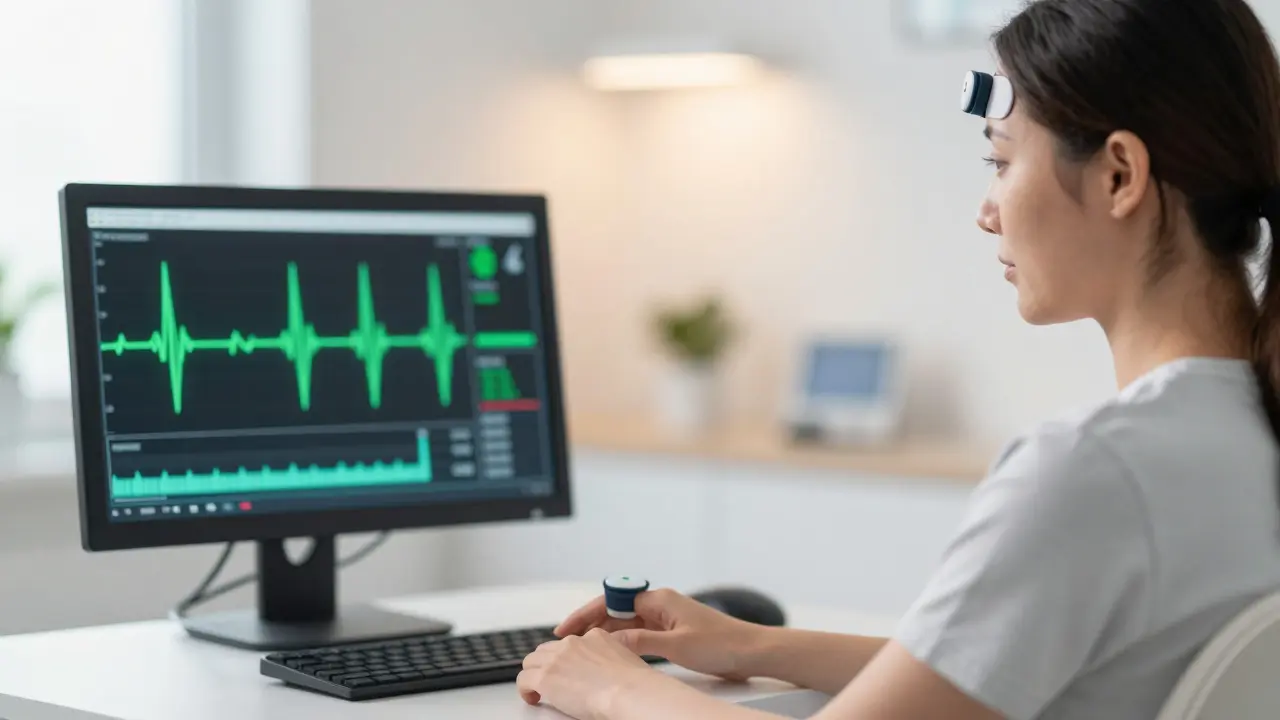
Imagine being able to control your blood pressure simply by relaxing. Or stopping a migraine before it even starts because you noticed your fingers getting cold. This isn’t science fiction. It’s Biofeedback, a therapeutic technique that teaches people how to control involuntary bodily functions like heart rate, muscle tension, and skin temperature through real-time monitoring. For decades, this practice sat on the sidelines of healthcare. Today, it is moving center stage, reshaping how doctors treat everything from anxiety to chronic pain.
We used to think our autonomic nervous system-the part that controls breathing, digestion, and heartbeat-was entirely automatic. You couldn’t just "will" your heart to beat slower. But biofeedback proves otherwise. By using sensors to show you what’s happening inside your body, it turns invisible physiological processes into visible data. Once you can see them, you can learn to influence them. This shift from passive patient to active participant is changing medical outcomes faster than many realized.
The Science Behind the Shift
To understand why biofeedback is gaining traction, you have to look at the mechanism. It relies on Operant Conditioning, a learning process where behavior is modified by rewards or consequences. In this context, the "reward" is seeing a calm line on a monitor or hearing a soothing tone when your body relaxes. Over time, your brain learns to associate specific mental states with those physical responses.
There are several types of biofeedback, each targeting different systems:
- EMG Biofeedback: Measures muscle activity. Great for tension headaches and back pain.
- Thermal Biofeedback: Monitors skin temperature. Useful for Raynaud’s disease and migraines.
- HRV Biofeedback: Tracks Heart Rate Variability. The gold standard for stress and anxiety management.
- EEG Biofeedback (Neurofeedback): Measures brain waves. Used for ADHD, insomnia, and PTSD.
The key difference between biofeedback and meditation is feedback. Meditation asks you to trust your intuition. Biofeedback gives you hard data. If you’re trying to lower your stress levels but don’t know if you’re succeeding, biofeedback tells you immediately. That immediacy accelerates learning.
From Niche Therapy to Mainstream Medicine
In the 1970s, biofeedback was often dismissed as fringe. Today, major medical organizations recognize its efficacy. The American Psychological Association includes it in their clinical guidelines for treating hypertension and headache disorders. Insurance companies, once hesitant, now cover sessions for specific conditions. This legitimacy comes from rigorous research showing measurable results.
Consider high blood pressure. Standard treatment involves medication that forces the body to change. Biofeedback offers an alternative: teaching the body to regulate itself. Studies show that patients who use HRV biofeedback alongside traditional care often require lower doses of medication. They aren’t just managing symptoms; they’re addressing the root cause-chronic sympathetic nervous system activation.
This integration is particularly powerful in Integrative Medicine, an approach that combines conventional medical treatments with evidence-based complementary therapies. Doctors no longer view biofeedback as "either/or." It’s "and." It complements pharmaceuticals, surgery, and physical therapy, creating a more holistic treatment plan.
Tackling Chronic Pain Without Pills
One of the most significant impacts of biofeedback is in pain management. With the opioid crisis still casting a long shadow, clinicians are desperate for non-pharmacological solutions. Biofeedback provides exactly that. Chronic pain often involves a cycle: pain causes muscle tension, which causes more pain. EMG biofeedback breaks this cycle by helping patients identify and release unconscious muscle tightness.
I’ve seen patients with fibromyalgia struggle for years until they tried thermal biofeedback. By focusing on warming their hands, they learned to dilate blood vessels and reduce inflammation locally. It wasn’t magic. It was physiology. They learned to trigger the parasympathetic response-the "rest and digest" mode-which naturally lowers pain perception.
Migraine sufferers also benefit enormously. Before a migraine hits, blood vessels in the head constrict, causing fingers to drop in temperature. Thermal biofeedback alerts patients to this drop. By practicing relaxation techniques when they notice the change, they can abort the migraine before the headache phase begins. This proactive approach transforms quality of life.

Mental Health and the Nervous System
Anxiety and depression are not just "in the head." They manifest physically. Rapid heartbeat, shallow breathing, and sweaty palms are all signs of an overactive sympathetic nervous system. Biofeedback helps patients recognize these early warning signs and intervene.
For PTSD, neurofeedback has shown remarkable promise. Trauma alters brain wave patterns, keeping the brain in a state of hyperarousal. EEG biofeedback trains the brain to shift toward calmer alpha and theta waves. Patients report fewer flashbacks and better sleep. It’s not about erasing memories; it’s about regulating the body’s reaction to them.
Even performance anxiety in athletes and musicians is being addressed with biofeedback. Imagine a surgeon or a concert pianist who can instantly calm their nerves before a critical moment. This application extends beyond health into peak performance, showing the versatility of the technique.
The Technology Revolution: Wearables and Apps
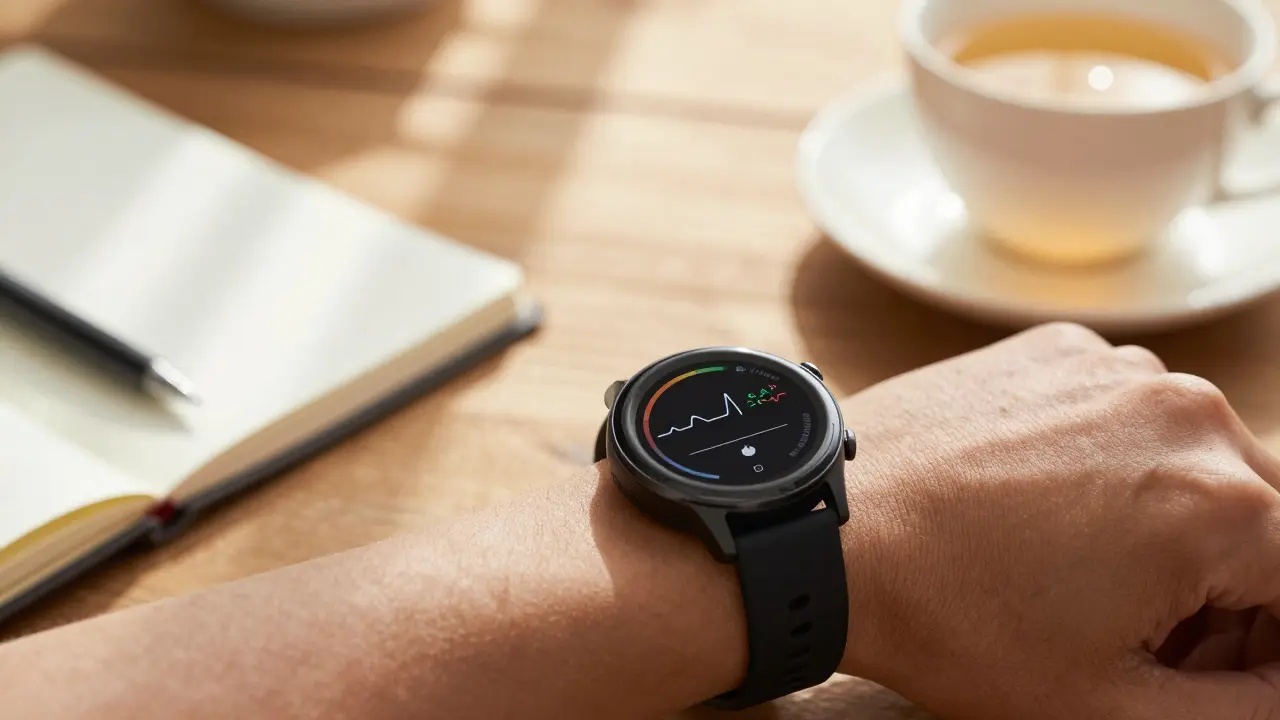
Historically, biofeedback required bulky machines and clinic visits. That barrier is disappearing. The rise of Wearable Technology, devices worn on the body that track health metrics like heart rate, steps, and sleep. has democratized access. Smartwatches now measure HRV continuously. Apps provide guided breathing exercises based on real-time data.
This shift means biofeedback is no longer confined to therapy rooms. You can practice it at home, at work, or while commuting. However, convenience brings challenges. Not all consumer devices are accurate. Medical-grade sensors differ significantly from fitness trackers. Understanding this distinction is crucial for anyone relying on data for health decisions.
Moreover, self-guided apps lack the personalized coaching of a therapist. A professional helps interpret data, adjust strategies, and address underlying emotional blocks. Technology enhances biofeedback, but it doesn’t replace the human element entirely.
Challenges and Limitations
Despite its benefits, biofeedback isn’t a cure-all. It requires commitment. Learning to control involuntary functions takes time and practice. Some patients get frustrated when results aren’t immediate. Consistency is key. Skipping sessions slows progress.
Cost remains another hurdle. While insurance coverage is expanding, out-of-pocket expenses can be high. Specialized equipment and certified therapists aren’t cheap. Accessibility varies widely depending on location and socioeconomic status.
Additionally, biofeedback works best for motivated individuals. It demands active participation. Patients looking for quick fixes or passive treatments may find it unsuitable. Screening for readiness is essential to ensure success.
What to Expect in Your First Session
If you’re considering biofeedback, here’s what typically happens:
- Assessment: The therapist evaluates your condition and goals.
- Sensor Placement: Electrodes attach to your skin (fingers, forehead, chest).
- Baseline Reading: Initial measurements establish your normal state.
- Training: You practice relaxation techniques while watching feedback on a screen.
- Feedback Loop: The therapist guides you, adjusting strategies as needed.
- Home Practice: You receive exercises to continue independently.
Sessions usually last 30-60 minutes. Most people need 8-10 sessions to see lasting changes. Progress depends on individual factors like severity of condition and adherence to home practice.
| Type | Measures | Best For | Equipment Needed |
|---|---|---|---|
| EMG | Muscle Tension | Back Pain, Headaches | Electrodes |
| Thermal | Skin Temperature | Migraines, Raynaud’s | Temperature Sensors |
| HRV | Heart Rate Variability | Anxiety, Stress | Chest Strap/Finger Sensor |
| EEG | Brain Waves | ADHD, Insomnia | Headset/Electrodes |
Finding a Qualified Practitioner
Not everyone offering biofeedback is qualified. Look for certifications from recognized bodies like the Biofeedback Certification International Alliance (BCIA). Certified practitioners undergo rigorous training and exams. They stay updated on latest research and ethical standards.
Ask potential therapists about their experience with your specific condition. Do they specialize in pain? Anxiety? Performance? Matching expertise to your needs improves outcomes. Don’t hesitate to ask for references or case studies.
Also, consider logistics. How far are they? What are the costs? Is telehealth available? Consistency matters, so choose someone convenient enough to visit regularly.
Is biofeedback safe?
Yes, biofeedback is generally safe. It’s non-invasive and drug-free. Side effects are rare but may include temporary fatigue or mild discomfort from sensor placement. Always consult your doctor before starting, especially if you have heart conditions or epilepsy.
How long does it take to see results?
Results vary. Some feel relief after one session. Others need 8-10 sessions. Consistent home practice speeds up progress. Patience and regularity are crucial for long-term success.
Does insurance cover biofeedback?
Coverage depends on your plan and condition. Many insurers cover it for hypertension, migraines, and IBS. Check with your provider beforehand. Some clinics offer payment plans or sliding scales.
Can I do biofeedback at home?
Yes, with consumer devices and apps. However, initial training with a professional ensures proper technique. Home devices are great for maintenance but less effective for learning new skills from scratch.
Who should avoid biofeedback?
People with severe psychiatric disorders, uncontrolled seizures, or certain heart conditions should proceed with caution. Always get medical clearance first. Biofeedback is a tool, not a replacement for emergency care.