

Imagine learning to slow your heart, ease muscle tension, or stop a migraine by watching a screen. That’s biofeedback therapy in a nutshell: you get real-time data from your body and use it to change how you react. It sounds technical, but the idea is simple—see a signal, change the signal.
Small sensors measure things like heart rate, skin temperature, muscle activity (EMG), or brain waves (EEG). The device turns those signals into sounds or visuals you can notice right away. When your breathing steadies or your muscles relax, the feedback changes and you learn to repeat that response. Over repeated sessions your brain and body pick up the habit, so you can use it without the machine.
This isn’t magic. Clinical trials have shown specific benefits: for example, biofeedback often reduces migraine frequency and helps people lower blood pressure when combined with usual care. Heart rate variability (HRV) biofeedback has solid backing for anxiety and stress control. Neurofeedback (EEG-based) can help with attention and some mood issues, though results vary and work best with consistent practice.
People try biofeedback for many reasons: chronic pain, tension headaches, migraines, anxiety, high blood pressure, IBS, and muscle tension. If you’ve tried breathing exercises and mindfulness but want clearer, faster feedback, biofeedback can speed up learning. It’s also useful when medications aren’t an option or you prefer non-drug approaches.
It’s not a cure-all. Some conditions respond better than others. For migraines and tension-type headaches, many patients see fewer attacks. For anxiety and stress, HRV biofeedback often reduces panic and improves calm. Neurofeedback may help attention issues, but expect several sessions and steady practice.
Sessions usually last 30–60 minutes. A clinician places sensors, runs simple tasks, and coaches you on techniques—breathing, visualization, or progressive muscle relaxation—while you watch feedback. Most programs recommend 6–20 sessions depending on the goal. After a few sessions you’ll get homework: short daily practice to lock in gains.
You can also find consumer biofeedback tools—wearables and apps that track HRV or breathing. They help, but clinical devices used by trained therapists give clearer signals and tailored coaching. If you try apps, use them as a supplement, not a full replacement for professional care when the issue is severe.
Quick tips: pick a licensed provider who explains goals and expected timeline, ask about device type (EEG, HRV, EMG), and commit to daily short practice. Results take weeks, not hours, but many people notice steady improvement in stress, sleep, and pain management.
Biofeedback is practical, hands-on, and teachable. If you want tools that train your body and mind together, it’s worth a look—especially when you want non-drug options with measurable progress.
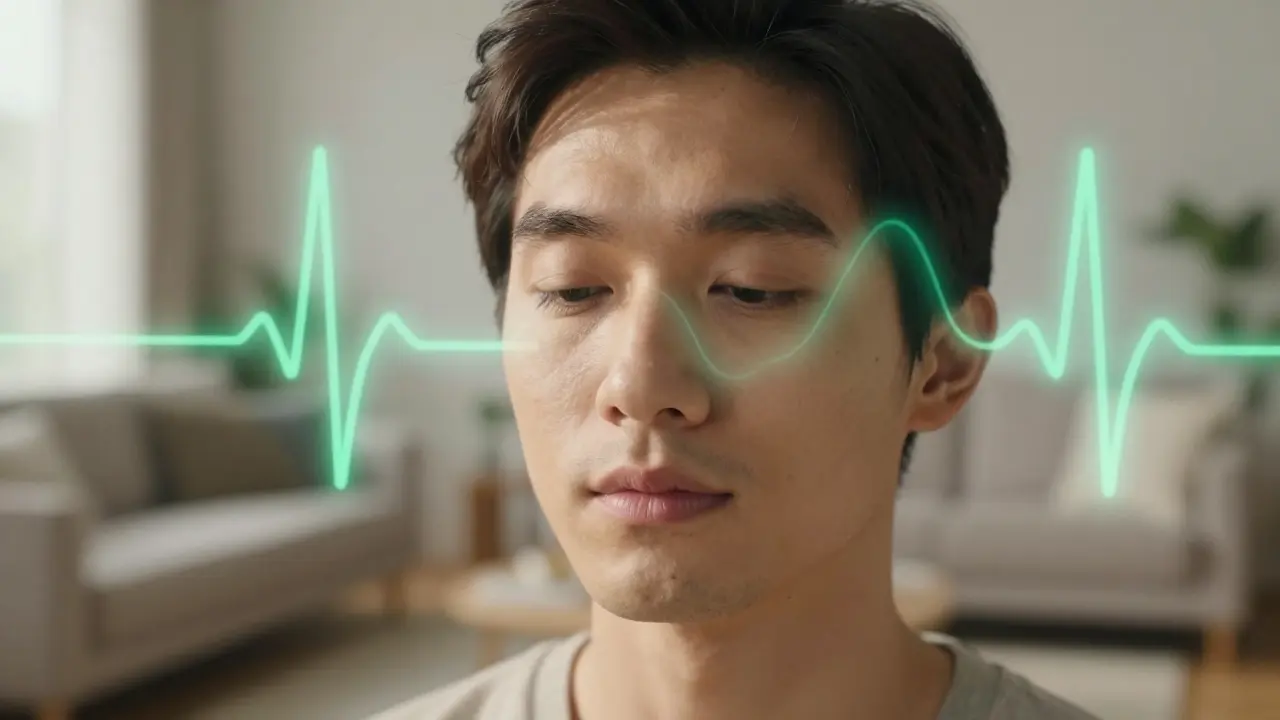
Discover why biofeedback is booming in 2026. Learn how this mind-body technique helps manage stress, anxiety, and pain through real-time data, and explore the best ways to start your journey.
Read More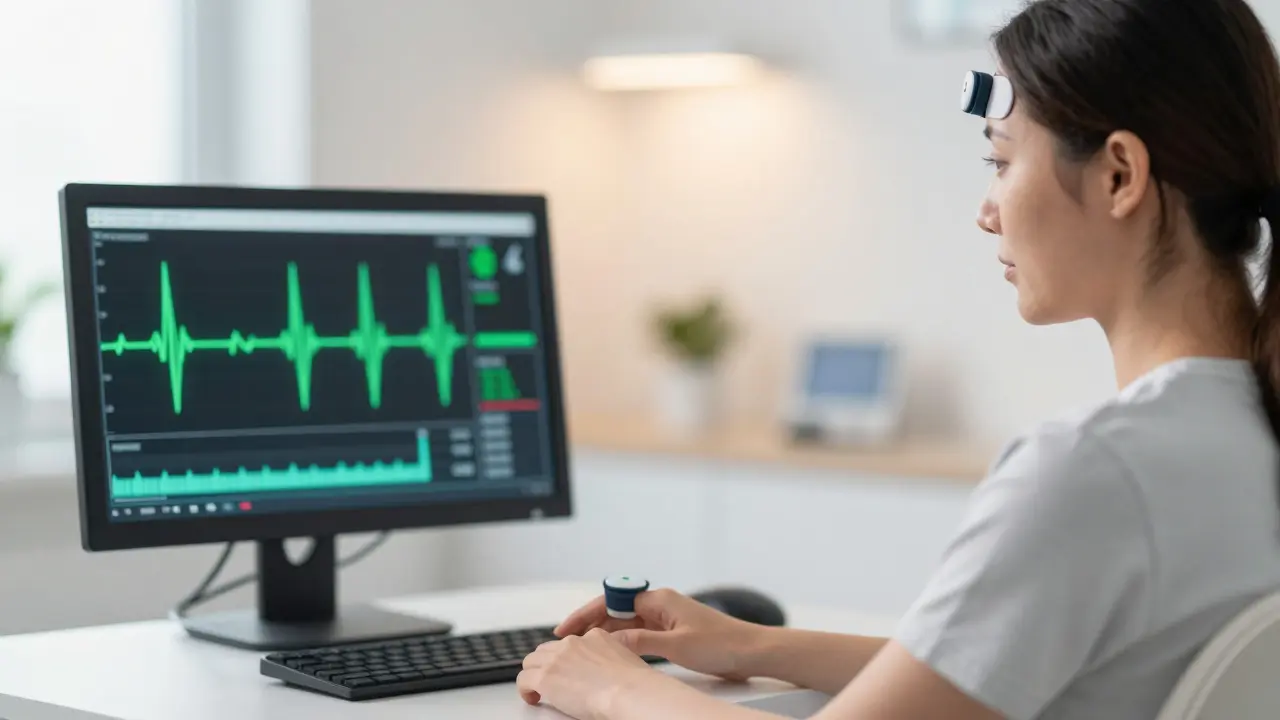
Discover how biofeedback therapy is transforming modern medicine by helping patients control involuntary bodily functions. Learn about its benefits for pain, anxiety, and stress management.
Read More
Ever found yourself curious about biofeedback, that intriguing health technique you've heard whispers about? Hi there! I'm diving headfirst into the world of biofeedback to unravel its mysteries and share with you how it might just be the game-changer we've all been looking for. Imagine having the power to control your body's responses to stress, pain, and illness just by better understanding the signals it's sending you – that's biofeedback in a nutshell! It's like having a conversation with your own physiology, and I'm eager to learn the language. Join me as we uncover the potential benefits, the types of biofeedback available, and how we can integrate them into our self-care routines. It's a journey towards self-empowerment, and I promise it will be as enlightening as it is nurturing for our well-being!
Read More