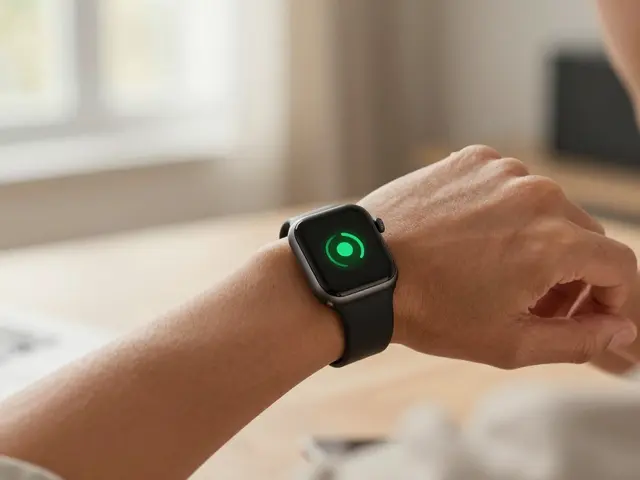

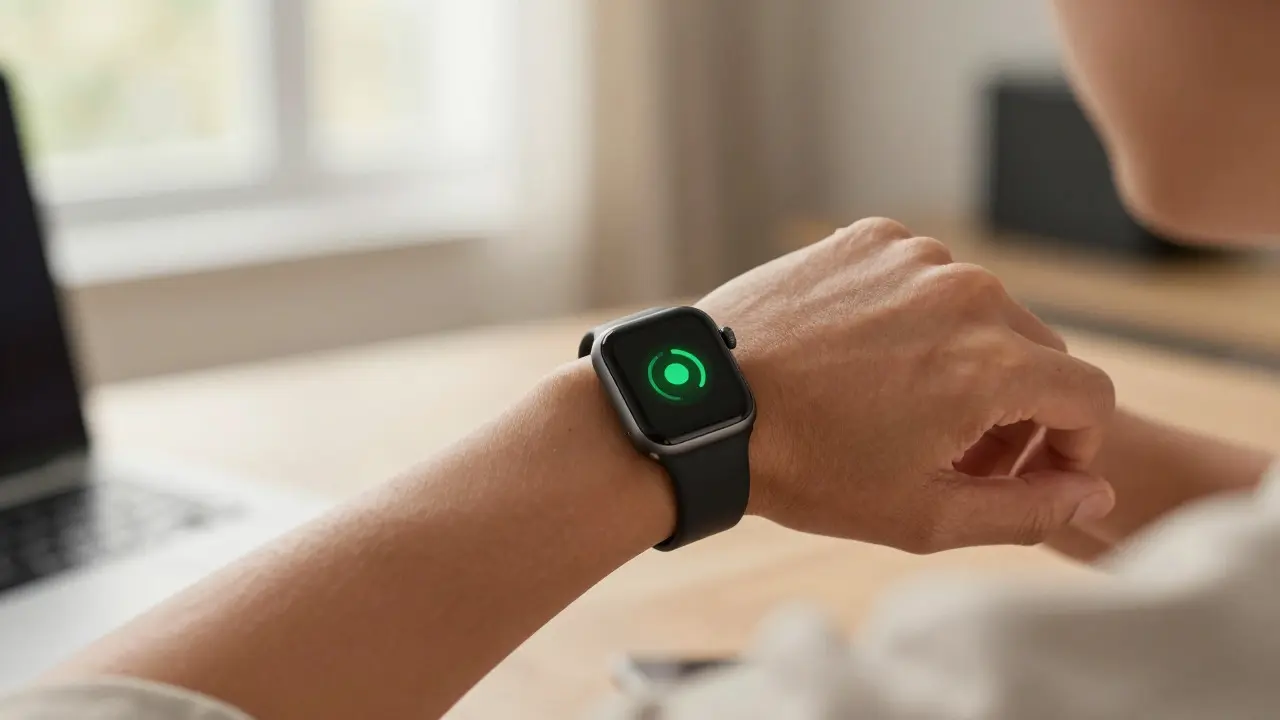
Imagine being able to see your stress levels on a screen in real-time. Not just feeling tense, but watching a graph spike as your heart rate accelerates or your muscles tighten. This isn’t science fiction; it’s biofeedback. For decades, this technology has been quietly transforming how we treat mental health conditions like anxiety, PTSD, and chronic stress. It shifts the narrative from passive suffering to active control, giving patients tangible proof that they can influence their own nervous system.
The revolution lies in the shift from abstract advice to concrete data. Traditional therapy often relies on talking through feelings, which is vital but sometimes feels disconnected from the physical reality of panic attacks or burnout. Biofeedback bridges that gap. It turns invisible physiological processes into visible metrics, allowing you to train your body to stay calm under pressure. As we move further into 2026, the integration of wearable tech and clinical protocols makes this approach more accessible than ever before.
What Exactly Is Biofeedback?
Biofeedback is a technique that helps people learn to control bodily functions such as heart rate, muscle tension, and skin temperature using real-time information about those functions. At its core, it’s about awareness leading to change. You cannot control what you do not measure. By attaching sensors to your body, you receive immediate feedback-often via visual graphs or auditory tones-when your body enters a state of relaxation or stress.
Think of it like learning to ride a bike. Initially, you wobble because you don’t know how to balance. With practice and feedback (feeling the tilt), you adjust your posture until balancing becomes automatic. Biofeedback works similarly for your autonomic nervous system. The goal is to make relaxation a skill you can deploy at will, not just a lucky break when things are quiet.
The Science Behind the Shift
To understand why biofeedback is so effective, we need to look at the Autonomic Nervous System (ANS) is the part of the nervous system that controls involuntary actions like breathing, digestion, and heart rate. The ANS has two main branches: the sympathetic nervous system (fight-or-flight) and the parasympathetic nervous system (rest-and-digest). In many mental health struggles, the sympathetic branch gets stuck in the "on" position.
Biofeedback trains the parasympathetic response. Studies published in journals like Biofeedback and Self-Regulation have shown that consistent training can lower baseline cortisol levels and improve heart rate variability (HRV). HRV is a key metric here. High HRV indicates a flexible, resilient nervous system capable of adapting to stress. Low HRV suggests rigidity and poor recovery. By focusing on increasing HRV through biofeedback exercises, patients aren’t just masking symptoms; they are rewiring their physiological response to triggers.
Types of Biofeedback Techniques
Not all biofeedback is created equal. Different techniques target different physiological markers, making them suitable for various conditions. Understanding these types helps you choose the right approach for your specific needs.
- Electromyography (EMG): Measures muscle tension. Ideal for chronic pain, migraines, and tension headaches. Sensors placed on the forehead or shoulders show you when you’re clenching without realizing it.
- Thermal Biofeedback: Monitors skin temperature. When you relax, blood flow increases to your extremities, warming your hands and feet. This is particularly effective for Raynaud’s disease and anxiety-related cold hands.
- Heart Rate Variability (HRV) Biofeedback: Tracks the variation in time between heartbeats. This is the gold standard for stress management and anxiety disorders. Devices guide you to breathe at a resonant frequency (usually around 6 breaths per minute) to optimize coherence between heart and brain.
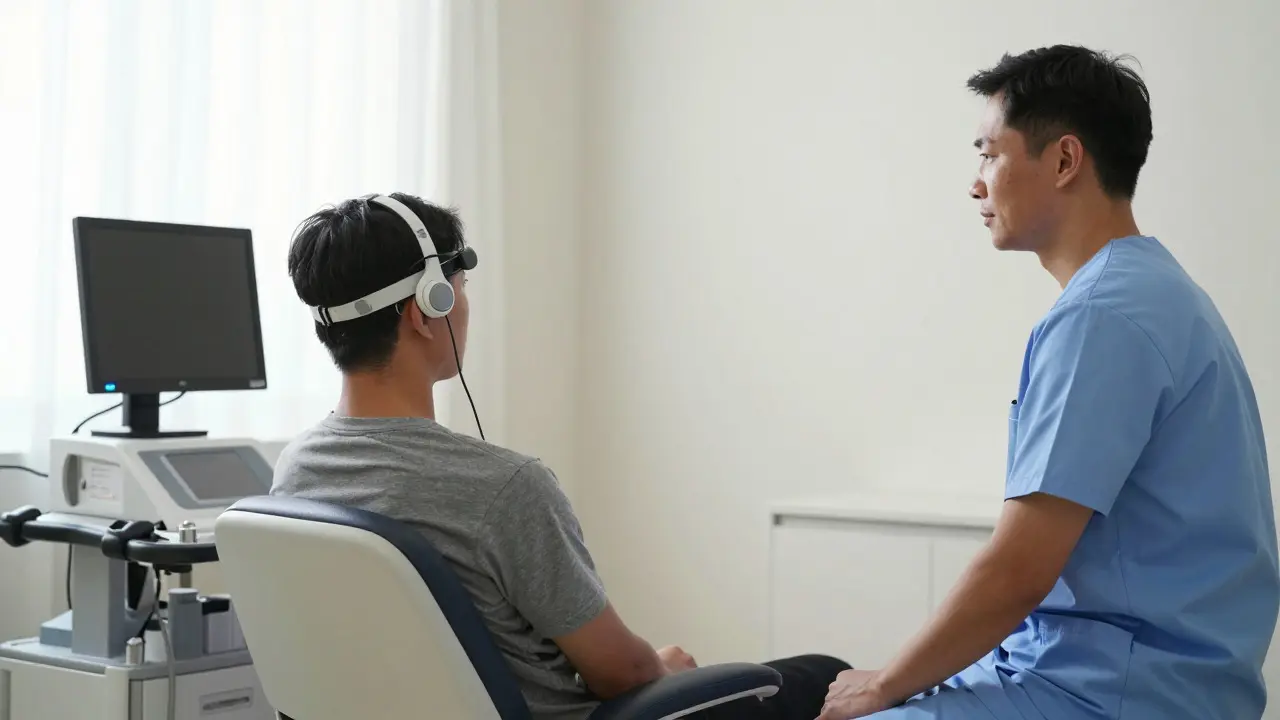
- Neurofeedback (EEG Biofeedback): Measures brain wave activity. Unlike other forms, this targets cognitive patterns. It’s used for ADHD, PTSD, and sleep disorders by rewarding calming brain waves (alpha/theta) and reducing hyperactive ones (beta).

Clinical Applications in Mental Health
The application of biofeedback extends far beyond general stress relief. It is now a cornerstone in treating several specific mental health diagnoses.
Anxiety Disorders: For someone with generalized anxiety disorder (GAD), the fear of losing control is paralyzing. Biofeedback provides evidence of control. Seeing your heart rate drop as you practice deep breathing creates a positive feedback loop that reduces anticipatory anxiety.
Post-Traumatic Stress Disorder (PTSD): Trauma keeps the body in a constant state of alert. Neurofeedback has shown promise in helping veterans and trauma survivors regulate their emotional responses. By training the brain to stay in a calmer state, patients can engage more effectively in talk therapy without becoming overwhelmed.
Depression: While less common than its use for anxiety, biofeedback is emerging as a supportive tool for depression. Some protocols focus on asymmetry in frontal brain waves. Left-frontal activation is associated with approach motivation and positive affect, while right-frontal dominance links to withdrawal and negative mood. Training can help rebalance these patterns.
| Type | Measures | Best For | Equipment Needed |
|---|---|---|---|
| EMG | Muscle Tension | Headaches, Chronic Pain | Surface Electrodes |
| Thermal | Skin Temperature | Anxiety, Circulation Issues | Temperature Sensor |
| HRV | Heartbeat Intervals | Stress, Panic Attacks | ECG Chest Strap/Finger Clip |
| Neurofeedback | Brain Waves | ADHD, PTSD, Sleep | EEG Headset/Cap |
The Role of Wearable Technology
In 2026, the barrier to entry for biofeedback has never been lower. You no longer need to visit a clinic for every session. Consumer wearables like smartwatches and dedicated HRV monitors allow for continuous tracking. Apps like Elite HRV or Welltory provide guided sessions that mimic clinical environments.
This democratization of data is powerful. However, there is a catch. Consumer devices are good for trends but not always precise enough for diagnostic-level neurofeedback. For serious conditions, professional-grade equipment remains essential. The best approach often combines daily home practice with periodic clinical check-ins to ensure progress and adjust protocols.
Getting Started: A Step-by-Step Guide
If you’re interested in trying biofeedback, here is a practical path forward. Remember, consistency is key. Like any skill, it takes repetition to rewire neural pathways.
- Consult a Professional: Start with a certified biofeedback therapist (look for BCIA certification). They can assess your specific needs and recommend the right type of biofeedback.
- Choose Your Metric: For most people starting out, HRV biofeedback is the most versatile and easiest to understand. It directly addresses stress resilience.
- Create a Routine: Dedicate 15-20 minutes a day to practice. Morning or evening works best. Consistency matters more than duration.
- Focus on Breath: Most biofeedback protocols involve paced breathing. Follow the visual cues on your device. Don’t force it; let the rhythm guide you.
- Track Progress: Keep a journal. Note your stress levels before and after sessions. Over weeks, you’ll see a correlation between practice and improved mood stability.
Pitfalls and Realistic Expectations
Biofeedback is not a magic pill. It requires effort. One common pitfall is expecting immediate results. Neural plasticity takes time. You might feel relaxed during the session but struggle to apply the skills in high-stress moments initially. This is normal. The transfer of learning happens gradually.
Another mistake is relying solely on technology. The device is a teacher, not the cure. The goal is internalize the sensation of calm so you eventually don’t need the sensor. If you find yourself unable to relax without looking at a screen, you may be over-relying on the external validation.
Future Directions in Biofeedback
As we look ahead, the integration of AI and biofeedback promises even more personalized treatments. Machine learning algorithms can analyze vast amounts of physiological data to predict stress episodes before they happen, prompting micro-interventions. Imagine your watch gently vibrating to suggest a breathing exercise the moment your HRV drops, preventing a full-blown panic attack.
Additionally, virtual reality (VR) is being combined with biofeedback to create immersive exposure therapies. Patients can face fears in a controlled VR environment while monitoring their physiological responses, accelerating desensitization. This convergence of technologies marks the next frontier in mental health care.
Is biofeedback covered by insurance?
Coverage varies widely by provider and location. In many regions, biofeedback is covered for specific conditions like migraines, IBS, and hypertension. For mental health diagnoses like anxiety or PTSD, coverage is less common but growing. Always check with your insurer and ask if your therapist accepts direct billing or offers super-bills for reimbursement.
How long does it take to see results from biofeedback?
Most people notice some improvement within 4 to 6 weeks of regular practice. However, significant changes in chronic conditions may require 3 to 6 months of consistent training. The key is daily practice. Sporadic sessions yield minimal benefits.
Can I do biofeedback at home?
Yes, especially for HRV and basic EMG training. There are many affordable consumer devices and apps available. However, for complex issues like PTSD or severe anxiety, starting with a certified therapist ensures you learn the techniques correctly and safely.
Is neurofeedback safe?
Neurofeedback is generally considered safe and non-invasive. Side effects are rare but can include temporary fatigue, headache, or irritability. These usually resolve quickly. It is important to work with a trained professional to avoid improper protocol selection.
Does biofeedback replace medication?
Biofeedback can complement medication and, in some cases, reduce the need for it. However, it should not be used to abruptly stop prescribed medications without consulting your doctor. Many patients use biofeedback to manage side effects or enhance the efficacy of their current treatment plan.