


You can't build a skyscraper on a swamp. In the same way, trying to master a new professional skill or launch a business while your body is crashing and your mind is foggy is a recipe for burnout. Most people treat their physical health and their personal growth as two separate folders in their life, but the truth is they are fused together. When you set specific health goals, you aren't just trying to fit into a smaller pair of jeans or run a faster mile; you are actually training your brain to handle the discipline required for every other area of your life.
- Energy Management: Higher physical vitality allows for longer periods of deep focus.
- Psychological Resilience: Overcoming a physical challenge builds the "grit" needed for mental hurdles.
- Identity Shift: Moving from "someone who tries to be healthy" to "a healthy person" changes your self-image.
- Consistency Loops: The habit of a morning workout creates a ripple effect of productivity throughout the day.
The Biological Foundation of Growth
It sounds basic, but your brain is a physical organ. If you're neglecting your biology, you're essentially trying to run high-end software on outdated hardware. Neuroplasticity is the brain's ability to reorganize itself by forming new neural connections throughout life. This is the core of personal development. However, neuroplasticity doesn't happen in a vacuum. It requires specific biological triggers.
For instance, BDNF (Brain-Derived Neurotrophic Factor) acts like "Miracle-Gro" for your brain cells. You produce more of it through aerobic exercise. When you set a health goal to walk 10,000 steps or hit the gym four times a week, you aren't just burning calories; you're literally priming your brain to learn new things faster. If you've ever noticed that your best ideas come during a walk or after a workout, that's not a coincidence-it's chemistry.
Turning Vague Desires into Concrete Results
Most people fail at health goals because they set "intentions" instead of "targets." Saying "I want to be healthier" is like saying "I want to be successful." It's too vague to act on. To actually fuel your personal development, you need a system that creates a feedback loop.
The most effective framework here is SMART Goals, which are objectives that are Specific, Measurable, Achievable, Relevant, and Time-bound. Instead of "eating better," a personal development-focused health goal looks like: "I will replace my 3 p.m. sugary snack with a handful of almonds and a glass of water for the next 21 days." This shift does two things. First, it gives you a win. Second, it proves to your subconscious that you are someone who keeps promises to themselves.
| Vague Intention | Growth-Oriented Goal | Personal Development Benefit |
|---|---|---|
| "I want to get fit" | "I will attend 3 strength training classes per week for 2 months" | Builds discipline and time-management skills. |
| "I need more sleep" | "I will turn off all screens by 10 p.m. every weeknight" | Improves emotional regulation and cognitive clarity. |
| "I'll try to eat healthy" | "I will prep 5 high-protein lunches every Sunday" | Encourages foresight and organizational planning. |
The Mental Game: Discipline and the Dopamine Loop
There is a direct link between how you handle a treadmill and how you handle a difficult project at work. Both require you to do something uncomfortable in the short term to get a reward in the long term. This is known as Delayed Gratification, the ability to resist an immediate reward in hopes of obtaining a more valuable reward in the future.
When you push through the last five minutes of a run or choose a salad over a burger, you are exercising your prefrontal cortex. This is the part of the brain responsible for executive function and impulse control. By consistently hitting health goals, you are essentially "leveling up" your willpower. This makes it significantly easier to tackle other personal development milestones, like reading a difficult book or waking up at 5 a.m. to study a new language, because you've already conditioned your brain to embrace the struggle.
Sleep: The Unsung Hero of Mental Evolution
You cannot think your way out of a sleep deficit. Many people in the pursuit of personal growth fall into the "hustle culture" trap, sacrificing sleep to get more done. In reality, Sleep Hygiene-the practice of maintaining a consistent sleep schedule and a conducive environment for rest-is a non-negotiable health goal for any high-performer.
During deep sleep, your brain performs a critical cleanup process. The glymphatic system flushes out metabolic waste that builds up during the day. Without this, you experience brain fog, irritability, and a total collapse of decision-making abilities. If your personal development plan includes "better leadership skills" or "emotional intelligence," but doesn't include a goal of 7-8 hours of quality sleep, you're fighting an uphill battle. A well-rested brain can process complex emotions and social cues; a sleep-deprived brain stays in a state of survival-based reactivity.
Nutrition as Cognitive Fuel
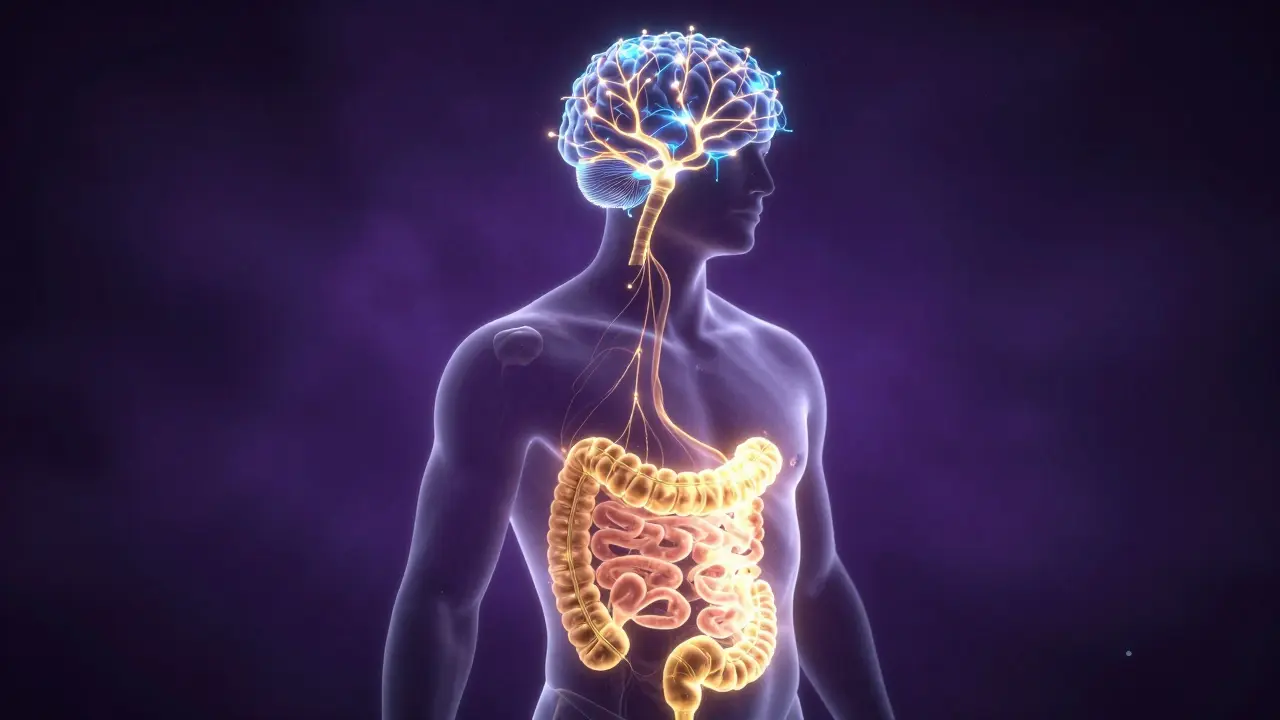
What you eat doesn't just affect your waistline; it affects your mood and your ability to think. The Gut-Brain Axis is the bidirectional communication network between the central nervous system and the enteric nervous system of the gut. Since a massive portion of your serotonin-the "feel-good" hormone-is produced in the gut, your diet directly influences your mental state.
Imagine trying to learn a new skill while your blood sugar is spiking and crashing every two hours because of processed carbs. You'll feel a burst of energy followed by a mental slump that kills your motivation. By setting a goal to stabilize your blood sugar through complex carbohydrates and healthy fats, you create a steady stream of energy for your brain. This stability allows you to stay in a state of "flow" for longer periods, which is where the most significant personal growth happens.

Avoiding the Perfectionist Trap
One of the biggest risks in combining health goals with personal development is the "all-or-nothing" mentality. People start a rigorous diet and a 6-day-a-week gym plan, miss one day, and then decide the whole project is a failure. This is actually a setback in personal development because it reinforces a negative self-narrative.
The goal isn't perfection; it's Consistency. A better approach is the "never miss twice" rule. If you miss your workout on Tuesday, your only goal for Wednesday is to show up, even if it's just for ten minutes. This teaches you resilience and adaptability-two of the most important traits in any growth journey. It shifts the focus from the outcome (the weight on the scale) to the process (the habit of showing up).
Integrating Health into Your Life Map
To make this work, stop viewing health as a chore and start viewing it as an investment. If you spend an hour exercising, you aren't losing an hour of study or work time; you are gaining two hours of higher-quality focus for the rest of the day. This is the essence of holistic growth.
- Audit your current energy: Track when you feel most tired and look for the health trigger (poor sleep, bad lunch, no movement).
- Pick one "keystone habit": Start with one health goal that makes everything else easier. For many, this is a consistent wake-up time or drinking 3 liters of water.
- Connect the goal to your bigger 'Why': Don't just say "I want to lose weight." Say "I want more energy so I can be a more present parent and a more creative professional."
- Review and adjust: Every Sunday, look at your health wins and see how they impacted your mood, focus, and productivity.
Can't I just focus on my career and ignore health goals for now?
You can, but you'll hit a ceiling much sooner. Cognitive performance is tied to physical health. When you ignore sleep, nutrition, and movement, your ability to handle stress drops and your creativity diminishes. Eventually, your health will force you to stop-either through burnout, illness, or mental exhaustion-which will derail your career goals more than a 30-minute workout ever would.
What is the best health goal for someone who has zero willpower?
Start with "micro-goals" that are almost impossible to fail. Instead of a 60-minute workout, commit to putting on your gym shoes and walking for 5 minutes. The goal isn't the exercise itself; it's the act of starting. Once you prove to yourself that you can follow through on a tiny commitment, your confidence grows, and you can slowly increase the difficulty.
How does physical exercise actually help with mental toughness?
Exercise is a controlled form of stress. When you push your muscles or lungs to their limit, you are training your mind to stay calm and focused while under pressure. This "stress inoculation" transfers to other areas of life. If you can handle the discomfort of a grueling HIIT session or a long run, a stressful meeting at work feels much more manageable by comparison.
Which is more important for personal development: diet or exercise?
They serve different but complementary roles. Nutrition provides the raw materials and stable energy required for cognitive function and mood regulation. Exercise provides the structural brain health (like BDNF) and the discipline of habit. For maximum growth, you need both, but if you're starting from zero, focus on the one that currently feels like your biggest leak-if you're always tired, start with diet/sleep; if you're feeling stagnant and lazy, start with movement.
How long does it take for health goals to impact my personal growth?
Some effects are immediate-like the mood boost after a workout or the clarity after a good night's sleep. However, the structural changes in your identity and discipline usually take 66 days on average to become automatic habits. You'll notice the "compounding effect" after about three months, where you no longer have to fight yourself to be productive because your body is naturally supporting your mind.