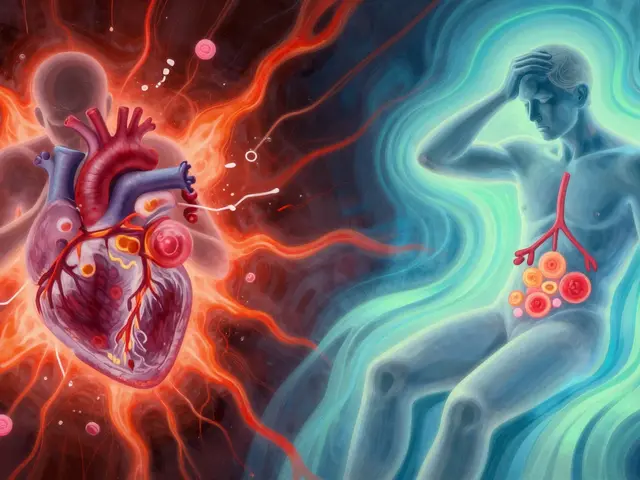


It starts with a tightness in your chest. Maybe it’s a headache that won’t go away, or the sudden urge to snap at someone who did nothing wrong. You check your phone, see another email, and feel that familiar wave of dread wash over you. This isn’t just having a bad day; this is your body sounding an alarm. Chronic stress is a persistent state of physiological arousal where the body remains in 'fight or flight' mode long after the initial threat has passed. It’s not a character flaw. It’s a biological response that, when left unchecked, rewires your brain and damages your organs.
We often treat stress as a mental problem to be solved with positive thinking. But science tells us it’s largely physical. When you are stressed, your hypothalamus triggers your adrenal glands to release Cortisol is the primary hormone responsible for the body's stress response, regulating metabolism and immune function during acute threats. A little cortisol helps you focus. Too much of it, over too long, breaks down muscle tissue, spikes blood sugar, and suppresses your immune system. If you want a healthier lifestyle, you don’t need more willpower. You need to lower the noise so your body can finally rest.
The Physiology of Letting Go
To reduce stress effectively, you have to understand what you are fighting against. Your nervous system has two main modes: the sympathetic nervous system (gas pedal) and the parasympathetic nervous system (brake). Most of us spend our lives slamming on the gas. We think we are being productive, but biologically, we are exhausting our resources.
The goal of stress reduction is not to eliminate every stressor-that’s impossible. The goal is to improve your "recovery window." This is the time between stress events where your body repairs itself. If your recovery window is short, you accumulate damage. Here is how you widen that window using specific, actionable methods.
Breathing as a Biological Hack
You cannot think your way out of stress because your prefrontal cortex (the logical part of your brain) goes offline when your amygdala (the fear center) takes over. However, you can breathe your way out. Breathing is one of the few autonomic functions you can control consciously. By changing your breath, you send a direct signal to your vagus nerve, which activates the parasympathetic nervous system.
Try the Box Breathing is a rhythmic breathing technique used by Navy SEALs and therapists to regulate the nervous system and improve focus under pressure. It works like this:
- Inhale through your nose for 4 seconds.
- Hold that breath for 4 seconds.
- Exhale slowly through your mouth for 4 seconds.
- Hold the empty lungs for 4 seconds.
Repeat this cycle four times. It feels mechanical, almost silly, at first. But within two minutes, your heart rate variability (HRV) increases. HRV is a key marker of resilience. High HRV means your body adapts well to stress. Low HRV means you are rigid and prone to burnout. Do this before meetings, before sleep, or right now if you are reading this and feeling tense.
Movement vs. Exercise
There is a big difference between exercise and movement. Intense interval training or heavy lifting is great for fitness, but if you are already chronically stressed, high-intensity workouts can actually raise cortisol further. Think of it like adding fire to a fire. For stress reduction, you need low-intensity steady-state movement.
Nature immersion is the practice of spending time in natural environments, which has been shown to lower cortisol levels and reduce activity in the prefrontal cortex associated with rumination. A 20-minute walk outside, preferably in a green space, does more for your stress levels than an hour on the treadmill. Why? Because nature provides "soft fascination." It engages your attention without demanding effort. Your brain gets a break from the hyper-focus required by screens and work tasks.
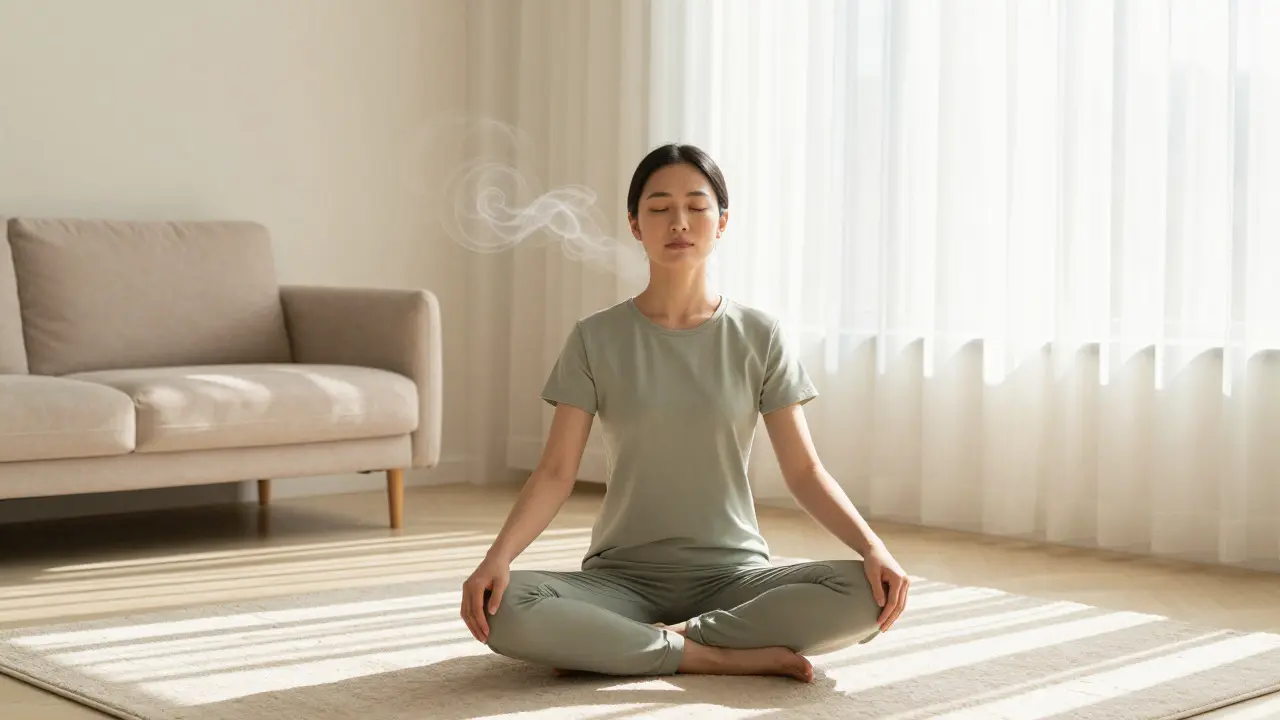
If you can’t get outside, try yoga or Tai Chi. These practices combine movement with breath awareness. They teach your body to move smoothly rather than jerkily, signaling safety to your nervous system. The key is consistency, not intensity. Ten minutes of mindful stretching daily beats one hour of aggressive gym sessions once a week for stress management.
Digital Hygiene and Boundaries
In 2026, our biggest stressor isn’t usually life-or-death danger; it’s information overload. Every notification is a micro-stressor. Your brain treats a text message with the same urgency as a lion chasing you. This constant context-switching fragments your attention and keeps your cortisol elevated.
You need to create digital boundaries. This doesn’t mean deleting all your apps. It means controlling when they access you. Try the "No-Phone Bedroom" rule. Charge your phone in the kitchen overnight. Buy a real alarm clock. This single change improves sleep quality dramatically because you remove the temptation to scroll before bed, which suppresses melatonin production.
Also, practice "batching." Instead of checking email every ten minutes, set three specific times a day to process communications. Close the tab otherwise. This reduces the cognitive load of anticipating responses. You reclaim hours of mental energy that were previously spent in a state of passive anxiety.
Nutrition for Calm
Your gut is often called your "second brain" because of the enteric nervous system. What you eat directly impacts your mood and stress resilience. Sugar crashes mimic panic attacks. Caffeine mimics adrenaline. If you are drinking coffee on an empty stomach while stressed, you are essentially flooding your system with stimulants.
Focus on foods that support neurotransmitter balance. Omega-3 fatty acids, found in salmon, walnuts, and flaxseeds, reduce inflammation in the brain. Magnesium, found in leafy greens, pumpkin seeds, and dark chocolate, acts as a natural muscle relaxant and calming agent. Many people are deficient in magnesium, which makes them more susceptible to stress.
Hydration matters too. Even mild dehydration increases cortisol levels. Keep water accessible. If you feel a spike in anxiety, drink a large glass of water. It’s a simple physiological reset that often interrupts the stress cycle.
Social Connection as Medicine
Humans are social animals. Isolation is a major predictor of poor health outcomes. Conversely, strong social connections buffer against stress. This isn’t about networking or superficial interactions. It’s about "co-regulation." When you are around calm, supportive people, your nervous system syncs with theirs. You literally borrow their calm.
Prioritize face-to-face interactions. Video calls are better than texts, but they are no substitute for physical presence. Touch releases oxytocin, a hormone that counteracts cortisol. A hug from a friend, partner, or even a pet can lower blood pressure instantly. Make time for these connections. Schedule them like important meetings. Protect that time fiercely.

Comparison of Stress Reduction Techniques
| Technique | Primary Benefit | Time Required | Best For |
|---|---|---|---|
| Box Breathing | Immediate nervous system regulation | 2-5 minutes | Acute anxiety, panic attacks |
| Nature Walks | Lowers cortisol, reduces rumination | 20+ minutes | Chronic stress, mental fatigue |
| Digital Detox | Reduces information overload | Ongoing habit | Burnout prevention, better sleep |
| Magnesium Supplementation | Muscle relaxation, sleep aid | Daily | Physical tension, insomnia |
| Social Connection | Oxytocin release, emotional support | Variable | Loneliness, long-term resilience |
Building a Sustainable Routine
The mistake most people make is trying to do everything at once. They start meditating, going to the gym, eating kale, and deleting social media all on Monday. By Wednesday, they quit. Stress reduction is a marathon, not a sprint. Start small.
Pick one thing. Just one. Maybe it’s drinking a glass of water when you wake up. Maybe it’s taking five deep breaths before opening your laptop. Master that habit for two weeks. Then add another. Consistency beats intensity every time. Your body needs repetition to learn that it is safe.
Track your progress, but not in a stressful way. Notice how you feel. Do you sleep better? Are you less irritable? Do you recover faster after a hard workout? These are your metrics. Listen to your body. It knows what it needs.
When to Seek Professional Help
Sometimes, self-help isn’t enough. If your stress manifests as persistent sadness, loss of interest in activities, changes in appetite or sleep, or thoughts of hopelessness, it may be depression or an anxiety disorder. These are medical conditions, not lifestyle choices.
Cognitive Behavioral Therapy (CBT) is a structured form of psychotherapy that helps individuals identify and change negative thought patterns and behaviors contributing to stress and anxiety. CBT is highly effective for managing stress-related disorders. Therapists provide tools tailored to your specific situation. There is no shame in seeking help. In fact, it’s one of the bravest things you can do. Look for licensed professionals in your area. Many insurance plans cover therapy. Online platforms also offer accessible options.
How quickly can I expect to feel results from stress reduction techniques?
Physiological changes happen immediately. Deep breathing can lower your heart rate within minutes. However, reducing chronic stress and rewiring your brain's response to triggers takes time. Most people notice significant improvements in mood and energy levels within 2 to 4 weeks of consistent practice. Long-term benefits, such as reduced risk of heart disease, accrue over months and years.
Is meditation really necessary for stress reduction?
Meditation is a powerful tool, but it is not the only one. If sitting still feels impossible or frustrating, start with movement-based mindfulness like walking meditation or yoga. The goal is to train your attention and return to the present moment. Any activity that helps you achieve this state is valid. Don't let the perfectionism of "proper" meditation become another source of stress.
Can diet alone cure stress?
Diet plays a crucial supporting role, but it is rarely a standalone cure. Nutritional deficiencies can exacerbate stress symptoms, so fixing your diet is essential. However, if your environment is toxic or your workload is unmanageable, no amount of kale will solve the root cause. Combine good nutrition with boundary setting and relaxation techniques for the best results.
What is the best time of day to practice stress reduction?
The best time is whenever you can consistently do it. Morning routines set a calm tone for the day. Evening practices help transition into sleep. Some people find mid-day breaks most effective for resetting after morning stressors. Experiment to find what fits your schedule. Consistency is more important than timing.
How does sleep affect stress levels?
Sleep and stress have a bidirectional relationship. Poor sleep increases stress hormones, and high stress disrupts sleep. Breaking this cycle is critical. Aim for 7-9 hours of quality sleep per night. Create a cool, dark, quiet sleep environment. Avoid screens an hour before bed. Prioritizing sleep is one of the most effective stress reduction strategies available.