

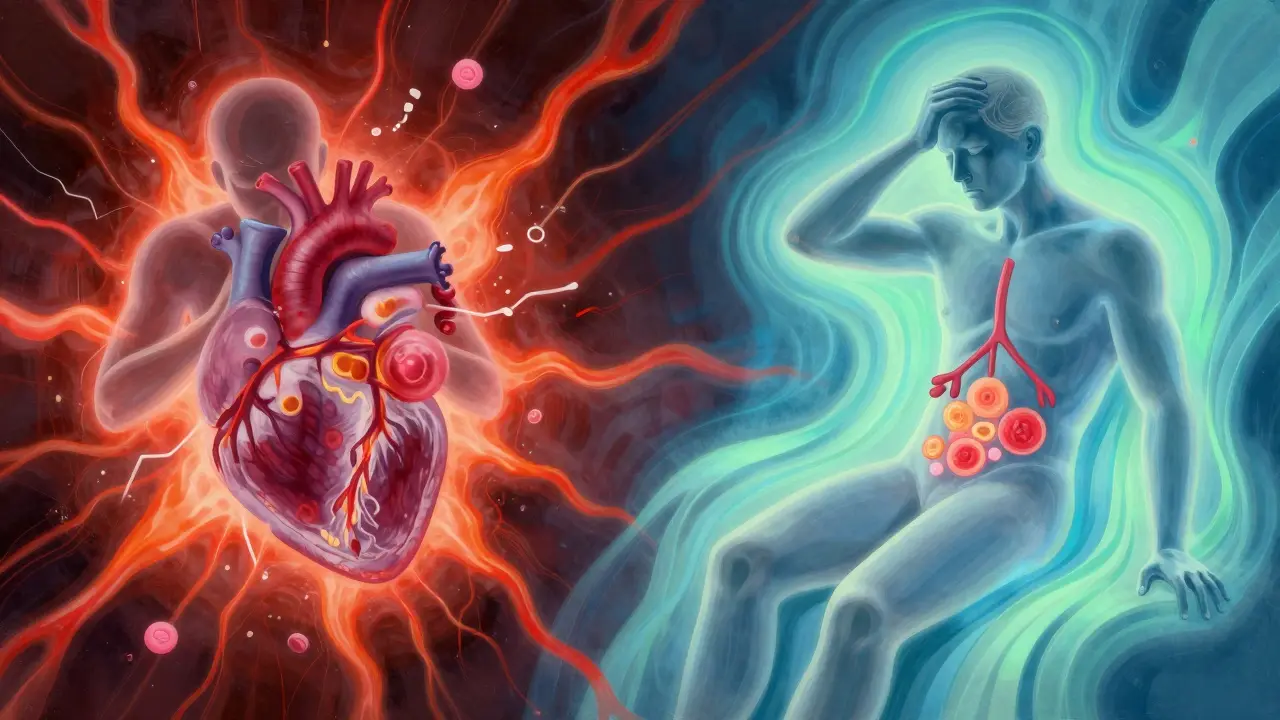
We usually think of stress as a bad mood or a tight chest. We treat it like an emotional problem to be fixed with a vacation or a deep breath. But that view misses the bigger picture. Stress is a biological event. When you are stressed, your body floods with chemicals that change how your heart beats, how your brain thinks, and how your cells repair themselves.
Most people know that reducing stress makes them feel better. That is obvious. But what happens inside your body when you lower your stress levels? The benefits go far beyond just feeling relaxed. They touch your DNA, your wallet, and your ability to solve complex problems. Let’s look at the science behind why turning down the volume on stress changes everything.
The Cortisol Connection and Physical Health
To understand the hidden benefits, we first need to talk about cortisol. This is the primary hormone released by your adrenal glands during times of stress. In short bursts, cortisol is helpful. It gives you energy to run from danger. But in our modern lives, we don’t run from tigers. We sit in traffic. We answer emails. So cortisol stays high for hours or days.
When you practice effective stress reduction, you are directly lowering your baseline cortisol levels. This single change triggers a chain reaction of physical improvements.
- Heart Health: High cortisol keeps your blood pressure elevated. Lowering stress allows your arteries to relax. Studies show that chronic stress increases the risk of hypertension by up to 30%. Reducing stress brings those numbers back down, easing the workload on your heart.
- Inflammation Control: Stress causes systemic inflammation. This is the root of many diseases, from arthritis to diabetes. When you reduce stress, your inflammatory markers, such as C-reactive protein, drop. Your body stops attacking itself.
- Digestive Relief: Your gut and brain are connected via the vagus nerve. Stress shuts down digestion to save energy for fighting threats. Calming your nervous system restores healthy gut motility and improves nutrient absorption.
You might not see these changes in a mirror, but they are happening at a cellular level every time you choose a calm response over a panicked one.
Cognitive Clarity and Decision Making
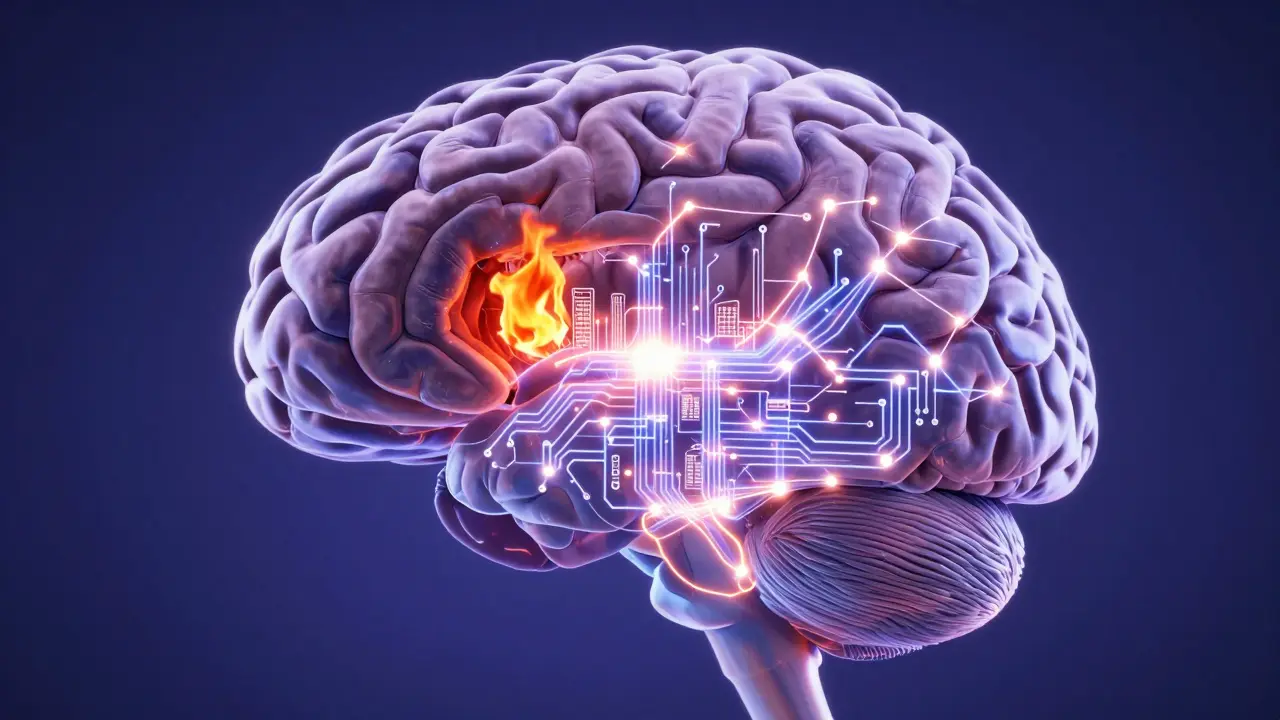
Have you ever tried to solve a difficult math problem while someone was yelling at you? It’s impossible. That’s because stress hijacks your prefrontal cortex. This is the part of your brain responsible for logic, planning, and decision-making. When stress hits, your brain shifts control to the amygdala, the fear center. You stop thinking and start reacting.
Reducing stress reverses this process. It brings control back to your prefrontal cortex. Here is what that looks like in real life:
- Better Focus: Without the background noise of anxiety, your attention span lengthens. You can read a long article or write code without constantly checking your phone.
- Improved Memory: High cortisol damages the hippocampus, the area of the brain where memories are stored. Regular relaxation practices have been shown to increase the size of the hippocampus, helping you remember facts and faces more clearly.
- Creative Problem Solving: Creativity requires a state of flow. Stress breaks flow. By managing stress, you create the mental space needed for innovative ideas to emerge. You stop seeing obstacles and start seeing solutions.
This isn’t just about feeling smart. It’s about making fewer costly mistakes at work and home. A clear mind saves money and time.
Immune System Resilience
Your immune system is your body’s defense force. Stress puts that force on alert, but it also drains its resources. Think of it like keeping your car engine revving in neutral. It burns fuel and wears out parts without going anywhere.
Research in psychoneuroimmunology shows that chronic stress suppresses the production of antibodies and white blood cells. This means you get sick more often. You catch the common cold faster. Wounds heal slower.
When you engage in consistent stress reduction techniques, you boost your immune function. Your body becomes better at fighting off viruses and bacteria. You spend less time in bed with a fever and more time living your life. For older adults, this is especially critical. Strong immunity reduces the risk of severe complications from infections.
Sleep Quality and Energy Levels
Poor sleep and stress form a vicious cycle. Stress keeps you awake. Lack of sleep makes you more reactive to stress the next day. Breaking this cycle is one of the most powerful things you can do for your health.
Stress reduction helps regulate your circadian rhythm. This is your internal clock that tells your body when to sleep and when to wake. Techniques like progressive muscle relaxation or mindfulness meditation signal to your brain that it is safe to shut down.
The result is deeper, more restorative sleep. You spend more time in REM (rapid eye movement) sleep, which is crucial for emotional processing and memory consolidation. You wake up feeling refreshed, not groggy. This natural energy boost reduces your reliance on caffeine and sugar crashes later in the day.

Emotional Regulation and Relationships
Stress doesn’t just affect you. It affects everyone around you. When you are stressed, you are irritable, short-tempered, and withdrawn. This strains relationships with partners, friends, and colleagues.
Learning to manage stress improves your emotional intelligence. You become better at recognizing your own emotions before they spiral out of control. You respond to conflicts with empathy instead of anger. This leads to stronger, healthier connections with the people you care about.
It also boosts your self-esteem. When you feel capable of handling pressure, you feel more confident. You take on new challenges rather than avoiding them. This sense of agency is key to personal growth and happiness.
| Aspect of Life | High Chronic Stress | Managed Stress |
|---|---|---|
| Physical Health | High blood pressure, frequent illness, weight gain | Stable vitals, strong immunity, balanced weight |
| Mental Performance | Brain fog, poor memory, impulsive decisions | Sharp focus, creative thinking, logical planning |
| Social Life | Irritability, isolation, conflict | Patience, connection, supportive networks |
| Energy Levels | Chronic fatigue, reliance on stimulants | Sustained energy, natural vitality |
Practical Steps to Reduce Stress Daily
You don’t need a month-long retreat to reap these benefits. Small, consistent actions make a big difference. Here are three evidence-based methods you can start today.
- Deep Breathing Exercises: Try the 4-7-8 technique. Inhale for 4 seconds, hold for 7, exhale for 8. This activates the parasympathetic nervous system, which calms your body down within minutes.
- Mindful Movement: You don’t need intense gym sessions. A 20-minute walk in nature lowers cortisol significantly. Yoga and tai chi combine movement with breath awareness, offering double benefits.
- Digital Detox: Set boundaries with your technology. Turn off notifications after 8 PM. Use screen-free zones in your home. Constant connectivity keeps your brain in a state of low-level alertness.
Consistency is key. Doing five minutes of breathing exercises every day is better than doing an hour once a week. Build these habits into your routine until they become automatic.
How quickly can I see the benefits of stress reduction?
Some benefits, like improved heart rate and a sense of calm, can happen within minutes of practicing relaxation techniques. However, significant changes in immune function, sleep quality, and cognitive performance typically require consistent practice over several weeks to months.
Is all stress bad for me?
No. Acute stress, which is short-term and triggered by immediate threats, can be beneficial. It sharpens focus and provides a burst of energy. The problem arises with chronic stress, which persists over long periods and has no clear endpoint, leading to physical and mental wear and tear.
Can stress reduction help with weight loss?
Yes. High cortisol levels promote fat storage, particularly around the abdomen. They also increase cravings for high-sugar and high-fat foods. By lowering stress, you reduce these hormonal drivers of weight gain, making it easier to maintain a healthy diet and exercise routine.
What is the best time of day to practice stress reduction?
There is no single best time. Morning routines can set a calm tone for the day. Mid-day breaks can reset your focus. Evening practices can improve sleep quality. The best time is whenever you can consistently fit it into your schedule without adding pressure.
Does meditation really change brain structure?
Yes. Neuroimaging studies have shown that regular meditation can increase gray matter density in areas associated with learning, memory, and emotion regulation. It can also decrease the size of the amygdala, reducing reactivity to stress. These changes demonstrate neuroplasticity, the brain's ability to rewire itself.