

You want better results from your workouts without burning out. Good news: small, focused changes beat random extra hours in the gym. This page gives practical steps you can use today to get stronger, faster, and recover better.
Focus on quality reps and progressive overload. Add weight, reps, or better form every week—pick one and stick with it for 3–6 sessions. Mix heavy days (strength), moderate days (power or tempo), and light days (technique or mobility). That variety builds muscle and reduces injury risk.
Include one hard interval session per week for speed and cardiovascular gains. Keep sessions short and intense: 20–30 minutes of intervals beats long slow cardio for most athletes. Reserve at least one full rest day or very light movement day to let your body reset.
Sleep is non-negotiable. Aim for 7–9 hours and keep a consistent bedtime. If you’re low on sleep, your strength, focus, and recovery suffer more than you think. Hydration matters too—sip fluids throughout the day and have electrolytes after long sessions.
Fuel smart around workouts. A simple pre-workout snack could be a banana with peanut butter or toast with honey 30–60 minutes before training. After training, reach for a 3:1 carb-to-protein snack within 45 minutes—yogurt and berries, a turkey sandwich, or a smoothie with milk and fruit. These choices speed muscle repair and refill energy.
Don’t underestimate hands-on care. A regular sports massage or targeted self-massage with a foam roller eases tight spots and speeds recovery. Short sessions focused on problem areas are more useful than long generalized massages.
Gut health and steady metabolism support energy and weight control. Simple steps—regular meals, fiber-rich foods, and fermented items like yogurt—help digestion and performance. If you feel bloated or sluggish regularly, try a food-check week: swap processed snacks for whole-food options and note changes.
Mindset and stress control change how you perform. Use short breathing drills, 5–10 minutes of mindfulness, or biofeedback tools to lower pre-competition nerves and sharpen focus. Being calm helps you execute skills under pressure, whether lifting or sprinting.
Quick practical checklist:
Start by improving one habit this week—maybe sleep or your post-workout snack. Small wins stack fast. Keep tracking what works, and adjust every two weeks. If pain or recurring fatigue shows up, see a professional rather than pushing through.
Want specific snack ideas, sleep tips, or recovery routines? Check the related posts on nutrition, mindfulness, sports massage, and stress management for step-by-step guides you can use right away.
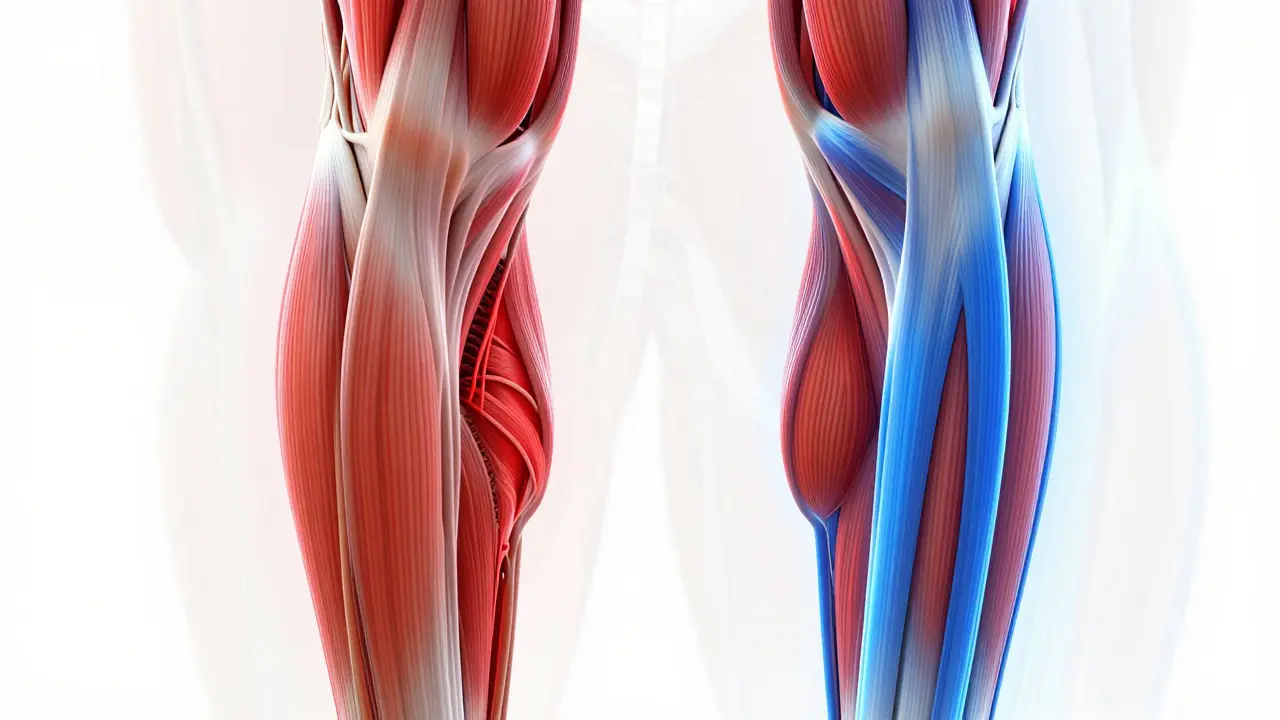
Discover how sports massage boosts endurance by improving circulation, flexibility, and recovery. Learn the science behind muscle efficiency and how to integrate massage into your training plan for peak performance.
Read More
Discover how sports massage optimizes fitness by accelerating muscle recovery, preventing injuries, and enhancing athletic performance through targeted soft tissue therapy.
Read More
Discover how sports massage boosts recovery, prevents injury, and enhances performance. Learn the key techniques, benefits, and how to integrate it into your routine.
Read More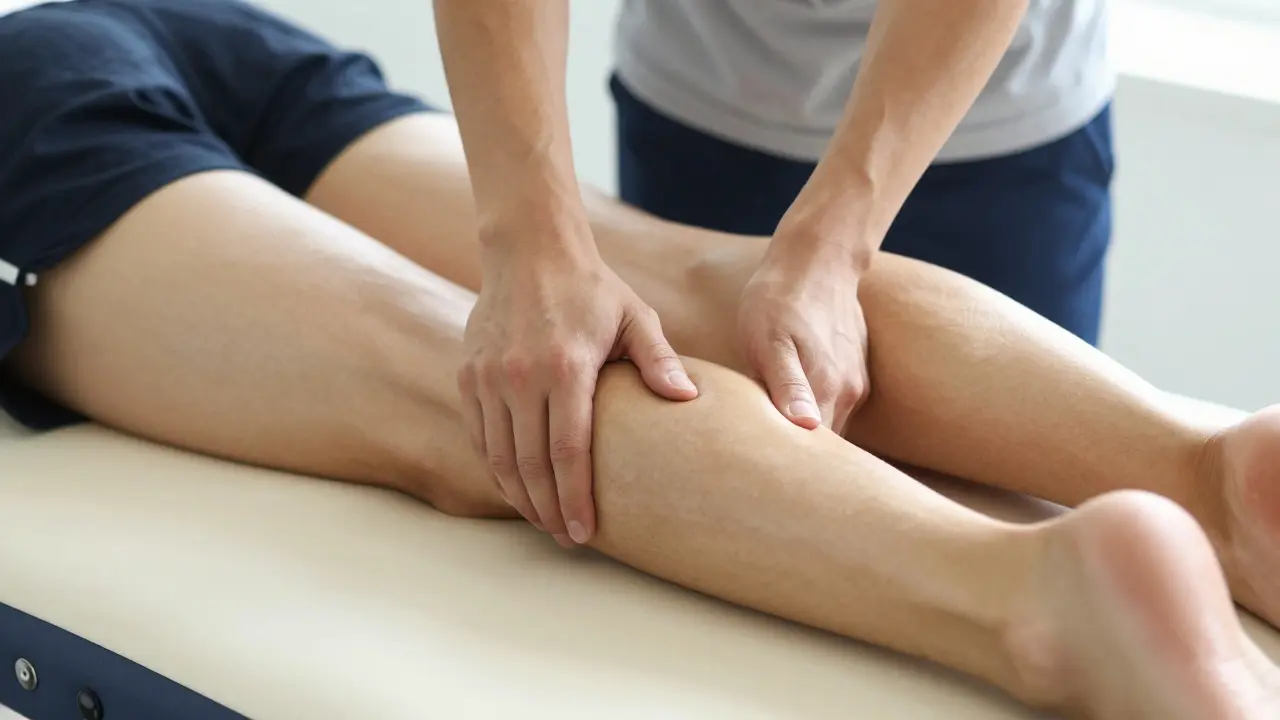
Discover why regular sports massage is essential for athletes to speed up muscle recovery, prevent injuries, and boost overall performance through targeted therapy.
Read More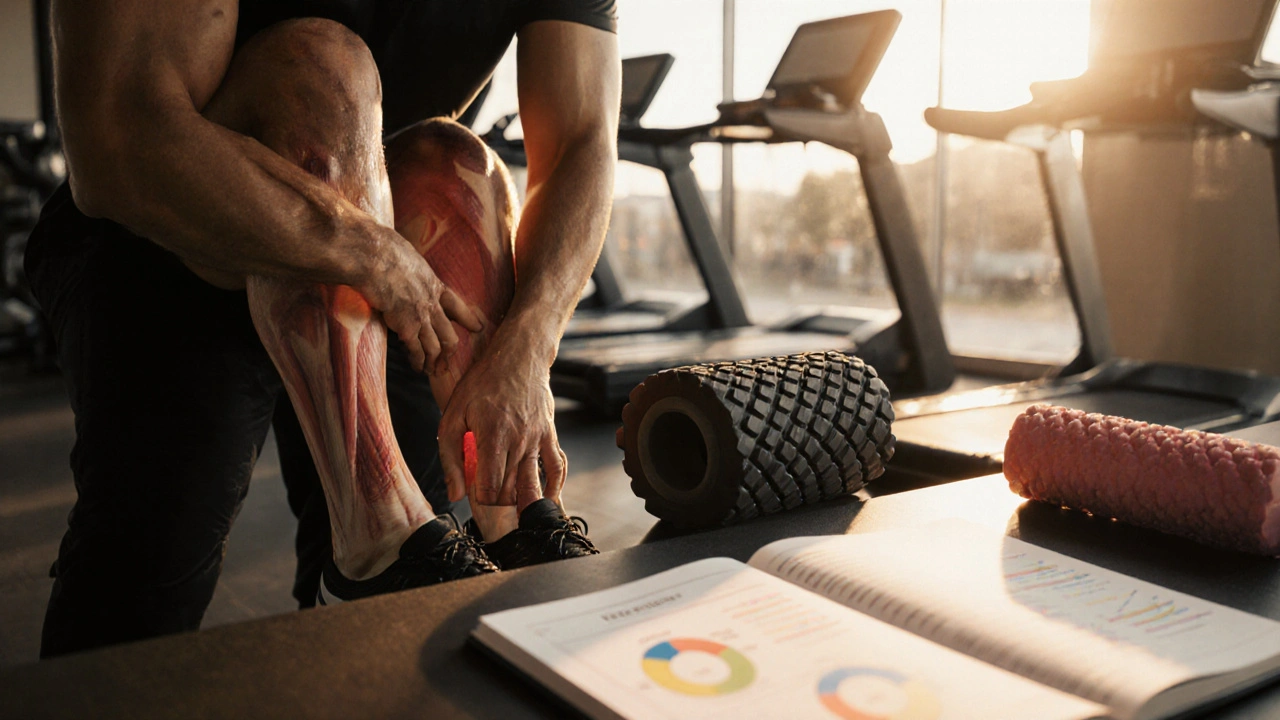
Sports massage boosts recovery, prevents injuries, and improves athletic performance by targeting tight muscles and improving circulation. Learn how it works, who benefits, and how often to get it.
Read More