

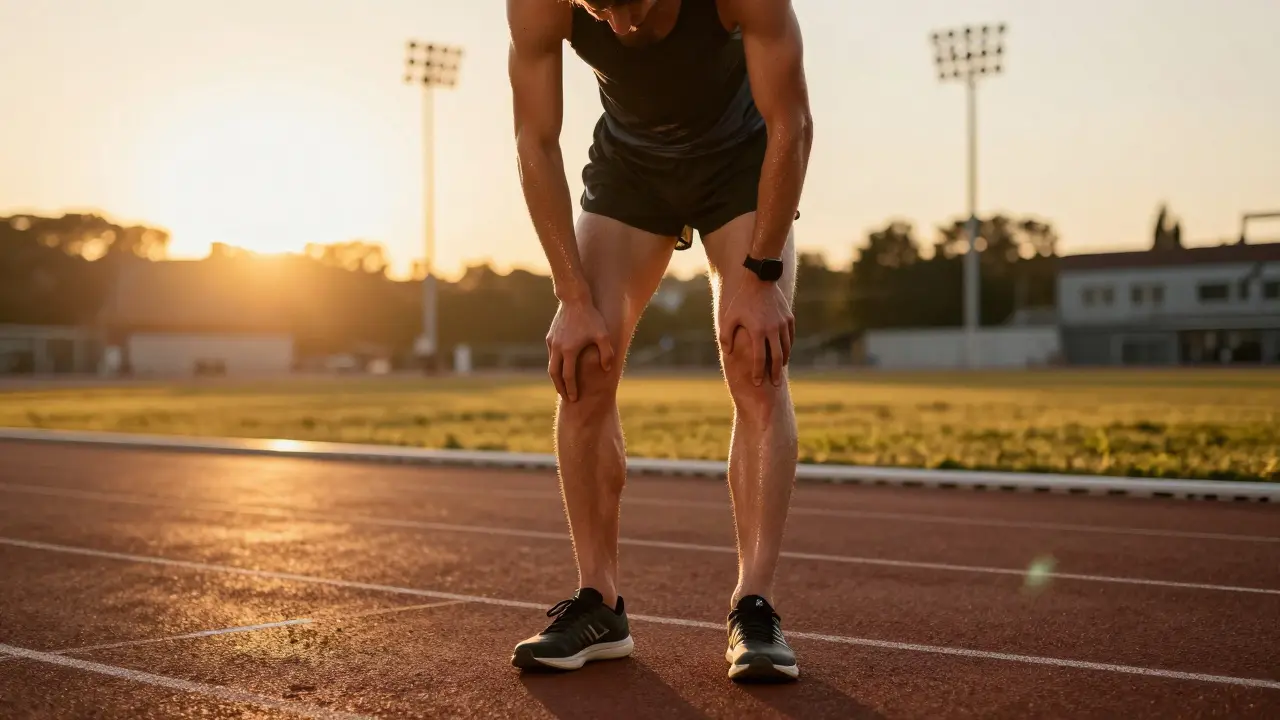
You just finished a grueling marathon. Your legs feel like lead, your hamstrings are screaming, and every step sends a sharp twinge up your thigh. You could ice it, rest, and wait for the pain to fade naturally. Or, you could book a sports massage is a specialized form of bodywork designed to enhance athletic performance, prevent injuries, and accelerate recovery. The difference isn't just comfort; it's the speed at which you get back in the game.
We often think of massage as a luxury spa treatment with soft music and lavender oil. That’s relaxation massage. Sports massage is different. It’s functional. It’s targeted. It treats the body like the high-performance machine it is. Whether you’re an elite athlete or someone who just wants to stop their lower back from hurting after gardening, understanding how this therapy works can change your approach to physical health entirely.
How Sports Massage Differs From Regular Massage
The first thing to understand is that sports massage isn’t defined by who gets it, but by what it does. A regular Swedish massage aims to relax the whole body, using long, gliding strokes to reduce stress and improve circulation. It’s gentle. It’s soothing. It’s great for unwinding after work.
Sports massage, however, focuses on specific areas of tension related to physical activity. If you’re a runner, your therapist will focus on your calves, hamstrings, and hips. If you’re a tennis player, they’ll target your shoulder, forearm, and back. The pressure varies-it can be light and stretching-oriented before an event, or deep and intense during recovery. The goal is never just "feeling good"; the goal is optimizing function.
| Feature | Swedish (Relaxation) Massage | Sports Massage |
|---|---|---|
| Primary Goal | Stress reduction, general relaxation | Performance enhancement, injury recovery |
| Pressure Level | Light to medium | Variable (light to very deep) |
| Focus Areas | Full body | Specific muscle groups used in sport/activity |
| Timing | Anytime | Pre-event, post-event, maintenance, rehab |
| Techniques Used | Effleurage, petrissage | Trigger point therapy, myofascial release, stretching |
The Four Phases of Sports Massage
Sports massage isn’t a one-size-fits-all service. It changes based on when you receive it relative to your physical activity. Therapists categorize these into four distinct phases, each with a specific purpose.
- Maintenance Massage: This is the baseline. You receive this regularly, even when you aren’t injured or competing. It keeps your muscles flexible, identifies minor issues before they become major injuries, and maintains optimal range of motion. Think of it like oiling the hinges on a door so they don’t squeak or stick.
- Pre-Event Massage: Done shortly before competition or heavy exertion. This session is short (10-15 minutes) and energetic. It uses brisk, stimulating strokes to increase blood flow, raise muscle temperature, and mentally prepare the athlete. It’s not about relaxing; it’s about waking up the tissues.
- Post-Event Massage: Performed within two hours of finishing an event. The intensity is moderate. The goal is to flush out metabolic waste products like lactic acid, reduce swelling, and begin the healing process. It helps return the heart rate and breathing to normal levels.
- Rehabilitative Massage: This is for when things go wrong. If you’ve strained a muscle or developed chronic tendonitis, this phase combines massage with therapeutic exercises. It breaks down scar tissue, reduces inflammation, and restores mobility to injured areas.
Key Techniques That Drive Results
A skilled sports massage therapist has a toolkit of techniques far more diverse than the standard stroking motions you might expect. Here are the most common methods you’ll encounter:
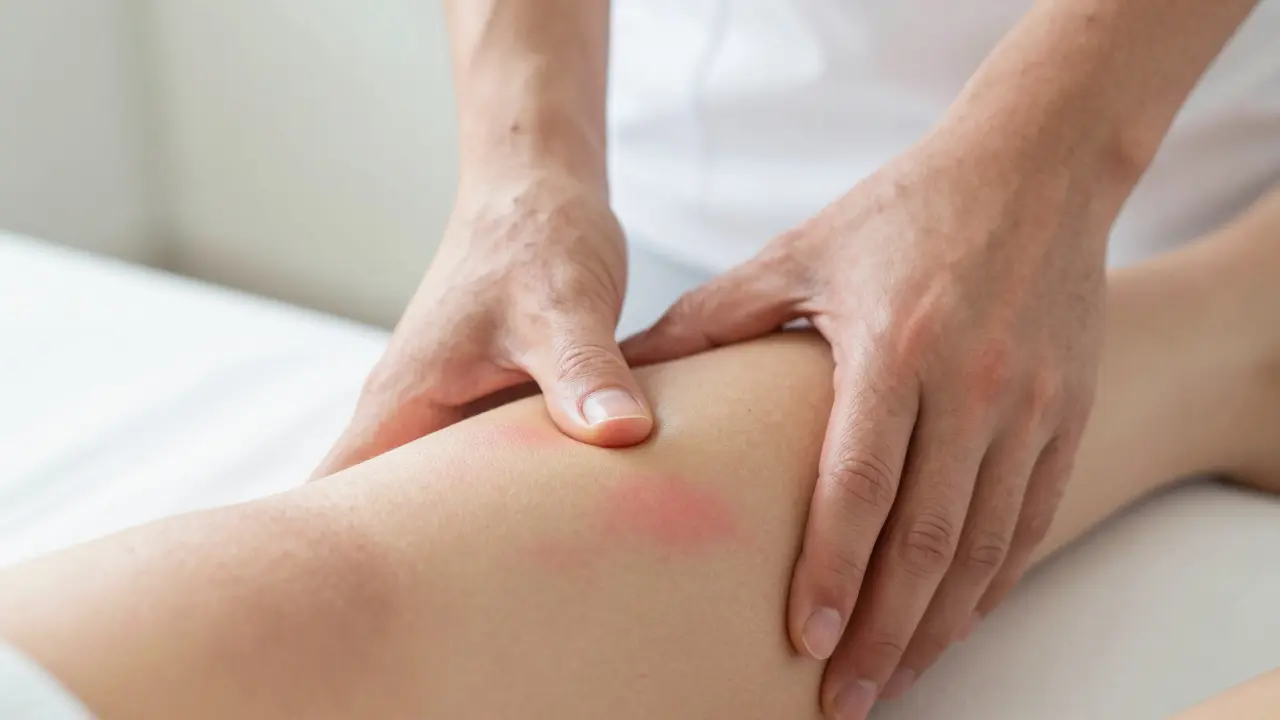
- Trigger Point Therapy: These are tight knots in your muscles that refer pain to other parts of the body. A therapist applies sustained pressure directly to these points to release the tension. It can be uncomfortable, but the relief afterward is significant.
- Myofascial Release: Fascia is the connective tissue surrounding your muscles. When it becomes tight or restricted, it limits movement. This technique involves slow, sustained stretches to loosen the fascia, improving flexibility without straining the muscle itself.
- Friction Massage: Deep, cross-fiber strokes are used to break down adhesions in tendons and ligaments. This is particularly useful for conditions like tennis elbow or Achilles tendonitis.
- Active Release Technique (ART): While technically a separate modality, many sports therapists incorporate ART principles. They move your joint through a specific range of motion while applying pressure to the muscle, effectively "scrubbing" the tissue free of restrictions.
Benefits Beyond Muscle Soreness
Most people know sports massage helps with soreness. But the benefits extend much deeper into your physiological system. Let’s look at what actually happens inside your body.
Improved Circulation: By mechanically compressing and releasing tissues, massage pumps blood through capillaries. Better blood flow means more oxygen reaches your muscles and waste products are removed faster. This speeds up recovery time significantly.
Reduced Inflammation: Chronic inflammation is the enemy of athletic performance. Studies have shown that regular massage can lower markers of inflammation in the body, such as cytokines. This doesn’t just help you recover faster; it may also protect against long-term wear and tear.
Enhanced Range of Motion: Tight muscles restrict how far you can move. By releasing tension in the hip flexors, shoulders, or hamstrings, you unlock your natural mobility. This is crucial for preventing injuries caused by compensatory movements-like rolling your ankle because your calf was too tight to absorb shock properly.
Mental Clarity: Physical tension creates mental stress. By releasing physical hold-ups, you reduce cortisol levels. Athletes report feeling more focused and less anxious before competitions after receiving pre-event massage.
Who Should Get Sports Massage?
You don’t need to run marathons to benefit from this therapy. While professional athletes are obvious candidates, the list of beneficiaries is much broader.
- Weekend Warriors: If you play soccer on Saturdays and spend Monday hunched over a desk, your body is under conflicting stresses. Sports massage helps bridge that gap.
- Gym Goers: Heavy lifting creates micro-tears in muscle fibers. Massage aids in the repair process, allowing you to train harder and more frequently.
- People with Sedentary Jobs: Sitting all day shortens hip flexors and weakens glutes. This imbalance leads to back pain. Sports massage can correct these postural imbalances.
- Individuals with Chronic Pain: Conditions like fibromyalgia or arthritis can be managed more effectively with regular soft-tissue work.
Finding the Right Therapist in Adelaide
Not all massage therapists are trained in sports-specific techniques. When looking for a provider, especially here in Adelaide, check their credentials. Look for certifications from recognized bodies like the Australian Association of Massage Therapists (AAMT) or specific diplomas in Remedial or Sports Massage.
Ask questions during your consultation. A good therapist will ask about your activity level, past injuries, and current goals. They shouldn’t just start rubbing your back immediately. They should explain what they’re doing and why. If you’re dealing with a specific injury, ensure they have experience treating that condition.
Also, consider the environment. While sports massage is clinical, it should still be comfortable. The room should be warm, clean, and private. Communication is key-if the pressure is too much, say so. If it’s not enough, ask for more. This is your body; you should be an active participant in the process.
Common Misconceptions About Sports Massage
There’s a lot of noise around massage therapy. Let’s clear up a few myths.
"It has to hurt to work." False. While deep tissue work can be intense, pain is not the goal. Discomfort is normal; sharp pain is not. If you’re grimacing, tell your therapist. Effective massage should leave you feeling released, not bruised.
"It only helps athletes." Incorrect. As mentioned, anyone with a body that moves can benefit. Office workers, parents, and retirees all carry tension that sports massage can address.
"One session fixes everything." Unlikely. Unless it’s a minor acute issue, chronic tension takes time to resolve. Consistency is key. Maintenance massages every 4-6 weeks are far more effective than waiting until you’re in agony.
Integrating Massage Into Your Routine
To get the most out of sports massage, combine it with other recovery strategies. Hydration is critical-drink plenty of water before and after your session to help flush out toxins released from the tissues. Stretching lightly after a massage can lock in the increased flexibility. And listen to your body. If you feel sore the next day, use heat or gentle movement to ease it.
Think of sports massage as part of your training regimen, not an extra. Just as you schedule workouts, schedule your recovery. Your body will thank you with better performance, fewer injuries, and a higher quality of life.
How often should I get a sports massage?
For maintenance, once a month is a good starting point. During intense training periods or competition seasons, weekly or bi-weekly sessions may be beneficial. If you are recovering from an injury, your therapist may recommend more frequent visits initially, tapering off as you heal.
Does sports massage help with weight loss?
No, massage does not burn fat. However, it can support weight loss indirectly by reducing stress hormones like cortisol, which can contribute to abdominal fat storage, and by improving sleep quality, which regulates hunger hormones.
Can I get a sports massage if I am pregnant?
Yes, but it must be performed by a therapist trained in prenatal massage. Certain techniques and positions are unsafe during pregnancy. Always consult your doctor before starting any new therapy.
What should I wear to a sports massage appointment?
Wear comfortable, loose-fitting clothing that allows easy access to the areas being treated. Many therapists provide draping sheets for modesty. You may be asked to remove shoes and socks, and possibly underwear depending on the area being worked on, but you should always feel comfortable and informed.
Is sports massage covered by health insurance?
Coverage varies by provider and policy. Some private health insurers in Australia cover remedial or sports massage if referred by a GP or physiotherapist. Check with your insurer beforehand to understand your benefits and any claim requirements.