

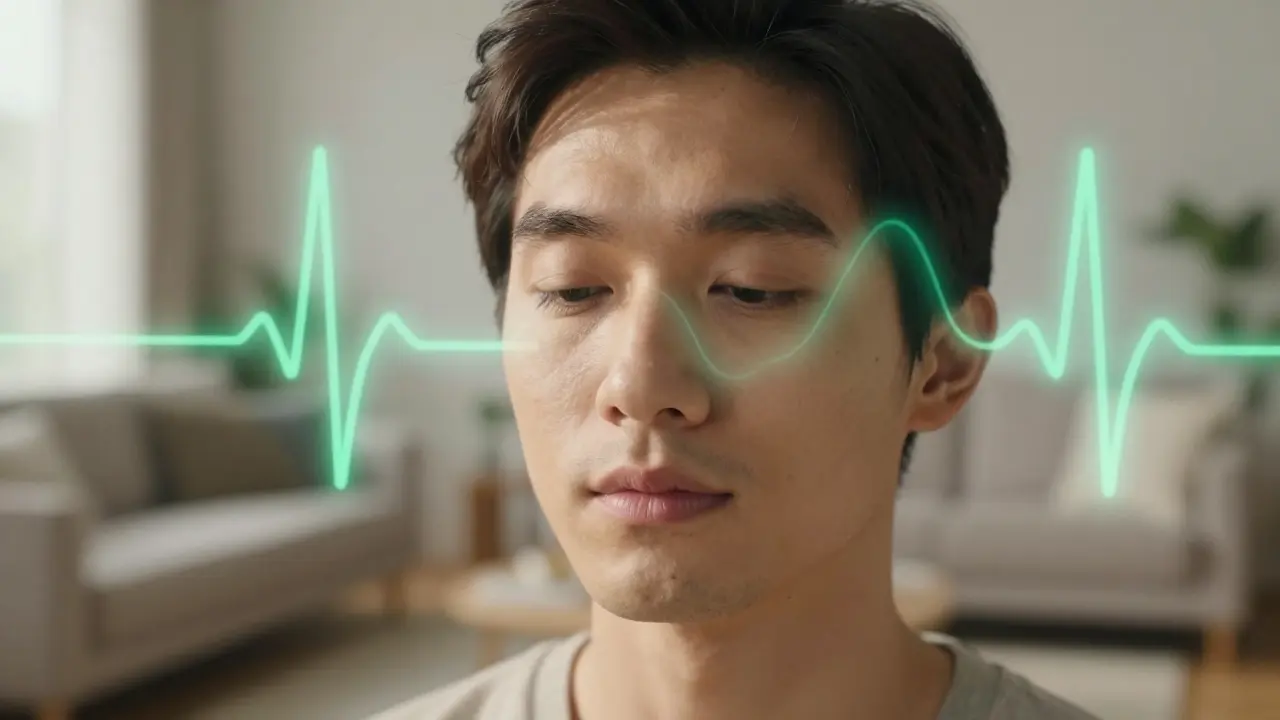
Imagine being able to see your anxiety on a screen. Not just as a vague feeling in your chest, but as a rising line on a graph that you can actively pull down using nothing but your breath. This isn’t science fiction; it’s biofeedback. In recent years, this once-niche therapeutic technique has exploded into the mainstream, moving from clinical labs to living rooms and corporate wellness programs. By May 2026, biofeedback is no longer just an alternative option-it’s becoming a standard tool for managing stress, pain, and mental health.
We are seeing a shift away from passive treatments toward active self-regulation. People don’t just want pills or prescriptions anymore; they want agency over their own bodies. Biofeedback provides exactly that. It bridges the gap between the mind and the body, offering tangible data that proves relaxation is a skill you can learn, not just a state you hope for.
Key Takeaways
- Biofeedback uses real-time data from bodily functions (like heart rate and muscle tension) to teach users how to control involuntary processes.
- It is highly effective for treating anxiety, chronic pain, migraines, and high blood pressure without medication side effects.
- Consumer-grade wearables have made basic biofeedback accessible, though clinical devices offer deeper precision for medical conditions.
- Heart Rate Variability (HRV) training is currently the most popular form of biofeedback for general wellness and stress resilience.
- Success requires consistent practice; it is a learned skill similar to physical exercise, not a one-time fix.
What Is Biofeedback and How Does It Work?
To understand why biofeedback is gaining such traction, we first need to strip away the jargon. At its core, Biofeedback is a mind-body technique that helps people improve health by learning to control physiological processes. Normally, functions like your heart rate, breathing pattern, and skin temperature happen automatically. You don’t think about them. Biofeedback makes these invisible processes visible.
Here is the simple mechanism: sensors attach to your body to measure specific signals. These signals are converted into easy-to-understand visual or auditory cues-like a bar rising on a screen or a tone changing pitch. When you relax, the cue changes positively. Over time, you learn to recognize the subtle physical sensations associated with that relaxed state. Eventually, you can trigger that relaxation without the machine at all.
This process relies on operant conditioning, a psychological principle where behavior is modified by rewards. In this case, the "reward" is the immediate feedback that tells you, "Yes, that’s right, keep doing that." It turns abstract concepts like "calm down" into concrete actions.
The Main Types of Biofeedback Therapy
Not all biofeedback is created equal. Different types target different bodily systems, making them suitable for various health goals. Understanding which type fits your needs is crucial for getting results.
- Electromyography (EMG): Measures muscle tension. This is often used for chronic pain, headaches, and posture issues. If you clench your jaw when stressed, EMG biofeedback shows you exactly how tight those muscles are and guides you to release them.
- Thermal Biofeedback: Monitors skin temperature. Stress causes blood vessels to constrict, cooling the hands. Learning to warm your hands through relaxation techniques is a powerful way to reduce sympathetic nervous system arousal.
- Electrodermal Activity (EDA): Tracks sweat gland activity. Since sweating is linked to emotional arousal, EDA is excellent for anxiety management and performance enhancement.
- Respiratory Biofeedback: Focuses on breathing patterns. It helps correct shallow or irregular breathing, promoting diaphragmatic breathing which activates the parasympathetic nervous system.
- Neurofeedback (EEG): The most advanced form, monitoring brain waves. It’s used for ADHD, PTSD, sleep disorders, and optimizing cognitive performance.
Among these, Heart Rate Variability (HRV) biofeedback has seen the biggest surge in popularity. HRV measures the variation in time between each heartbeat. A higher HRV indicates a resilient, healthy nervous system capable of adapting to stress. Low HRV is linked to burnout, depression, and cardiovascular disease. Because HRV is a strong marker of overall well-being, it has become the go-to metric for both clinicians and consumers.
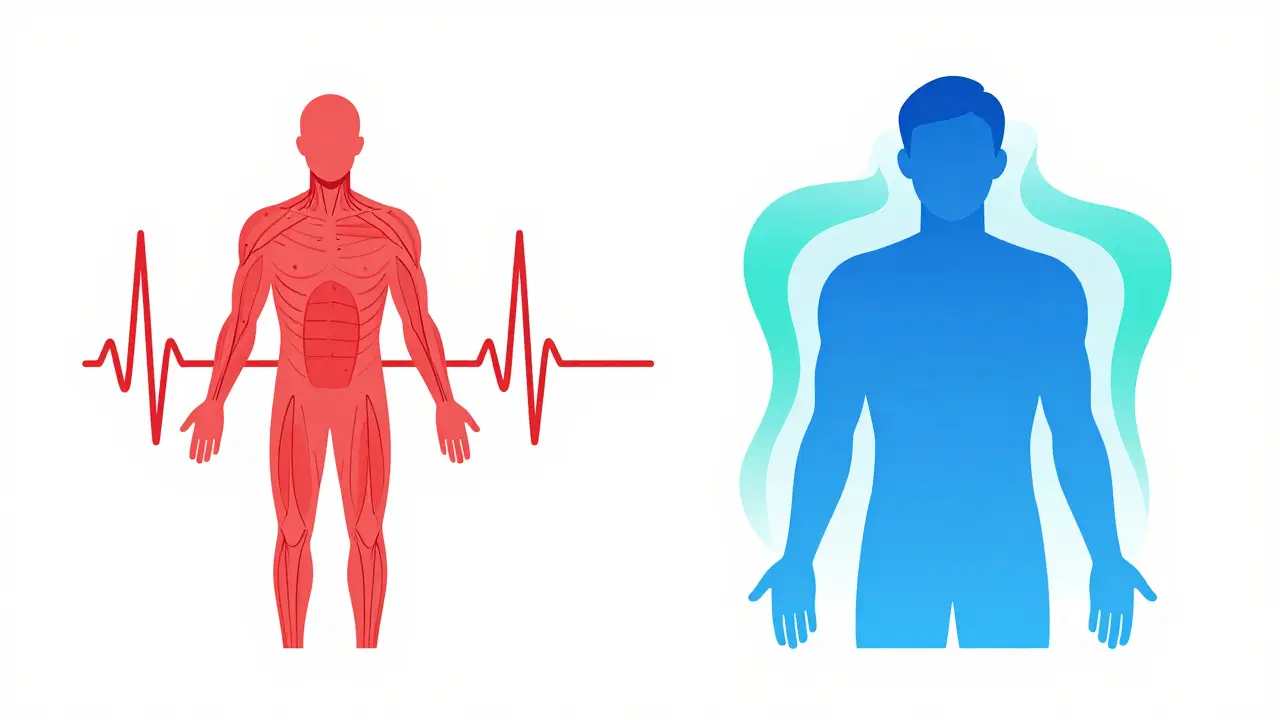
Why Is Biofeedback Gaining Popularity Now?
The rise of biofeedback isn’t accidental. Several converging trends have fueled its adoption since 2023, accelerating significantly by 2025 and 2026.
First, there is a growing skepticism toward pharmaceutical interventions for mental health. While medications are vital for many, they come with side effects and dependency risks. Biofeedback offers a drug-free alternative with no known adverse effects other than temporary frustration if sessions aren’t conducted properly. Patients want to feel empowered, not sedated.
Second, technology has democratized access. Ten years ago, biofeedback required expensive clinic visits. Today, smartphone apps paired with Bluetooth sensors allow users to do HRV training at home. Wearable tech giants have integrated biofeedback features into their ecosystems, normalizing the concept of tracking internal states alongside steps and calories.
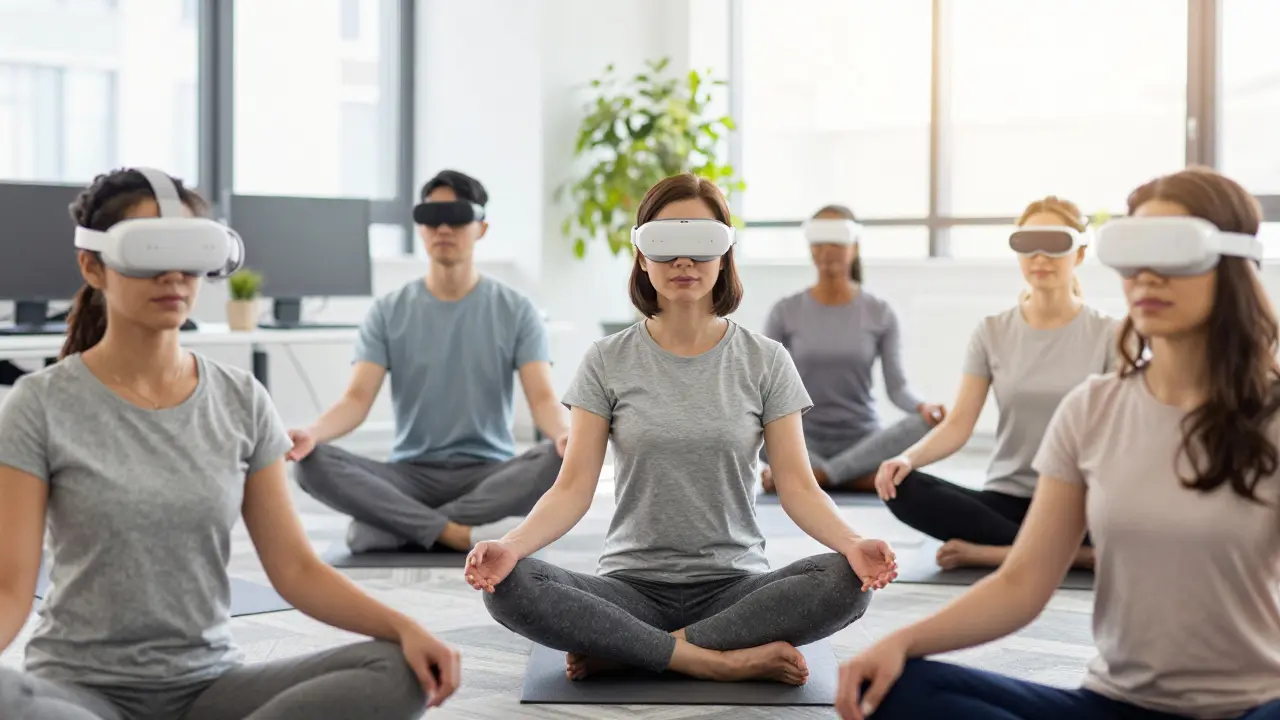
Third, the workplace is changing. Corporate wellness programs are shifting from generic gym memberships to targeted stress reduction. Companies are investing in biofeedback stations because reduced employee burnout translates directly to productivity. In Perth and globally, offices are installing quiet pods equipped with biofeedback headsets for mid-day resets.
Finally, scientific validation has caught up with anecdotal evidence. Major health organizations now recognize biofeedback as an evidence-based treatment for conditions like hypertension, migraine prevention, and generalized anxiety disorder. Insurance coverage has expanded, removing financial barriers for many patients.
Biofeedback vs. Traditional Relaxation Techniques
You might wonder: why use biofeedback when meditation and deep breathing are free? The difference lies in feedback and objectivity.
When you meditate, you’re guessing whether you’re relaxed. You might feel calm, but your heart rate could still be elevated due to underlying stress. Biofeedback removes the guesswork. It provides objective data. If the screen says you’re tense, you’re tense, even if you feel fine. This discrepancy is valuable-it reveals unconscious stress patterns you wouldn’t otherwise notice.
Moreover, biofeedback accelerates learning. Studies show that clients achieve significant reductions in anxiety symptoms faster with biofeedback-assisted relaxation than with unassisted methods alone. The visual reinforcement creates a stronger neural pathway for the relaxation response.
| Feature | Biofeedback | Meditation/Yoga |
|---|---|---|
| Feedback Mechanism | Real-time data (visual/audio) | Subjective feeling |
| Learning Curve | Faster due to immediate correction | Slower, requires intuition |
| Cost | Higher (device/session fees) | Low to Free |
| Best For | Clinical conditions, precise control | General mindfulness, lifestyle |
| Evidence Base | Strong for specific disorders | Moderate to Strong for general health |
Who Can Benefit From Biofeedback?
Biofeedback is versatile, but it shines brightest for specific groups. Here’s who should consider it:
- Anxiety Sufferers: Those with Generalized Anxiety Disorder (GAD) or panic attacks find relief by learning to interrupt the fight-or-flight response.
- Chronic Pain Patients: Individuals with fibromyalgia, lower back pain, or arthritis use EMG biofeedback to reduce muscle guarding and tension.
- Migraine Sufferers: Thermal and HRV biofeedback can reduce the frequency and intensity of migraines by regulating vascular responses.
- High Performers: Athletes, executives, and musicians use neurofeedback and HRV to optimize focus and prevent burnout.
- Hypertension Patients: Biofeedback is an effective adjunct therapy for lowering blood pressure naturally.
It’s also helpful for children. Neurofeedback is increasingly used for ADHD, teaching kids to sustain attention without relying solely on stimulants. The gamified nature of biofeedback makes it engaging for younger audiences.
Getting Started: Clinical vs. Consumer Options
If you’re interested in trying biofeedback, you have two paths: professional clinical sessions or consumer-grade devices.
Clinical Biofeedback: Conducted by certified practitioners (look for BCIA certification). This is ideal for diagnosed conditions. Sessions typically last 30-60 minutes, 1-2 times per week. A full course might involve 10-20 sessions. Costs vary, but insurance often covers part of it if prescribed for a covered condition. The advantage is personalized protocol design and expert guidance.
Consumer Biofeedback: Apps like Elite HRV, Welltory, or hardware like Muse headsets offer at-home solutions. These are great for maintenance, stress management, and general wellness. They lack the diagnostic depth of clinical tools but provide daily habit-building opportunities. Expect to pay $50-$200 for devices and subscription fees for apps.
For beginners, I recommend starting with HRV biofeedback via a reputable app. It’s safe, easy to learn, and provides immediate gratification. If you have a specific medical condition, consult a healthcare provider before investing in consumer gear-they may refer you to a specialist.
Pitfalls and What to Avoid
Biofeedback is powerful, but it’s not magic. Common mistakes include expecting instant cures and neglecting consistency. Biofeedback is a skill. Like playing piano, you need regular practice to retain proficiency. Doing one session won’t rewire your nervous system.
Also, beware of over-reliance on the device. The goal is to internalize the skills so you don’t need the sensor. If you can only relax when looking at a screen, you haven’t fully mastered the technique. Use the device as a teacher, then gradually fade it out.
Another pitfall is choosing low-quality sensors. Cheap chest straps or finger clips may give inaccurate readings, leading to frustration. Invest in validated equipment if possible. Check reviews and look for devices endorsed by health professionals.
The Future of Biofeedback
As we move further into 2026, biofeedback is becoming more integrated into digital health platforms. AI algorithms are beginning to predict stress episodes based on historical biofeedback data, sending proactive alerts to breathe or rest. Virtual Reality (VR) combined with biofeedback is creating immersive environments where users can visualize their calm state, enhancing the learning effect.
We’re also seeing biofeedback embedded in everyday objects. Smart chairs that adjust firmness based on muscle tension, or desks that prompt breaks when stress markers rise. The future is ambient biofeedback-subtle, continuous support woven into our daily lives.
This technology represents a fundamental shift in healthcare: from reactive to proactive, from passive to active. You are not just a patient receiving care; you are an active participant in your own healing. That empowerment is why biofeedback is rising-and why it’s here to stay.
Is biofeedback safe for everyone?
Biofeedback is generally very safe with no known serious side effects. However, individuals with severe psychiatric conditions, seizures, or certain cardiovascular issues should consult a doctor before starting, especially with neurofeedback or intense relaxation protocols. It’s non-invasive, but professional guidance ensures it’s appropriate for your specific health profile.
How long does it take to see results from biofeedback?
Results vary by individual and condition. Some people feel calmer after the first session. For chronic issues like anxiety or pain, noticeable improvements often occur after 4-8 weeks of regular practice (2-3 times per week). Consistency is key; sporadic use yields minimal benefits.
Does insurance cover biofeedback therapy?
Coverage depends on your plan and location. Many insurers cover biofeedback if prescribed by a physician for covered conditions like hypertension, migraines, or anxiety. Consumer devices and apps are rarely covered. Always check with your provider beforehand and ask for a referral to a certified practitioner to maximize reimbursement chances.
Can I do biofeedback at home effectively?
Yes, for general stress management and wellness, home biofeedback is highly effective. Consumer apps and devices guide you through HRV and respiratory training. For complex medical or psychological conditions, initial clinical sessions are recommended to establish proper techniques before transitioning to home practice.
What is the difference between biofeedback and neurofeedback?
Biofeedback is an umbrella term for monitoring any bodily function. Neurofeedback is a specific type of biofeedback that focuses exclusively on brain wave activity (EEG). While biofeedback might track heart rate or muscle tension, neurofeedback targets cognitive functions like attention, memory, and mood regulation.