
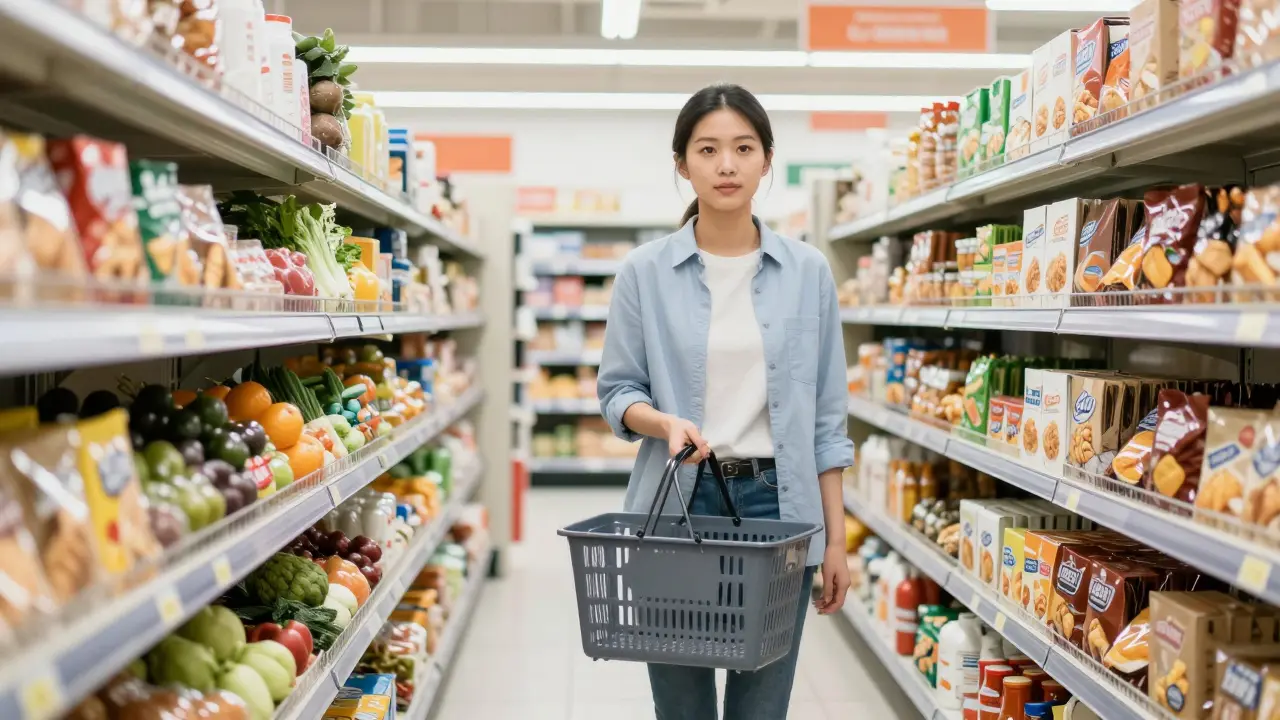
You stand in aisle four, staring at a wall of colorful boxes. Your stomach growls, but your brain is foggy from decision fatigue. You grab the first thing that looks tasty, only to realize later it was mostly sugar and empty calories. This happens to almost everyone. The modern grocery store is designed to make impulse buying easy and healthy eating difficult. But picking nutritious snacks doesn’t have to be a chore or require a degree in dietetics.
Choosing healthy snacks is less about willpower and more about strategy. It’s about understanding what you’re actually eating and navigating the store layout with intention. When you know how to read labels and identify real food, the process becomes second nature. You stop guessing and start fueling your body properly between meals.
The Psychology of Snack Shopping
Grocery stores are not random collections of products; they are carefully engineered environments. Marketers place high-margin, low-nutrient items at eye level and near checkout counters. These spots are prime real estate for impulse buys like candy bars, chips, and sugary drinks. Meanwhile, fresh produce and whole grains are often pushed to the perimeter or lower shelves, requiring more effort to reach.
To counter this, you need to shift your mindset before you even enter the store. Hunger is the enemy of good snack choices. Never shop for snacks when you are starving. If you go in hungry, your brain will prioritize immediate gratification over long-term health. Eat a balanced meal beforehand so you can evaluate options objectively. Bring a list if possible, but keep it flexible enough to allow for seasonal fruits or new vegetable varieties you might want to try.
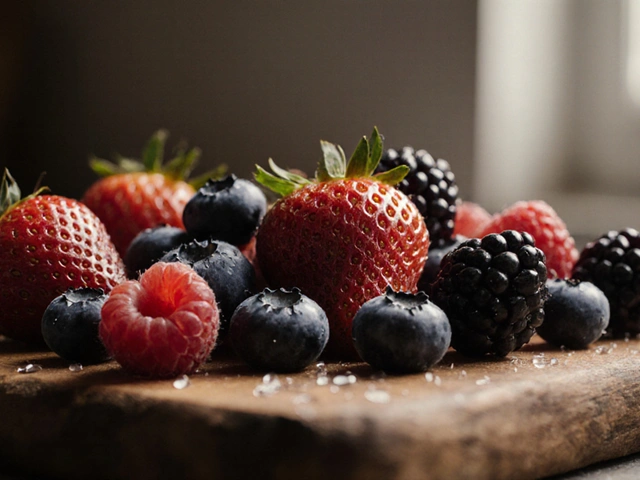
Another psychological trick is to focus on volume rather than density. Whole foods take up more space in your stomach than processed snacks. A large bag of air-popped popcorn or a bowl of berries provides more physical satisfaction than a small handful of nuts or a granola bar. This helps prevent overeating later because you feel genuinely satiated.
Decoding the Label: What Really Matters
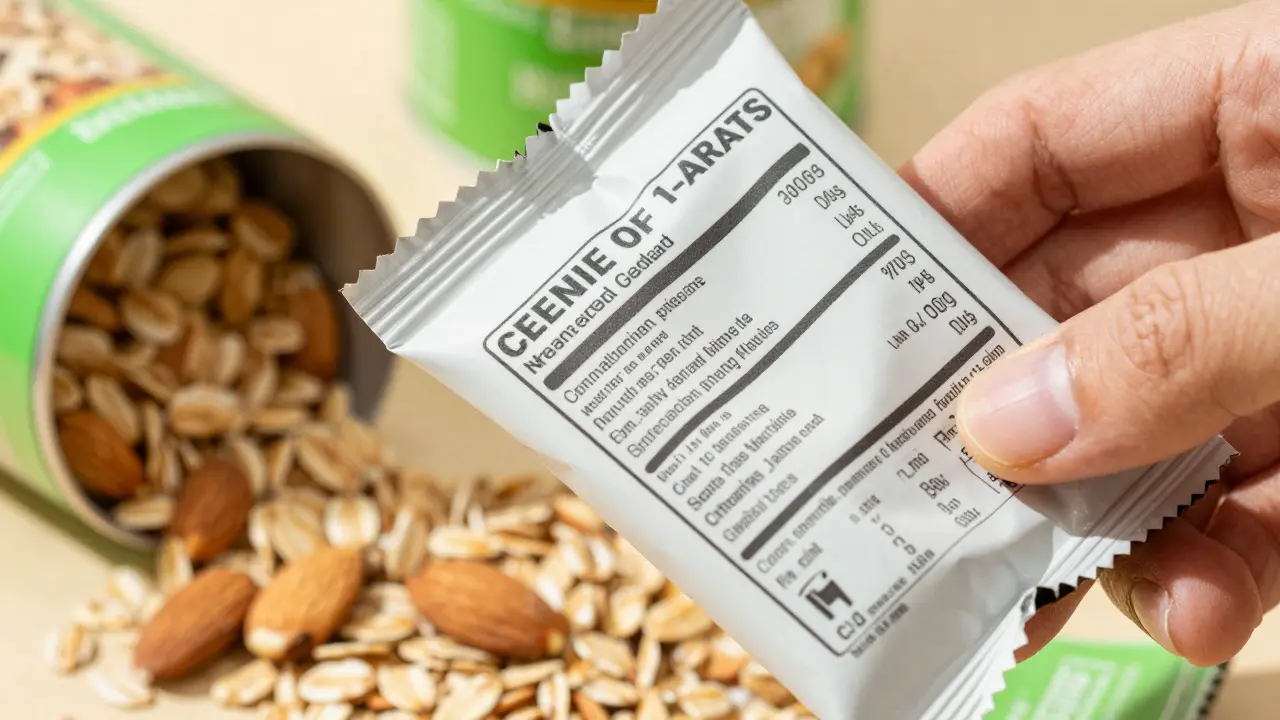
Packaged snacks can be deceiving. Terms like "natural," "whole grain," and "low fat" sound healthy but often hide high amounts of added sugars, sodium, or unhealthy fats. The front of the package is marketing; the back is reality. Always flip the box over and look at the Nutrition Facts panel and ingredient list.
Start with the ingredient list. Ingredients are listed by weight, meaning the first three items make up the bulk of the product. If the first item is sugar, corn syrup, or refined flour, put it back. Look for recognizable ingredients like oats, almonds, dark chocolate, or dried fruit. If you can’t pronounce an ingredient or don’t know what it is, it’s probably highly processed.
| Metric | What to Look For | Red Flags |
|---|---|---|
| Fiber | At least 3-5 grams per serving | Less than 1 gram (indicates refined carbs) |
| Added Sugars | Under 5 grams per serving | Over 10 grams or multiple types of sugar listed |
| Protein | At least 5-10 grams per serving | Less than 2 grams (unless it's a fruit/veg snack) |
| Sodium | Under 200mg per serving | Over 400mg (common in chips and crackers) |
Fiber is crucial for satiety and blood sugar stability. Aim for snacks with at least 3 grams of fiber. Protein also plays a key role in keeping you full. A snack with both fiber and protein will keep your energy levels steady for hours. Avoid products where added sugars sneak in under different names like cane juice, maltodextrin, or dextrose. Even "healthy" snacks like granola bars can contain as much sugar as candy bars.
Building a Balanced Snack Plate
A truly healthy snack combines macronutrients: carbohydrates, protein, and fat. Carbs provide quick energy, protein builds and repairs tissue, and fat supports hormone function and keeps you full. Combining these elements creates a balanced bite that prevents crashes later.
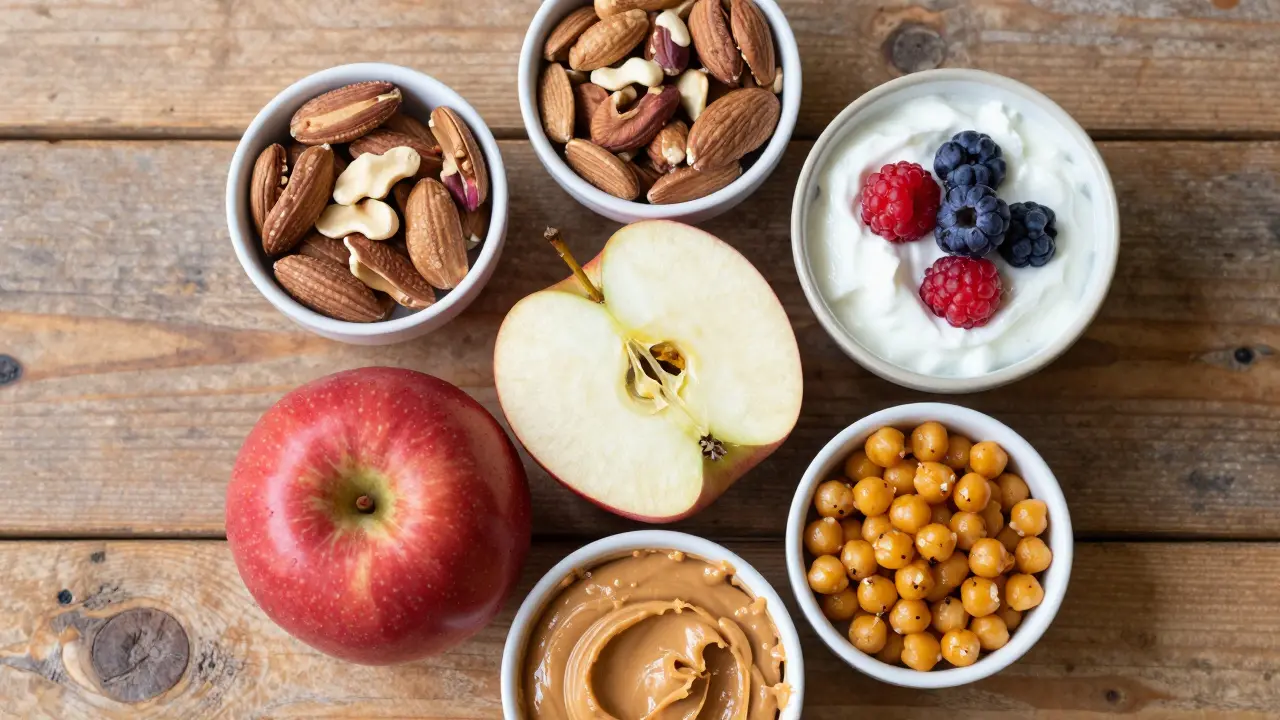
Think of the classic apple and peanut butter combo. The apple offers natural sugars and fiber, while the peanut butter adds protein and healthy fats. This simple pairing stabilizes blood sugar better than either component alone. Other great combinations include carrot sticks with hummus, Greek yogurt with berries, or whole-grain crackers with cheese.
Don’t underestimate the power of hydration. Sometimes thirst masquerades as hunger. Before reaching for a snack, drink a glass of water. Wait ten minutes. If you’re still hungry, then eat. Often, this simple step eliminates unnecessary snacking entirely.
Top Healthy Snack Categories to Explore
Not all snacks are created equal. Some categories consistently offer better nutritional value than others. Here are five reliable categories to explore when stocking your pantry or fridge.
- Nuts and Seeds are nutrient-dense sources of healthy fats, protein, and minerals. Almonds, walnuts, pumpkin seeds, and chia seeds are excellent choices. Watch portion sizes, though, as they are calorie-dense. A small handful (about one ounce) is usually sufficient.
- Fresh Fruits and Vegetables are low-calorie, high-volume foods packed with vitamins and antioxidants. Berries, apples, bananas, baby carrots, cucumber slices, and bell pepper strips are versatile and satisfying. Pair them with a dip or nut butter for extra staying power.
- Dairy and Alternatives such as Greek yogurt, cottage cheese, and kefir provide high-quality protein and probiotics. Choose plain versions and add your own sweeteners like honey or fruit to control sugar intake. For dairy-free options, look for unsweetened soy or almond yogurts fortified with calcium.
- Legumes like chickpeas, edamame, and lentils offer complex carbs and plant-based protein. Roasted chickpeas make a crunchy alternative to chips, while steamed edamame is perfect for savory cravings. They are also affordable and shelf-stable in canned form.
- Whole Grains including oats, quinoa, and brown rice provide sustained energy through slow-digesting carbohydrates. Air-popped popcorn is a whole grain that expands significantly, offering volume without excessive calories. Look for crackers made from sprouted grains or 100% whole wheat.
Preparation Strategies for Busy Lives
Healthy snacking requires some upfront effort. If you rely solely on convenience stores, your options will be limited to processed items. Preparing snacks at home takes time but pays off in health and savings. Spend thirty minutes on Sunday washing, cutting, and portioning fruits and vegetables. Store them in clear containers so they are visible and ready to grab.
Batch-cook hard-boiled eggs or roast chickpeas with spices for a savory crunch. Keep single-serving packets of nuts or seeds in your desk drawer or car glove compartment. Having healthy options readily available reduces the temptation to buy vending machine fare when hunger strikes unexpectedly.
Consider using mason jars for layered salads or overnight oats. These portable snacks can last several days in the refrigerator and require no preparation in the morning. Layering ingredients correctly-dressing at the bottom, sturdy veggies in the middle, delicate greens on top-ensures freshness until you’re ready to eat.
Common Pitfalls to Avoid
Even well-intentioned shoppers fall into traps. One common mistake is assuming "fat-free" means healthy. Often, manufacturers remove fat and replace it with sugar to maintain flavor. Another pitfall is relying too heavily on packaged "health" foods like protein bars or dried fruit mixes. Many contain hidden additives or excessive sugar.
Portion distortion is another issue. A bag of chips might say "only 150 calories per serving," but the entire bag contains six servings. Eating straight from the container leads to consuming hundreds of extra calories without realizing it. Pre-portion snacks into small bowls or bags to avoid mindless overeating.
Finally, don’t demonize treats completely. Deprivation leads to bingeing. Allow yourself occasional indulgences in moderation. The goal is balance, not perfection. If you crave chocolate, choose a square of dark chocolate with at least 70% cocoa content. It satisfies the craving with fewer calories and added antioxidants.
Seasonal and Local Considerations
Shopping seasonally enhances flavor and nutrition. Produce harvested at peak ripeness contains higher levels of vitamins and minerals compared to items shipped long distances. In summer, take advantage of fresh berries, stone fruits, and zucchini. In winter, root vegetables, citrus fruits, and pomegranates are abundant and affordable.
Local farmers' markets are excellent resources for unique, high-quality snacks. You can often find heirloom varieties of fruits and vegetables that aren’t available in supermarkets. Talking directly to growers gives you insight into how produce was grown, allowing you to make informed decisions about pesticide use and sustainability.
Supporting local agriculture also reduces environmental impact. Food miles contribute significantly to carbon emissions. By choosing locally sourced items, you support your community and reduce your ecological footprint. Plus, fresher produce tastes better, making healthy snacking more enjoyable.
What is the healthiest snack to buy at the grocery store?
There is no single "best" snack, but raw nuts, fresh fruits, and plain Greek yogurt are consistently among the top choices. They offer high nutrient density, minimal processing, and a good balance of macronutrients. Look for unsalted, unflavored varieties to avoid added sodium or sugar.
How do I know if a granola bar is actually healthy?
Check the ingredient list. If sugar or honey is within the first three ingredients, it’s likely more dessert than breakfast. Look for bars with at least 3 grams of fiber and 5 grams of protein per serving. Brands that use whole oats, nuts, and seeds as primary ingredients are generally better options.
Are dried fruits a good snack option?
Dried fruits can be healthy, but they are calorie-dense and often have added sugars. Choose varieties labeled "no sugar added" and watch portion sizes. Raisins, apricots, and mangoes are good choices, but eat them in moderation due to concentrated natural sugars.
What should I snack on before a workout?
Opt for easily digestible carbohydrates paired with a little protein. A banana with a tablespoon of almond butter or a small handful of pretzels with string cheese works well. Avoid high-fiber or high-fat snacks right before exercise, as they can cause digestive discomfort.
Is it okay to snack late at night?
Occasional late-night snacking isn’t harmful if done mindfully. Choose light, protein-rich options like a small cup of cottage cheese or a few almonds. Avoid heavy, sugary, or fatty foods close to bedtime, as they can disrupt sleep quality and lead to weight gain over time.