

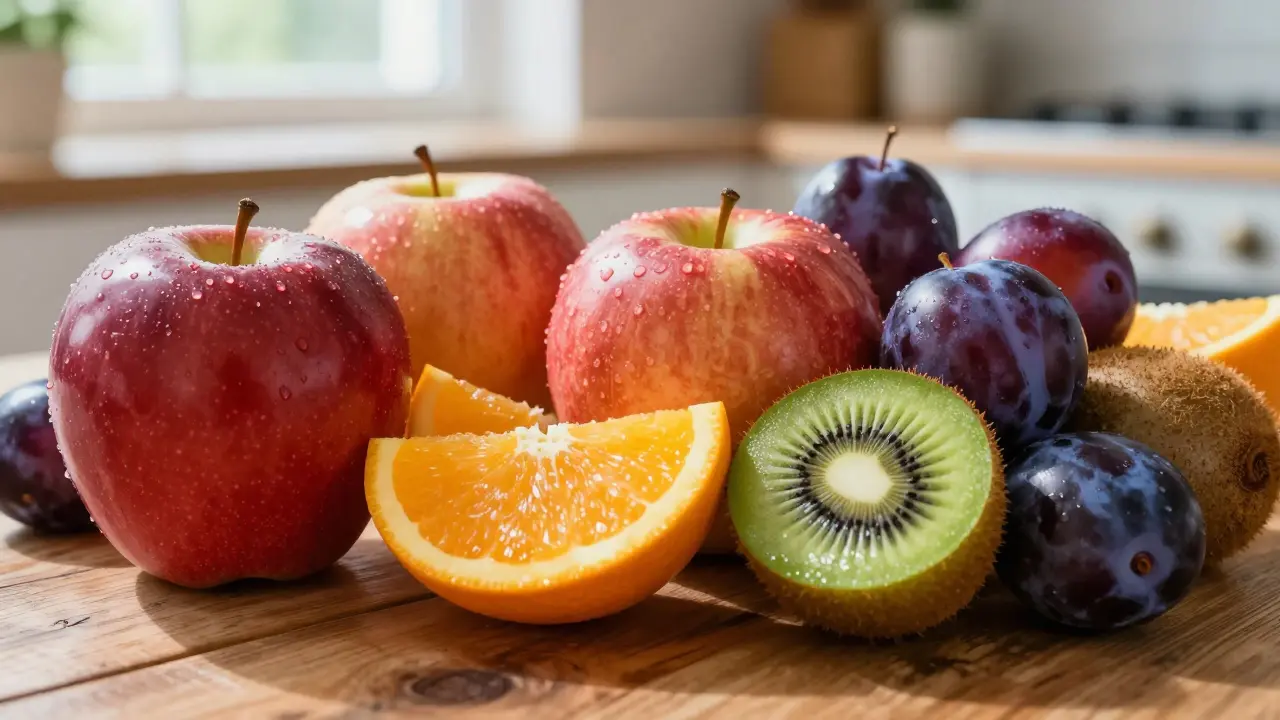
You probably know you should eat more fruits. But do you really understand why? It isn't just about avoiding cavities or looking good. Fruits are nutrient-dense foods that provide essential vitamins, minerals, fiber, and antioxidants crucial for human health. When you swap a processed snack for an apple or a banana, you aren't just changing calories; you're fundamentally altering how your body functions on a cellular level.
We often treat fruit as a dessert or a sweet treat. That mindset misses the point. Fruit is medicine. From lowering blood pressure to stabilizing mood, the biological impact of regular fruit consumption is profound. Let's break down exactly what happens when you make fruit a central part of your daily diet.
The Fiber Connection: Digestion and Satiety
The most immediate benefit of eating fruit is the fiber content. Unlike refined carbohydrates found in white bread or pastries, the fiber in fruit works slowly. It slows down digestion, which prevents those sharp spikes in blood sugar that leave you craving more food an hour later.
Soluble fiber, found abundantly in apples and citrus fruits, forms a gel-like substance in your gut. This helps lower cholesterol levels by binding to cholesterol particles before they can be absorbed into your bloodstream. Insoluble fiber, common in berries and stone fruits like peaches, adds bulk to your stool and keeps things moving. If you struggle with constipation or irregularity, increasing your intake of high-fiber fruits is often the simplest fix.
Beyond digestion, fiber makes you feel full. The volume and water content of fruit, combined with fiber, signal satiety to your brain. You naturally eat fewer calories because you aren't constantly hunting for energy. This is why people who eat whole fruits rarely overeat them, while it's easy to devour a bag of chips.
Vitamins and Minerals: The Micronutrient Powerhouse
Fruits are nature's multivitamin. They deliver micronutrients in forms your body easily absorbs. Take Vitamin C, for example. Found in high concentrations in oranges, kiwis, and strawberries, this vitamin is vital for immune function and collagen production. Collagen keeps your skin firm and your joints healthy. Without enough Vitamin C, your body struggles to repair tissues and fight off infections.Potassium is another critical mineral often lacking in modern diets. Bananas, avocados, and dried apricots are rich sources. Potassium helps regulate fluid balance, nerve signals, and muscle contractions. Crucially, it counteracts the effects of sodium. High sodium intake raises blood pressure, but potassium helps relax blood vessel walls, keeping cardiovascular health intact.
Magnesium, found in figs and bananas, supports over 300 enzymatic reactions in your body, including energy production and protein synthesis. Deficiencies here can lead to fatigue, muscle cramps, and anxiety. By diversifying your fruit intake, you cover these bases without needing supplements.
Antioxidants: Fighting Oxidative Stress
Oxidative stress is the silent damage caused by free radicals-unstable molecules that attack your cells. This process accelerates aging and contributes to chronic diseases like cancer and heart disease. Antioxidants neutralize these free radicals.
Different colored fruits offer different antioxidant profiles. Berries, such as blueberries and raspberries, are packed with anthocyanins, which give them their deep purple hue and have been linked to improved brain health and memory. Dark leafy greens aren't fruits, but dark-colored fruits like plums and blackberries share similar protective compounds.
Citrus fruits contain flavonoids that reduce inflammation. Chronic inflammation is the root cause of many autoimmune issues and metabolic disorders. By consuming a variety of colorful fruits, you create a broad defense system against cellular damage. Think of it as painting your diet with every color of the rainbow to ensure comprehensive protection.

Hydration and Electrolyte Balance
Many fruits have high water content. Watermelon, for instance, is over 90% water. Melons, grapes, and strawberries also contribute significantly to your daily hydration needs. Staying hydrated is essential for cognitive function, temperature regulation, and kidney health.
When you drink sugary sodas or juices, you get sugar without water or fiber. When you eat whole fruit, you get natural sugars wrapped in water and fiber. This combination ensures steady hydration without the dehydration effect that excess sugar can sometimes cause. In hot climates, eating chilled fruit can be an effective way to cool down and rehydrate simultaneously.
Blood Sugar Regulation and Energy Stability
There is a myth that fruit raises blood sugar too much. This is true if you drink juice or eat dried fruit in large quantities. Whole fruit tells a different story. The fiber matrix slows glucose absorption. The glycemic index (GI) of most whole fruits is low to moderate.
Eating fruit provides sustained energy. Instead of the crash associated with refined carbs, fruit offers a gentle rise in blood sugar followed by a steady decline. This stability helps maintain focus and mood throughout the day. Athletes often use bananas before workouts for this reason-they provide quick yet sustained fuel without digestive distress.

Gut Health and the Microbiome
Your gut microbiome influences everything from immunity to mental health. Prebiotics are fibers that feed beneficial gut bacteria. Many fruits contain prebiotic fibers, particularly pears, apples, and bananas. These fibers ferment in the colon, producing short-chain fatty acids like butyrate.
Butyrate nourishes the cells lining your colon, reducing inflammation and strengthening the gut barrier. A strong gut barrier prevents toxins from leaking into the bloodstream, a condition known as "leaky gut." By feeding your good bacteria with fruit-based prebiotics, you support a resilient immune system and potentially even improve mental clarity through the gut-brain axis.
| Fruit | Primary Nutrient | Key Health Benefit | Best For |
|---|---|---|---|
| Apple | Fiber (Pectin) | Cholesterol reduction, gut health | Heart health, digestion |
| Banana | Potassium | Blood pressure regulation, muscle function | Athletes, hypertension management |
| Blueberry | Anthocyanins | Brain health, antioxidant protection | Cognitive function, anti-aging |
| Orange | Vitamin C | Immune support, collagen synthesis | Immunity, skin health |
| Avocado | Healthy Fats | Nutrient absorption, heart health | Weight management, satiety |
Practical Tips for Increasing Fruit Intake
Increasing fruit consumption doesn't require drastic changes. Start small. Replace one sugary snack per day with a piece of fruit. Keep washed berries or cut melon in visible containers in your fridge. Visibility drives consumption.
Add fruit to savory meals. Try adding pineapple to salsa or apples to salads. The natural sweetness balances bitter greens and enhances flavor without added sugar. Smoothies are another option, but remember to include the whole fruit rather than juicing it to retain the fiber.
If fresh fruit is out of season or expensive, frozen fruit is an excellent alternative. Frozen fruits are picked at peak ripeness and flash-frozen, preserving nutrients effectively. Dried fruit can work too, but watch portion sizes as the sugar concentration is higher.
Addressing Common Concerns
Some people worry about fructose, the natural sugar in fruit. Fructose is metabolized differently than glucose, but in the context of whole fruit, the fiber and water mitigate any negative effects. The liver processes fructose efficiently when it arrives alongside other nutrients. It is only when fructose is isolated and consumed in massive amounts (like in high-fructose corn syrup) that it becomes problematic.
Another concern is dental health. While fruit contains acid and sugar, the risk of cavities is lower than with sticky processed sweets. Rinsing your mouth with water after eating acidic fruits like citrus can protect enamel. Chewing fibrous fruits like apples can actually help clean teeth mechanically.
How much fruit should I eat per day?
Most dietary guidelines recommend 2 to 4 servings of fruit per day. One serving is roughly one medium-sized fruit, half a cup of chopped fruit, or one-quarter cup of dried fruit. Aim for variety to get a broad spectrum of nutrients.
Is fruit bad for diabetics?
No, fruit is not bad for diabetics when eaten in moderation. The fiber in whole fruit slows sugar absorption. Diabetics should focus on low-glycemic fruits like berries, apples, and citrus, and monitor portions. Always consult your healthcare provider for personalized advice.
Are organic fruits necessary for health benefits?
Organic fruits may have lower pesticide residues, but conventional fruits still provide significant health benefits. The nutritional difference between organic and conventional produce is minimal. Washing all produce thoroughly is recommended regardless of type.
Can fruit replace vegetables?
No, fruit cannot fully replace vegetables. While both are healthy, vegetables often contain higher levels of certain minerals and lower sugar content. A balanced diet includes both fruits and vegetables to ensure comprehensive nutrient intake.
Does the time of day matter for eating fruit?
There is no scientific evidence that timing affects the health benefits of fruit. You can eat fruit at any time of day. Some people prefer it in the morning for energy, while others enjoy it as a snack. Consistency matters more than timing.