

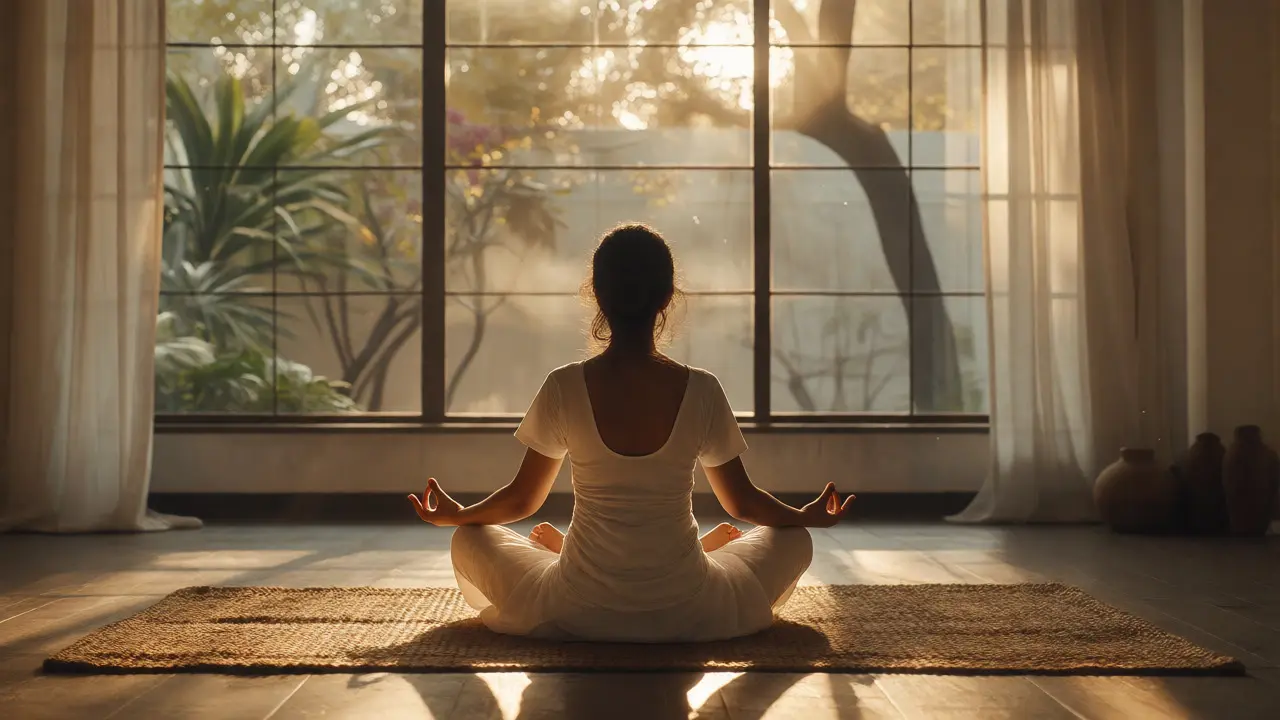
Most people think of yoga as a workout involving weird twists and expensive mats, while meditation is seen as sitting still until your legs fall asleep. But here is the truth that often gets lost in translation: they are two halves of the same whole. You don’t actually need to choose one over the other. In fact, trying to meditate without any physical preparation is like trying to drive a car with flat tires-you might get there eventually, but it’s going to be a bumpy, frustrating ride.
If you have ever tried to sit in silence for ten minutes only to find your mind racing about grocery lists or work emails, you know the struggle. That restlessness isn’t a failure of character; it is usually a lack of physical grounding. This article breaks down exactly how these two practices feed into each other, why combining them changes the game for your mental health, and how you can use simple techniques to make both easier.
The Ancient Roots: Why They Were Never Separate
To understand the link, we have to look at where this stuff came from. The word "yoga" comes from the Sanskrit root yuj, which means "to yoke" or "to unite." It was never just about touching your toes. It was about uniting the body, breath, and mind. Patanjali, the sage who codified yoga in the Yoga Sutras around 200 BCE, listed eight limbs of practice. Only one of those limbs is asana, the physical postures most Westerners associate with yoga today. Another limb is dhyana, which translates directly to meditation.
In traditional systems, the physical poses exist solely to prepare the body for long periods of seated meditation. If your back hurts after five minutes, you cannot go deep into meditation. You spend all your energy fighting discomfort instead of observing your thoughts. So, historically, yoga was the vehicle, and meditation was the destination. Today, we often skip the vehicle and wonder why the journey feels so hard.
How Movement Prepares the Mind
Here is a practical reality check: your brain and your body talk constantly. When you hold a physical pose, like Warrior II or even a simple forward fold, you force your nervous system to regulate itself. You have to breathe steadily to maintain balance and strength. This act of syncing movement with breath activates the parasympathetic nervous system-the "rest and digest" mode-before you even close your eyes.
Think of it as clearing the static from a radio signal. If your body is tense, shallow-breathing, and agitated, your mind picks up that noise. By doing twenty minutes of gentle yoga flows, you burn off excess adrenaline and cortisol (the stress hormone). Once that physical agitation settles, your mind naturally becomes quieter. You aren’t forcing yourself to stop thinking; you’ve simply removed the physical barriers that kept you stuck in fight-or-flight mode.
| Feature | Yoga (Asana) | Meditation (Dhyana) | Combined Practice |
|---|---|---|---|
| Primary Focus | Physical flexibility, strength, breath control | Mental clarity, emotional regulation, awareness | Holistic integration of body and mind |
| Stress Relief Mechanism | Releases physical tension and muscle knots | Calms mental chatter and rumination | Addresses stress at both physiological and psychological levels |
| Best For Beginners | Easier to engage because it involves action | Can feel abstract or difficult if restless | Provides a clear structure: move first, then sit |
| Time Investment | 30-60 minutes typical class length | 5-20 minutes daily habit | 10 mins yoga + 5 mins meditation = high impact |
The Bridge: Breathwork (Pranayama)
If yoga is the body and meditation is the mind, pranayama (breath control) is the bridge connecting them. Most people breathe poorly. We take short, shallow sips of air into our chests, which signals danger to the brain. Yoga teaches you to breathe deeply into the belly and ribs. Meditation uses that controlled breath as an anchor for attention.
You do not need complex breathing exercises to start. Try this simple sequence right now:
- Sit comfortably on a chair or cushion. Keep your spine straight but relaxed.
- Inhale slowly through your nose for a count of four, feeling your belly expand.
- Hold the breath gently for a count of two.
- Exhale slowly through your mouth or nose for a count of six.
- Repeat this cycle ten times.
This specific ratio (inhaling shorter than exhaling) physically slows your heart rate. It creates a biological state of calm that makes meditation significantly easier. Without this step, many beginners try to meditate while their body is still screaming "stress," leading to frustration and quitting.
Common Myths That Keep People Apart
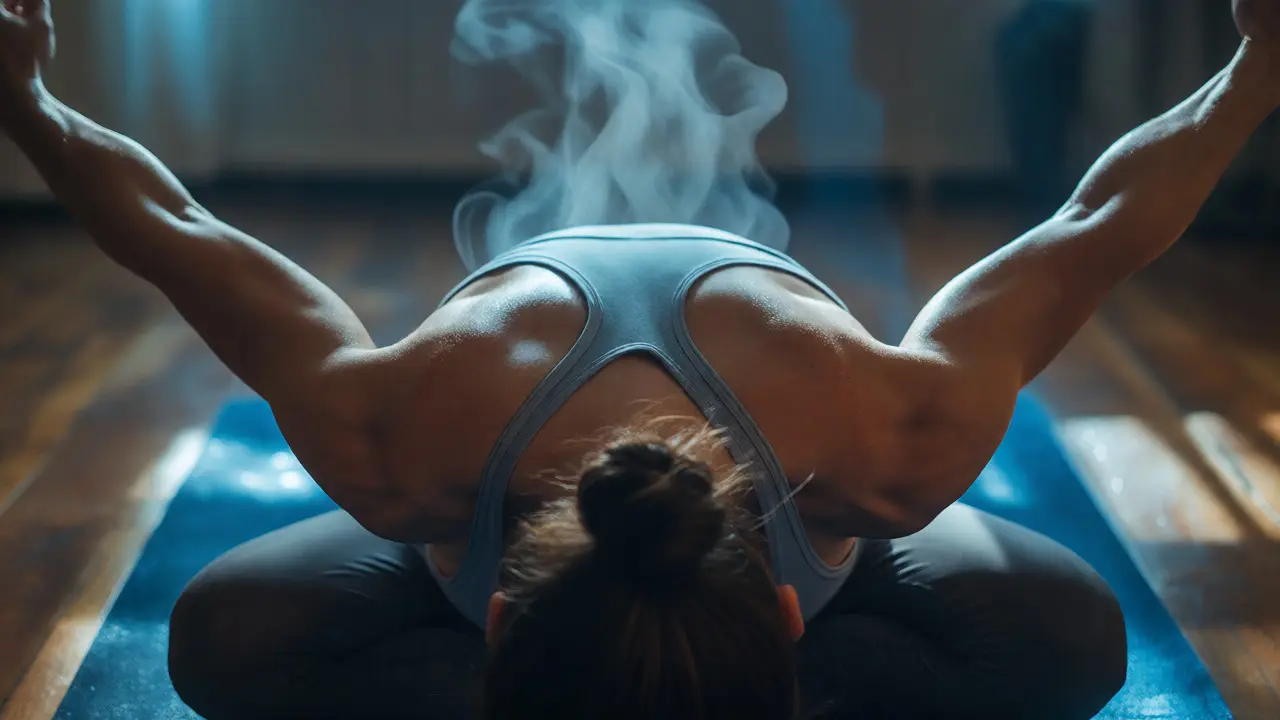
One big myth is that you must be flexible to do yoga. False. You don’t touch your toes to do yoga; you do yoga to eventually touch your toes-or more importantly, to feel better in your own skin. Another myth is that meditation requires an empty mind. Also false. Meditation is not about stopping thoughts; it’s about noticing them without getting dragged away by them. Think of your thoughts as cars passing on a highway. Meditation is sitting on the side of the road watching the cars, rather than jumping into every single one and driving off.
People often separate these practices because they view them through a fitness lens versus a spiritual lens. But science backs up their unity. A study published in the *Journal of Clinical Psychiatry* found that participants who practiced yoga showed greater reductions in anxiety symptoms compared to those who did aerobic exercise alone, specifically because of the mindful component integrated into the movement. The focus required to balance in a pose forces presence, which is the core skill of meditation.
How to Start Combining Them Today
You don’t need a studio membership or a silent retreat in Bali to reap the benefits. Here is a realistic routine for someone with a busy life in Brisbane or anywhere else:
- The Morning Wake-Up (10 Minutes): Skip the phone scroll. Do three rounds of Sun Salutations (a basic flow of standing up, folding forward, plank, downward dog, and standing up again). Finish by sitting cross-legged for three minutes of focused breathing.
- The Evening Wind-Down (15 Minutes): After dinner, do some gentle stretching. Focus on opening the hips and shoulders, where we store tension. Then, lie down in Savasana (corpse pose) and scan your body from toes to head, relaxing each part. This is passive meditation.
- The Stress Buster (5 Minutes): Feeling overwhelmed at work? Step away from the desk. Do ten deep neck rolls and shoulder shrugs. Sit quietly for two minutes, focusing only on the sensation of air entering your nostrils.
The key is consistency, not intensity. Ten minutes of combined practice daily beats one hour of intense yoga once a week. Your nervous system responds to regular cues of safety and relaxation.
Troubleshooting Your Practice
If you find yourself getting bored during meditation, switch to active meditation. Walking meditation is great. Walk slowly, paying attention to the contact of your feet with the ground. If you feel pain in your knees during seated meditation, use a chair or a bolster under your knees. Comfort is crucial. If your body is uncomfortable, your mind will remain alert to the pain, preventing deeper states of relaxation.
Also, don’t judge your progress. Some days you will feel zen; other days you will feel like a monkey on caffeine. Both are normal. The goal isn’t perfection; it’s returning your attention to the present moment, again and again. Every time you notice your mind has wandered and bring it back, you are doing a "rep" for your brain, just like lifting weights builds muscle.
Frequently Asked Questions
Do I have to do yoga before I meditate?
No, you don't strictly have to, but it helps significantly for most beginners. Physical movement releases stored tension and calms the nervous system, making it easier to sit still and focus mentally. If you are already very calm or experienced, you might skip the physical aspect, but for most people, yoga acts as a necessary warm-up for the mind.
Can I meditate without doing any physical yoga poses?
Yes, absolutely. You can practice mindfulness or meditation while walking, eating, or even washing dishes. However, traditional yoga philosophy suggests that preparing the body through posture (asana) and breathwork (pranayama) removes physical distractions, allowing for a deeper meditative state. If you find sitting still painful or distracting, adding physical yoga will likely improve your experience.
Which is better for stress: yoga or meditation?
They target different aspects of stress. Yoga is excellent for releasing physical tension and lowering cortisol levels through movement. Meditation is superior for changing how you react to stressful thoughts and emotions. For comprehensive stress relief, using both is more effective than choosing one, as they address both the physiological and psychological components of stress.
How long should I practice to see results?
You may feel immediate calm after a single session, but structural changes in the brain (neuroplasticity) typically require consistent practice over 8 weeks. Aim for 10-20 minutes daily rather than long, infrequent sessions. Consistency signals safety to your nervous system, gradually raising your baseline level of well-being.
Is yoga considered a form of meditation?
Yes, when practiced with mindful attention to breath and bodily sensations, yoga is a moving meditation. The focus required to maintain balance and alignment prevents the mind from wandering, creating a state of flow similar to seated meditation. However, fast-paced power yoga classes that focus heavily on fitness metrics may not offer the same meditative benefits as slower, mindful styles like Hatha or Yin.