

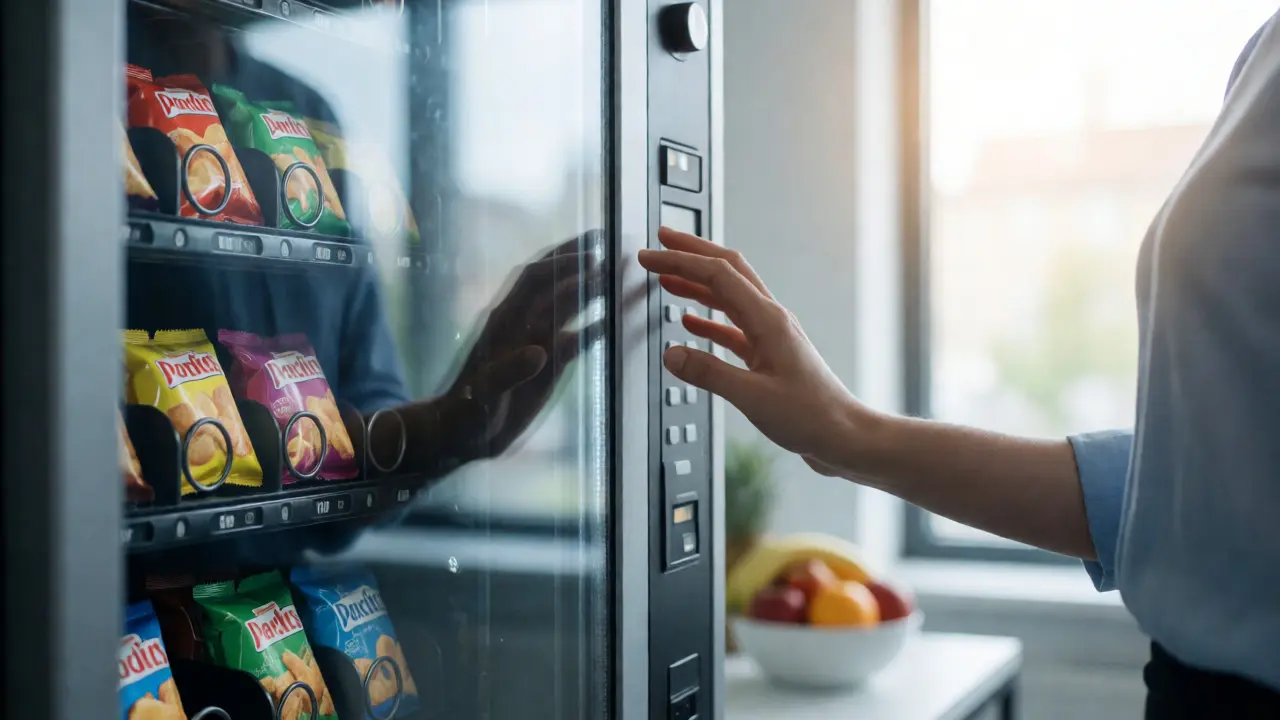
You know that 3 PM slump. Your energy crashes, your brain feels like it’s running on dial-up, and you’re staring at the vending machine or the office biscuit tin like they hold the secrets to the universe. We’ve all been there. The problem isn’t usually hunger; it’s a blood sugar crash caused by refined carbs and zero protein. You don’t need a culinary degree or an hour in the kitchen to fix this. You just need healthy snacks that take less time to make than scrolling through Instagram.
Here is the truth about snacking: it’s not about eating more food. It’s about bridging the gap between meals without wrecking your metabolism. If you’re reaching for chips, you’re spiking insulin and crashing an hour later. If you’re skipping snacks entirely, you’re likely overeating at dinner because your body thinks it’s starving. The sweet spot? A combination of protein, healthy fats, and fiber. This trio keeps you full, stabilizes your glucose, and gives your brain the fuel it actually needs. Let’s look at how to build these snacks fast, using ingredients you probably already have.
The Protein-Fat-Fiber Formula
Before we dive into recipes, let’s talk strategy. Most people fail at snacking because they pick foods that are either pure carb (apple alone) or pure fat (handful of nuts with no volume). Neither works well for sustained energy. You want balance. Think of it as a simple equation: Protein + Healthy Fat + Fiber.
Why does this matter? Protein triggers satiety hormones like PYY and GLP-1, telling your brain you’re full. Fats slow down digestion, keeping that feeling lasting longer. Fiber adds bulk and feeds your gut bacteria, which actually influences mood and cravings. When you combine them, you stop fighting your biology. Instead of white bread toast, try avocado on rye with an egg. Instead of plain crackers, try hummus with carrot sticks. It’s the same effort, but the metabolic result is completely different.
No-Cook Powerhouses for Busy Days
Sometimes you have zero energy to even boil water. That’s fine. Some of the best snacks require absolutely no cooking. These are perfect for when you’re rushing out the door or stuck at a desk with limited options.
- Greek Yogurt Bowls: Skip the flavored stuff loaded with sugar. Buy plain Greek yogurt-it’s thicker and has double the protein of regular yogurt. Top it with a tablespoon of chia seeds and a handful of berries. The chia seeds expand in your stomach, adding volume without calories, while the berries provide antioxidants and natural sweetness.
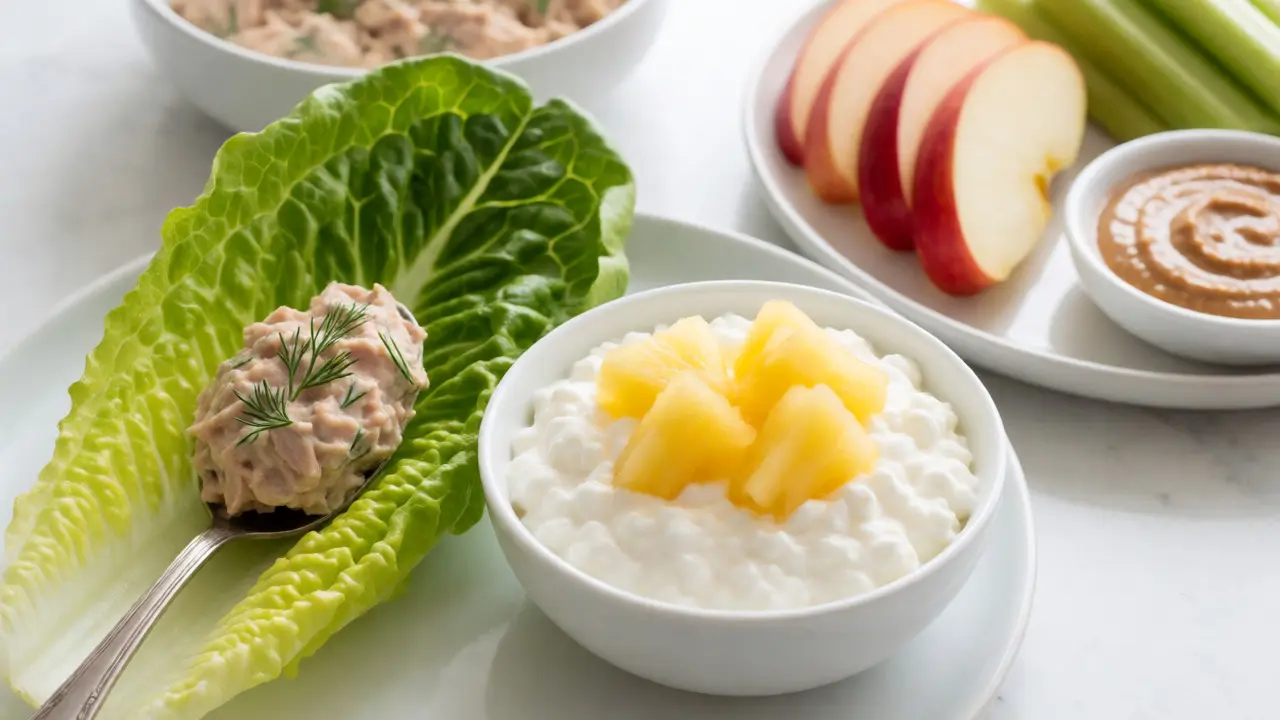
- Nut Butter Apple Slices: Classic for a reason. Apples provide pectin (fiber), and nut butter provides monounsaturated fats and protein. Just watch portion sizes-a tablespoon of almond butter is roughly 90 calories. Pair it with celery sticks if you want extra crunch and hydration.
- Cottage Cheese with Pineapple: Cottage cheese is often overlooked, but it’s packed with casein protein, which digests slowly. This makes it ideal for afternoon snacking. Add fresh pineapple chunks for enzymes that help digestion and a hit of vitamin C. It sounds old-school, but it tastes amazing and keeps you satisfied for hours.
If you’re vegan, swap the dairy for coconut yogurt or silken tofu blended with cocoa powder for a mousse-like texture. The key is avoiding processed "protein bars" that are basically candy bars in disguise. Check the label: if sugar is in the first three ingredients, put it back.
Five-Minute Prep Ideas
When you have five minutes, you can do wonders. This is where batch prepping comes in handy, but you don’t need to spend your entire Sunday chopping vegetables. Here are three snacks that take less time to assemble than waiting for a microwave burrito.
| Snack Option | Prep Time | Key Nutrients | Best For |
|---|---|---|---|
| Hard-Boiled Eggs & Everything Bagel Seasoning | 5 mins (if eggs pre-boiled) | Choline, Protein, B12 | Brain fog, focus |
| Hummus & Bell Pepper Strips | 3 mins | Fiber, Vitamin C, Plant Protein | Crunchy cravings |
| Tuna Salad Lettuce Wraps | 4 mins | Omega-3s, Lean Protein | Post-workout recovery |
Let’s break down the tuna wraps. Drain a can of tuna (in water, not oil, to keep it lighter). Mix it with a teaspoon of Dijon mustard and some chopped dill. Spoon it onto large romaine lettuce leaves. No bread means no gluten spike, and the lettuce adds hydration and crunch. It’s refreshing, high in omega-3 fatty acids, and costs pennies compared to buying a salad bar bowl.
For hard-boiled eggs, buy them pre-peeled from the supermarket if you’re lazy-no judgment here. Sprinkle them with "Everything Bagel" seasoning or chili flakes. They’re portable, mess-free, and contain choline, a nutrient critical for memory and mood regulation. Two eggs give you 12 grams of protein for under $1.
Smart Swaps for Sweet Cravings
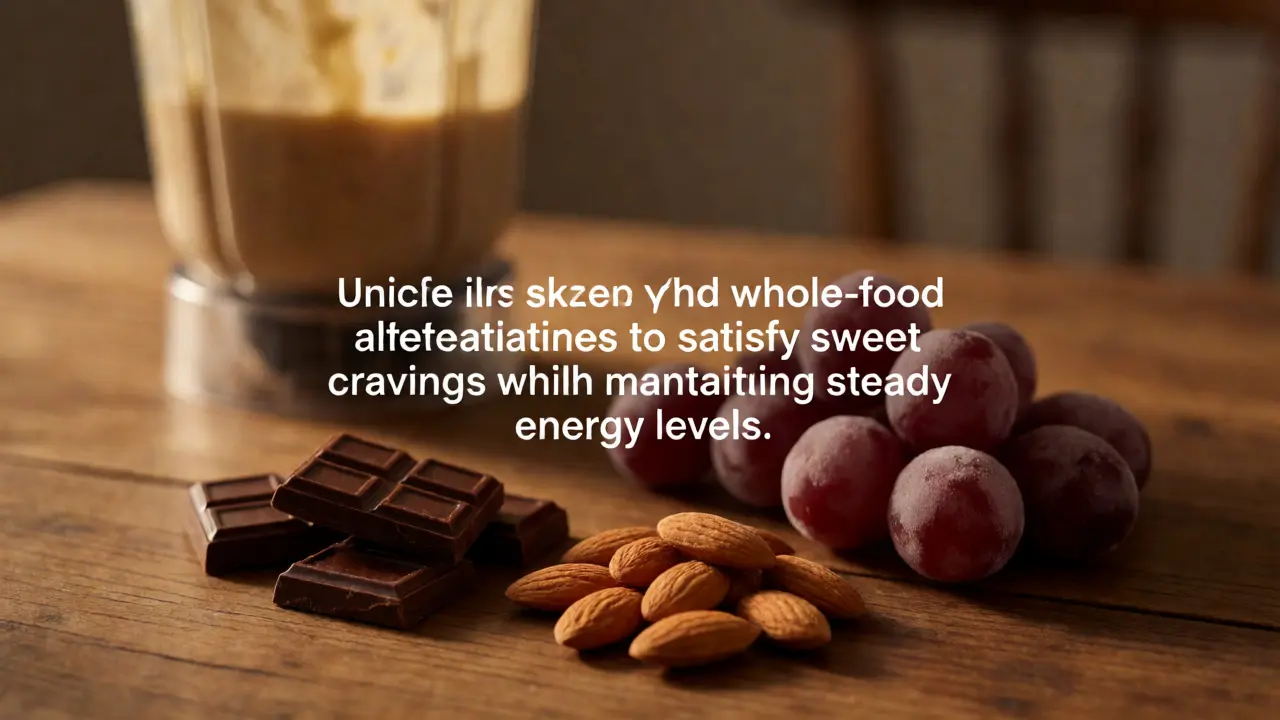
We all get those moments where we desperately want something sweet. Fighting it usually leads to bingeing later. The trick is satisfying the craving without derailing your progress. Dark chocolate is your best friend here. Look for bars with at least 70% cacao. Higher percentages mean less sugar and more flavanols, which improve blood flow to the brain. One or two squares with a few almonds can curb a sweet tooth effectively.
Another great option is frozen grapes. Freeze red grapes overnight. They turn into little sorbet balls that take forever to eat, slowing down consumption and making the experience last longer. They’re naturally sweet, hydrating, and low in calories. If you want something creamier, blend frozen bananas with a spoonful of peanut butter until smooth. It takes 30 seconds in a blender and tastes exactly like ice cream, minus the dairy overload and added sugars.
Pitfalls to Avoid
Not all "healthy" labels are created equal. Granola bars are a prime example. Many brands market themselves as health foods but contain as much sugar as a chocolate bar. Always check the ingredient list. If it has more than 5 grams of added sugar per serving, it’s likely not helping your energy levels. Similarly, be wary of dried fruit packs. Without the water content of fresh fruit, the sugar is concentrated. A small box of raisins can have 20+ grams of sugar. Stick to whole fruits whenever possible.
Also, mind your liquid calories. Smoothies can be sneaky calorie bombs. If you’re blending a banana, mango, and juice, you might end up with 400 calories that don’t fill you up because liquids digest quickly. To fix this, add greens (spinach doesn’t change the taste much), protein powder, or flaxseeds to slow absorption and increase satiety.
Building a Snack Routine
Consistency beats perfection. You don’t need to cook elaborate meals every day. Pick three go-to snacks from the lists above and rotate them. Keep them visible. If the apples are buried behind the milk, you won’t eat them. Put the nuts and dark chocolate on your desk. Make the right choice the easy choice.
Remember, snacking should never feel like a chore. It’s a tool to manage your energy and mood throughout the day. Start small. Try replacing one processed snack with a whole-food alternative this week. Notice how you feel an hour later. Did your energy stay steady? Did you avoid the headache? Adjust based on what works for your body, not what looks good on social media.
How many calories should a healthy snack have?
Generally, aim for 150-250 calories. This range is enough to satisfy hunger without impacting your daily caloric intake too heavily. However, listen to your body-if you’re very active, you might need closer to 300 calories. If you’re sedentary, stick to the lower end.
Is it okay to snack late at night?
Yes, if you’re genuinely hungry. Ignoring hunger cues can disrupt sleep due to low blood sugar. Choose light, protein-rich options like a small cup of cottage cheese or a handful of almonds. Avoid heavy, spicy, or sugary foods that might cause indigestion or energy spikes before bed.
What are the best snacks for weight loss?
Focus on high-volume, low-calorie foods rich in protein and fiber. Examples include raw vegetable sticks with hummus, air-popped popcorn (without excessive butter), boiled eggs, and Greek yogurt. These foods promote satiety, helping you eat fewer calories overall during main meals.
Can I prep snacks for the whole week?
Yes, but choose wisely. Hard-boiled eggs, cut veggies (stored with a damp paper towel), and roasted chickpeas last well in the fridge for 3-4 days. Nuts, seeds, and dark chocolate are shelf-stable. Avoid pre-cutting avocados or apples unless you treat them with lemon juice to prevent browning.
Are nuts healthy if they are high in calories?
Yes, in moderation. Nuts are calorie-dense but highly nutritious, providing healthy fats, protein, and magnesium. Studies show that people who eat nuts regularly tend to weigh less, possibly because they feel fuller longer. Stick to a small handful (about 28g or 1 oz) per sitting to enjoy benefits without excess calories.