

Stress is not just a bad mood; it is a biological event. When you feel overwhelmed, your body releases cortisol and adrenaline, triggering the "fight or flight" response. This was useful when our ancestors needed to run from predators, but today, that same chemical surge happens because of an overflowing inbox or traffic jams. Left unchecked, this chronic activation damages your heart, weakens your immune system, and disrupts sleep. The good news? You can hack this system back into balance using specific relaxation techniques. These are not just fluffy ideas for spa days; they are evidence-based tools that physically lower your heart rate and signal safety to your brain.
Understanding the Physiology of Relaxation
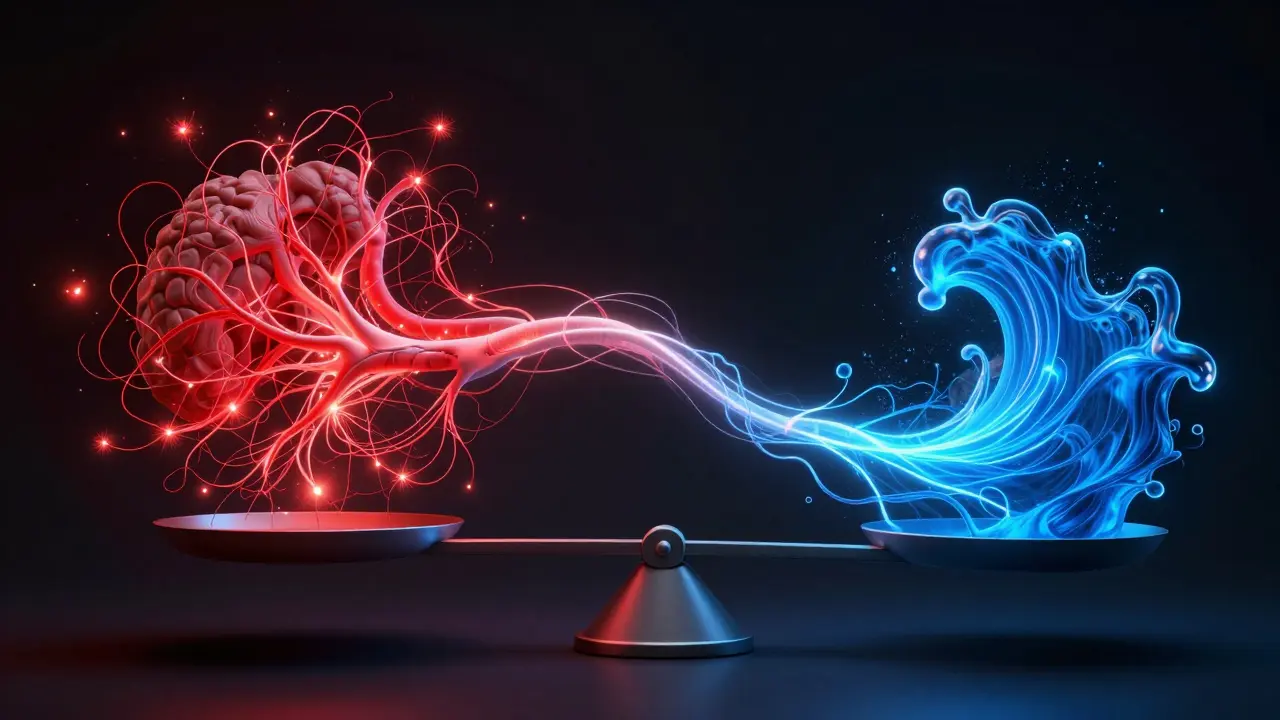
To master relaxation, you first need to understand what you are fighting against. Your nervous system has two main branches: the sympathetic nervous system (gas pedal) and the parasympathetic nervous system (brake). Most people live with their foot stuck on the gas. Relaxation techniques work by engaging the vagus nerve, which activates the parasympathetic system. This triggers the "rest and digest" state.
When you successfully engage this state, measurable changes occur. Your blood pressure drops. Your digestion resumes. Your muscles unclench. It is not about "thinking happy thoughts." It is about physiological regulation. If you try to relax while your body is still in high-alert mode, you will fail. That is why physical techniques often work better than mental ones for acute stress.
Breathing Exercises: The Fastest Reset Button
Breathing is the only part of your autonomic nervous system that you can consciously control. This makes it the most accessible tool for immediate stress relief. Here are three proven methods:
- Box Breathing (4-4-4-4): Used by Navy SEALs to stay calm under pressure. Inhale for 4 seconds, hold for 4 seconds, exhale for 4 seconds, hold empty for 4 seconds. Repeat four times. This rhythm forces your heart rate to slow down.
- Diaphragmatic Breathing: Most stressed people breathe shallowly into their chest. Place one hand on your chest and one on your belly. Breathe in through your nose so that only the hand on your belly rises. Exhale slowly through pursed lips. This engages the diaphragm and massages the vagus nerve.
- The 4-7-8 Technique: Developed by Dr. Andrew Weil, this acts as a natural tranquilizer. Inhale quietly through the nose for 4 seconds. Hold the breath for 7 seconds. Exhale completely through the mouth, making a whoosh sound, for 8 seconds. Do this cycle four times. It is particularly effective for insomnia.
You do not need a quiet room for these. You can do box breathing in a meeting or diaphragmatic breathing in traffic. The key is consistency, not perfection.
Progressive Muscle Relaxation (PMR)
Sometimes, your mind won't stop racing, but your body holds the tension. Progressive Muscle Relaxation, developed by physician Edmund Jacobson in the 1920s, bridges this gap. The premise is simple: you cannot be mentally anxious if you are physically relaxed, and vice versa. By systematically tensing and releasing muscle groups, you learn to recognize the difference between tension and relaxation.
| Muscle Group | Action | Duration |
|---|---|---|
| Hands & Arms | Clench fists tightly, then release | 5 sec tense / 10 sec release |
| Face & Shoulders | Squeeze eyes shut, shrug shoulders to ears | 5 sec tense / 10 sec release |
| Legs & Feet | Press toes into floor, tighten thighs | 5 sec tense / 10 sec release |
| Torso | Pull stomach in tight, arch back slightly | 5 sec tense / 10 sec release |
Start at your feet and work up to your head, or vice versa. Focus on the sensation of the tension leaving the muscle. This technique is highly effective for people whose stress manifests as headaches, jaw pain, or back stiffness.
Mindfulness and Meditation Practices
While breathing and PMR address the body, mindfulness addresses the mind. Mindfulness is not about emptying your mind; it is about observing your thoughts without judgment. A common misconception is that you must sit perfectly still for an hour. In reality, even five minutes of focused attention can rewire your brain's response to stress over time.
Mindfulness-Based Stress Reduction (MBSR) is a structured program developed by Jon Kabat-Zinn that uses meditation and yoga to help people cope with stress, illness, and pain. Research shows that consistent practice thickens the prefrontal cortex (responsible for decision-making) and shrinks the amygdala (the fear center).
If traditional sitting meditation feels too difficult, try these alternatives:
- Body Scan: Lie down and mentally scan your body from toe to head, noting any sensations without trying to change them.
- Walking Meditation: Walk slowly and focus entirely on the sensation of your feet touching the ground. Notice the shift in weight, the air on your skin. If your mind wanders, gently bring it back to the feeling of walking.
- Grounding (5-4-3-2-1): Identify 5 things you see, 4 you can touch, 3 you hear, 2 you smell, and 1 you taste. This pulls you out of anxious future-tripping and into the present moment.
Lifestyle Integration: Building a Stress-Resilient Life
Techniques are useless if you return to a high-stress environment immediately after using them. True stress-free living requires lifestyle adjustments that prevent burnout before it starts.
Digital Detox: Constant notifications keep your nervous system in a state of low-grade alert. Set boundaries. No phones in the bedroom. Turn off non-essential notifications. Schedule "do not disturb" hours during the day.
Sleep Hygiene: Sleep is when your brain processes emotional experiences. Poor sleep increases cortisol the next day, creating a vicious cycle. Keep your room cool (around 65°F/18°C), dark, and screen-free for at least an hour before bed.
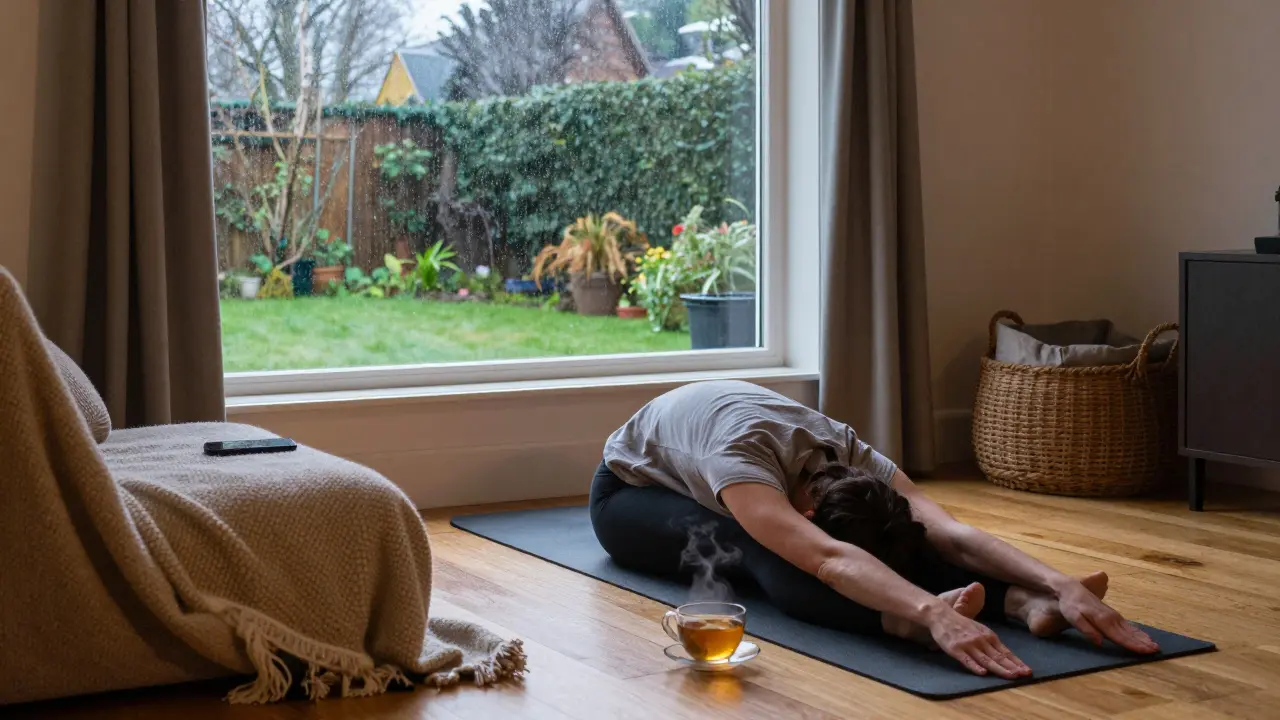
Physical Movement: Exercise burns off the excess adrenaline produced by stress. You don't need to run a marathon. A 20-minute brisk walk releases endorphins and reduces muscle tension. Yoga combines movement with breath, offering a double benefit.
Social Connection: Isolation amplifies stress. Talking to a trusted friend or family member lowers cortisol levels. Oxytocin, the "bonding hormone," counteracts the effects of stress hormones.
Creating Your Personal Relaxation Toolkit
Not every technique works for everyone. Some people find silence calming; others find it anxiety-inducing. Some prefer active relaxation like gardening; others need passive relaxation like listening to music. Experiment to find what resonates with you.
Create a "stress menu" with options for different levels of intensity:
- Level 1 (Low Stress): Deep breathing for 2 minutes, stretching, stepping outside for fresh air.
- Level 2 (Moderate Stress): 10-minute mindfulness meditation, a warm shower, listening to calming music.
- Level 3 (High Stress): Progressive muscle relaxation, a long walk in nature, talking to a therapist, taking a mental health day.
Keep this menu visible. When you feel stress rising, refer to it instead of defaulting to unhealthy coping mechanisms like scrolling social media or eating junk food.
Common Pitfalls to Avoid
Many people give up on relaxation techniques because they approach them incorrectly. Here are the most common mistakes:
- Expecting Instant Results: Like building muscle, training your nervous system takes time. Don't judge yourself if you don't feel zen after one session.
- Trying to Force Relaxation: Trying hard to relax is paradoxically stressful. Allow yourself to be imperfect. If your mind wanders during meditation, that's okay. Just notice it and return to your breath.
- Neglecting Consistency: Doing a 30-minute session once a week is less effective than doing 5 minutes every day. Frequency matters more than duration.
- Ignoring Underlying Issues: Relaxation techniques manage symptoms, but they don't solve root causes like toxic work environments or unresolved trauma. If stress is severely impacting your life, seek professional help.
Conclusion: Making Peace with Stress
A stress-free life doesn't mean a life without challenges. It means having the tools to navigate those challenges without burning out. By incorporating breathing exercises, muscle relaxation, mindfulness, and healthy lifestyle habits, you build resilience. You become the observer of your stress rather than its victim. Start small. Pick one technique from this guide and practice it today. Your nervous system will thank you.
How long does it take for relaxation techniques to work?
Breathing exercises can lower your heart rate within minutes. However, long-term benefits like reduced baseline anxiety and improved emotional regulation typically require consistent daily practice for 4 to 8 weeks. Neuroplasticity-the brain's ability to rewire itself-takes time.
Can relaxation techniques replace medication for anxiety?
For mild to moderate anxiety, relaxation techniques can be highly effective and sometimes sufficient. For severe anxiety disorders, they are best used as a complementary therapy alongside medication or cognitive behavioral therapy (CBT). Never stop prescribed medication without consulting your doctor.
What is the best relaxation technique for insomnia?
The 4-7-8 breathing technique and body scan meditation are particularly effective for insomnia. They activate the parasympathetic nervous system and distract the mind from racing thoughts. Avoid stimulating activities like screen time before bed to maximize effectiveness.
Is meditation the same as mindfulness?
Mindfulness is a state of being aware of the present moment. Meditation is a practice or exercise that cultivates mindfulness. You can practice mindfulness while washing dishes or walking, without formally meditating. However, regular meditation makes it easier to maintain mindfulness throughout the day.
Why do I feel more anxious when I try to meditate?
This is common for beginners. When you quiet external distractions, internal thoughts and emotions surface. It can feel uncomfortable at first. Try shorter sessions (1-2 minutes) or guided meditations. Also, ensure you are not forcing silence; gentle background noise or eye-opening practices like walking meditation may help initially.