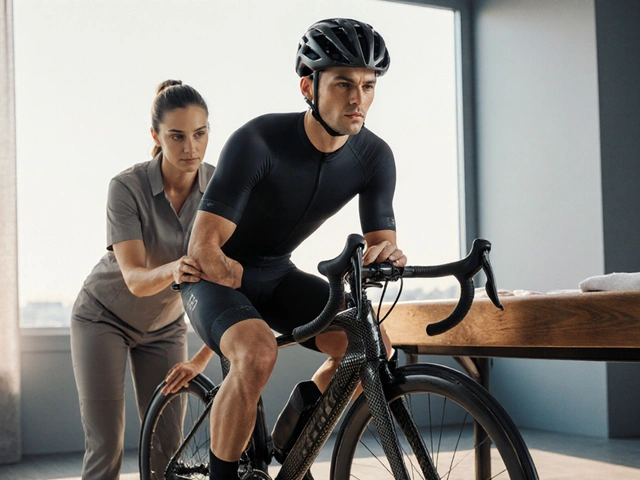

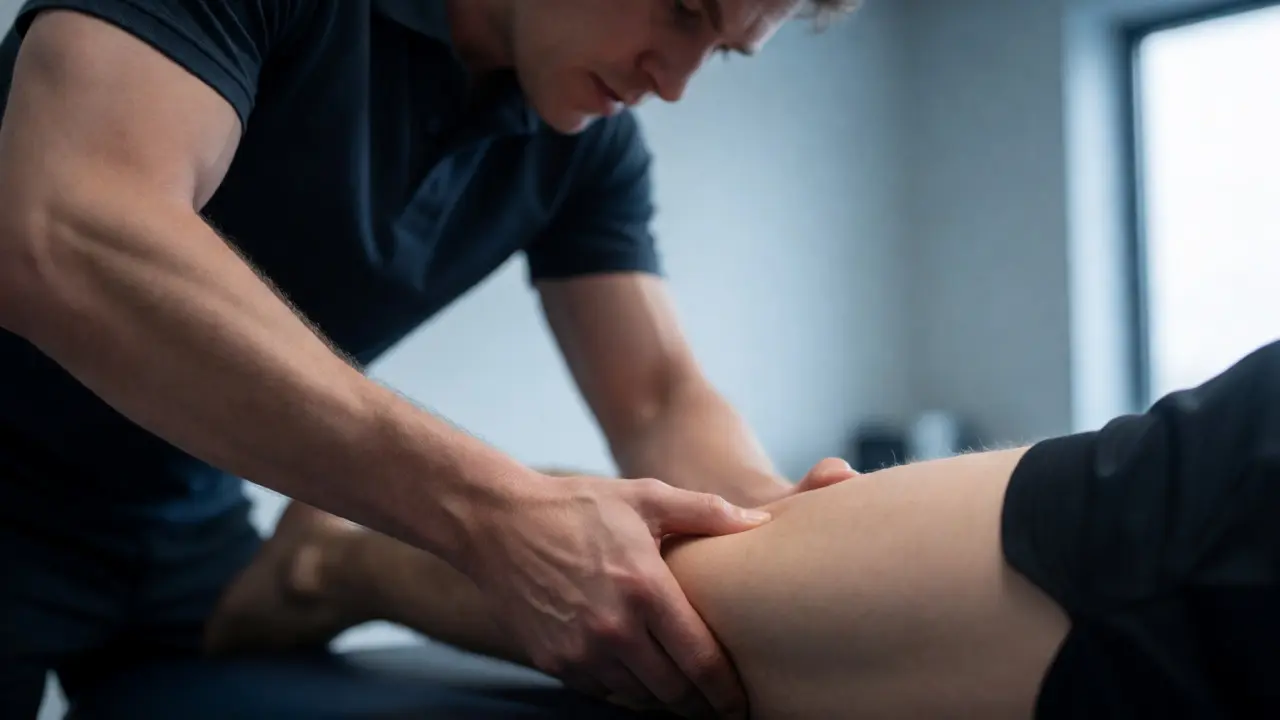
You’ve probably seen them on the sidelines of major games or in locker rooms after a tough session. Athletes getting kneaded by therapists while everyone else stretches or checks their phones. It looks luxurious, maybe even unnecessary if you’re just hitting the gym three times a week. But here’s the thing: sports massage isn’t just about relaxation. It’s a strategic tool used to manipulate soft tissue specifically to improve function and speed up recovery. If you’re an athlete, a weekend warrior, or someone dealing with chronic pain from sitting at a desk all day, understanding how this works could change your training game entirely.
Most people confuse sports massage with Swedish massage. They look similar-hands on skin, oil involved-but the intent is completely different. Swedish massage aims for general relaxation and circulation. Sports massage targets specific muscle groups that are overused, tight, or injured due to physical activity. It’s more intense, often more focused, and timed precisely around your training schedule. The goal? To keep your body moving efficiently so you can perform better and hurt less.
What Exactly Is Sports Massage?
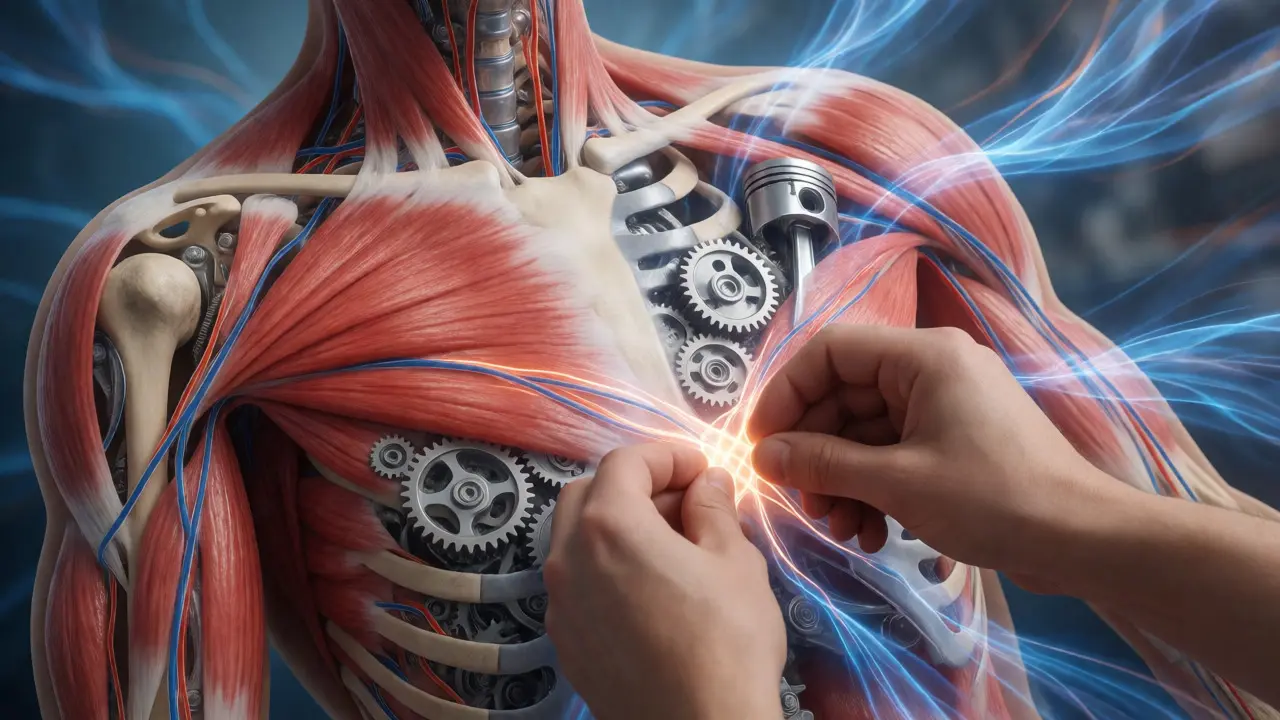
Sports massage is a systematic application of various techniques to the muscular structure of the human body, particularly before, during, and after sporting events. Unlike traditional spa treatments, it doesn’t aim to put you to sleep (though many do fall asleep). It aims to prepare the body for peak activity or help it recover from exertion. Think of it as maintenance for a high-performance engine. You wouldn’t drive a Formula 1 car without regular pit stops, right? Your muscles need those stops too.
The practice involves deep pressure, stretching, and friction. Therapists use hands, elbows, forearms, and sometimes tools to break down adhesions-those nasty little knots in your fascia that restrict movement. By manipulating these tissues, they increase blood flow, reduce inflammation, and restore range of motion. This isn’t magic; it’s physiology. When you compress tissue, you force stagnant fluid out. When you release, fresh, oxygenated blood rushes in. That exchange is where the healing happens.
The Science Behind the Squeeze
Does it actually work? Yes, but not always in the ways you think. For years, people believed sports massage removed lactic acid from muscles. Modern research says that’s mostly a myth. Lactic acid clears itself within an hour of exercise anyway. So what does it do? It reduces perceived soreness and improves flexibility. Studies show that athletes who receive regular sports massage report lower levels of delayed onset muscle soreness (DOMS) and faster return to baseline performance metrics.
| Feature | Swedish Massage | Sports Massage | Deep Tissue |
|---|---|---|---|
| Primary Goal | Relaxation & Circulation | Performance & Recovery | Pain Relief & Chronic Tension |
| Pressure Level | Light to Medium | Medium to Deep | Very Deep |
| Focus Area | Whole Body | Specific Muscle Groups | Deeper Layers of Muscle/Fascia |
| Best For | Stress Reduction | Athletes & Active Individuals | Chronic Pain Conditions |
The key mechanism here is neuromuscular adaptation. When a therapist applies sustained pressure, it triggers the Golgi tendon organs. These sensors tell your nervous system to relax the muscle rather than contract it. This allows for deeper stretching without triggering the stretch reflex, which usually fights back against rapid lengthening. The result? Greater flexibility and reduced risk of strains during explosive movements like sprinting or jumping.
When Should You Get One?
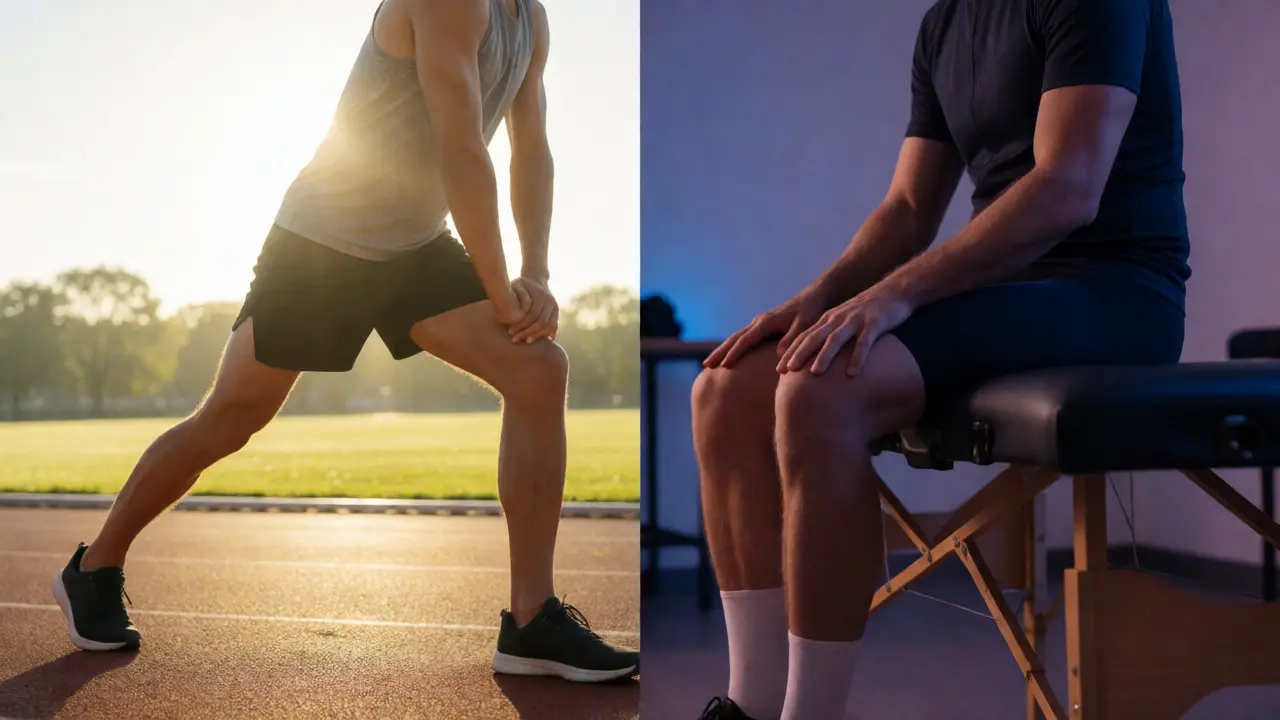
Timing matters. You don’t want to walk into a deep tissue session two hours before a marathon. You’d feel heavy and sluggish. Here’s a simple guide to scheduling:
- Pre-Event (30-60 minutes prior): Keep it light. Focus on quick, rhythmic strokes to warm up the muscles and increase alertness. Avoid deep pressure that might fatigue the tissue.
- Post-Event (Within 24-48 hours): Go moderate. Help flush out metabolic waste and ease stiffness. This is crucial for reducing DOMS.
- Maintenance (Weekly or Bi-weekly): This is where the real long-term benefits happen. Regular sessions prevent small issues from becoming big injuries. Address imbalances before they limit your performance.
If you’re training for a specific event, plan your last intense session at least three days out. Let your body adapt to the changes in tissue elasticity. Last-minute deep work can leave you feeling unstable or overly relaxed when you need sharp reflexes.
Common Techniques Used
Therapists have a toolkit, and they switch between methods based on your needs. Knowing these helps you communicate better with your provider.
- Effleurage: Long, gliding strokes. Used to spread oil and assess tissue tension. It’s the opener and closer of most sessions.
- Petrissage: Kneading and squeezing. This lifts and rolls the muscle away from bone. Great for breaking up knots in the quads or calves.
- Friction: Small, circular motions across the grain of the muscle. Targeted at tendons and ligaments. Can be uncomfortable but highly effective for scar tissue.
- Tapotement: Rhythmic tapping or chopping. Stimulates nerves and wakes up the muscles. Often used in pre-event routines.
- Stretching: Passive or active-assisted stretches integrated into the massage. Helps restore full length to shortened muscles.
Don’t be afraid to speak up. If a technique feels too aggressive, say so. Good therapists adjust in real-time. Pain should be “good” pain-a release-not sharp or stabbing. If it hurts to breathe, you’re pushing too hard.
Beyond Athletes: Who Else Benefits?
You don’t need to run marathons to benefit. Office workers suffer from repetitive strain injuries that mimic athletic overuse. Typing eight hours a day creates tension in the shoulders and neck identical to a swimmer’s shoulder impingement. Runners get shin splints; gamers get carpal tunnel. The principles remain the same: manage stress on specific tissues.
Consider your posture. Slouching shortens chest muscles and weakens upper back muscles. Over time, this leads to headaches and limited mobility. A sports massage therapist can identify these postural deviations and address the root cause, not just the symptom. They treat the kinetic chain-the interconnected network of joints and muscles that move together.
Choosing the Right Therapist
Not all massage therapists specialize in sports. Look for credentials like Certified Athletic Trainer (ATC) or Licensed Massage Therapist (LMT) with additional certification in sports techniques. Ask questions. Do they understand your sport? Have they worked with clients who have similar goals?
A good therapist will take a history. They’ll ask about your training load, recent injuries, and daily activities. They won’t just start rubbing. They’ll palpate (feel) your muscles to find areas of restriction. This diagnostic approach separates professionals from hobbyists.
Practical Tips for Maximizing Results
To get the most out of your investment, follow these guidelines:
- Hydrate: Drink water before and after. Massage releases toxins into the bloodstream; water helps flush them out.
- Communicate: Tell them where it hurts. Be honest about your pain threshold.
- Follow Up: Stretch at home. Your therapist did the work; you maintain it. Use foam rollers between sessions.
- Listen to Your Body: If you feel unusually tired or sore for more than two days, adjust the frequency or intensity.
Sports massage isn’t a luxury item. It’s part of a comprehensive health strategy. Just like nutrition and sleep, it supports your body’s ability to handle stress. Whether you’re aiming for a personal best or just trying to climb stairs without wincing, integrating targeted manual therapy can make a tangible difference.
How often should I get a sports massage?
For active individuals, once every two weeks is ideal for maintenance. During heavy training blocks, weekly sessions may be beneficial. For casual exercisers, monthly sessions can help manage general tension and prevent injury.
Is sports massage supposed to hurt?
It should involve some discomfort, especially when working on tight knots, but it shouldn't be unbearable. "Good pain" feels like a release. Sharp, shooting, or lingering pain is a sign to ease off. Communicate with your therapist to adjust pressure.
Can sports massage help with existing injuries?
Yes, but timing is critical. Acute injuries (swelling, redness) require rest and ice first. Once the acute phase passes, gentle sports massage can aid healing by improving circulation and preventing scar tissue formation. Always consult a medical professional before massaging a fresh injury.
What should I wear to a sports massage?
Wear comfortable, loose-fitting clothing that allows easy access to the limbs. Most therapists provide draping sheets, so you only expose the area being worked on. Underwear is typically worn throughout the session unless otherwise discussed.
Will I be sore after a sports massage?
Mild soreness for 24-48 hours is common, similar to post-workout soreness. This indicates the tissues were effectively manipulated. If soreness lasts longer, drink more water and consider lighter sessions next time. Hydration helps clear metabolic byproducts released during treatment.