

Want to recover faster after a hard workout or stop that nagging tightness in your shoulder? Sports massage is a hands-on way to speed recovery, ease pain, and keep you moving. It's not just a luxury — it's a tool athletes and busy people use to stay consistent with training and daily life.
Sports massage targets muscles you use most during training. Therapists work deeper than a typical relaxation massage, but it doesn’t have to be unbearable. Expect focused pressure, movement across muscle fibers, and techniques that break up tension and improve blood flow. You leave feeling looser and often more stable when you move.
Think of sports massage like maintenance. Use it when: after an intense training block, when you feel tight or sore for days, or to prep before a race or competition. A session 24–48 hours after a high-intensity effort helps clear metabolic waste and reduce stiffness. Before an event, a shorter, lighter session wakes up muscles and increases range of motion without causing fatigue.
How often? It depends on your training load. Casual exercisers may benefit from one session a month. Regular athletes often schedule weekly or biweekly work. If you’re in rehab after an injury, follow your therapist or clinician’s plan — restoring safe movement comes first.
Here are practical techniques therapists use and what they do for you:
- Effleurage: long, gliding strokes to warm tissue and boost circulation. Great at the start and end of a session.
- Petrissage: kneading and rolling that softens tight muscles and helps remove knots.
- Friction: short, firm moves across muscle fibers to break up scar tissue and adhesions.
- Trigger point release: focused pressure on tight spots to reduce referred pain and improve range of motion.
You can try gentle versions at home: light rolling with a foam roller, slow massage with your hands, or a lacrosse ball against a wall. Keep it short and avoid going too hard — sharp pain is a warning sign.
Safety first: avoid deep work over inflamed joints, open wounds, or recent fractures. If you have a medical condition or take blood thinners, check with your doctor before booking a deep-tissue session. If you’re on TRICARE, verify what kind of therapeutic massage is covered and whether a referral is needed.
Finding a good therapist matters. Look for someone with sports massage or orthopedic training and real experience with athletes. Ask how they approach your sport, what’s their plan for your goals, and whether they do home-care advice. A short consultation before the first full session helps set expectations.
Bottom line: sports massage isn't a magic fix, but used smartly it speeds recovery, eases pain, and reduces injury risk. Combine it with proper sleep, hydration, stretching, and strength work, and you’ll get the most from every session.
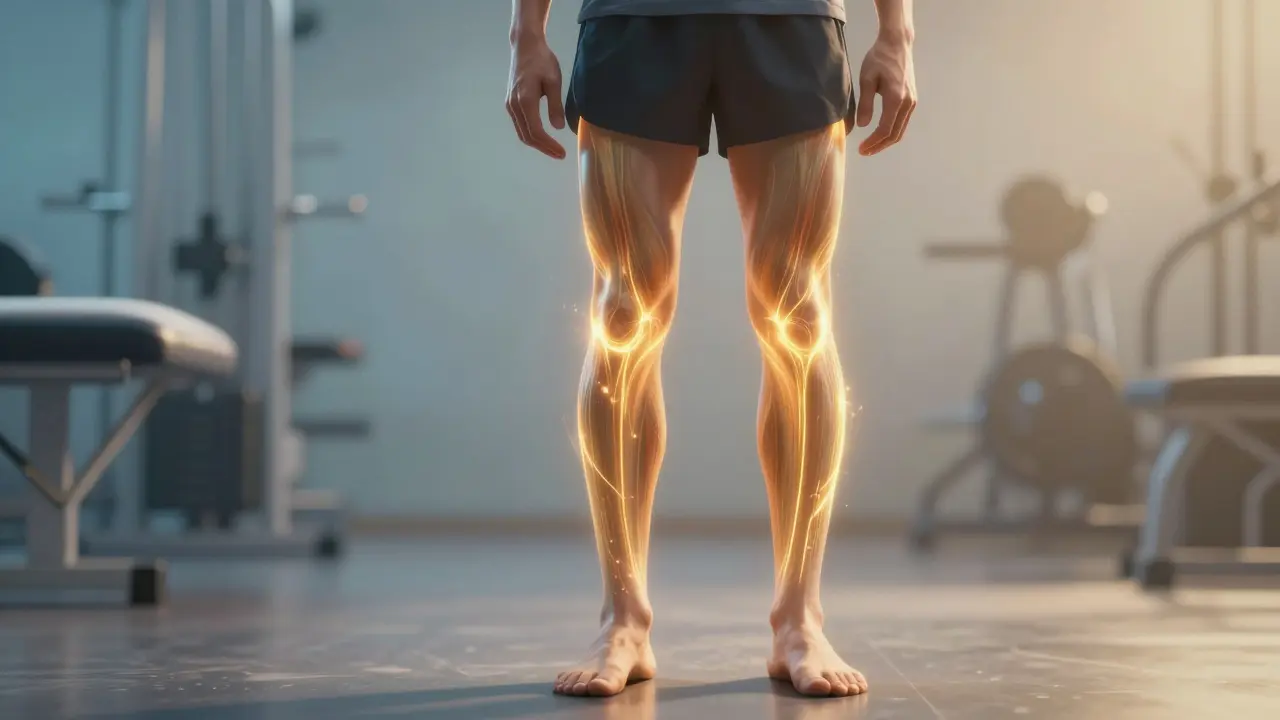
Discover how sports massage enhances physical recovery and mental clarity. Learn techniques, timing, and benefits for athletes seeking peak performance and stress relief.
Read More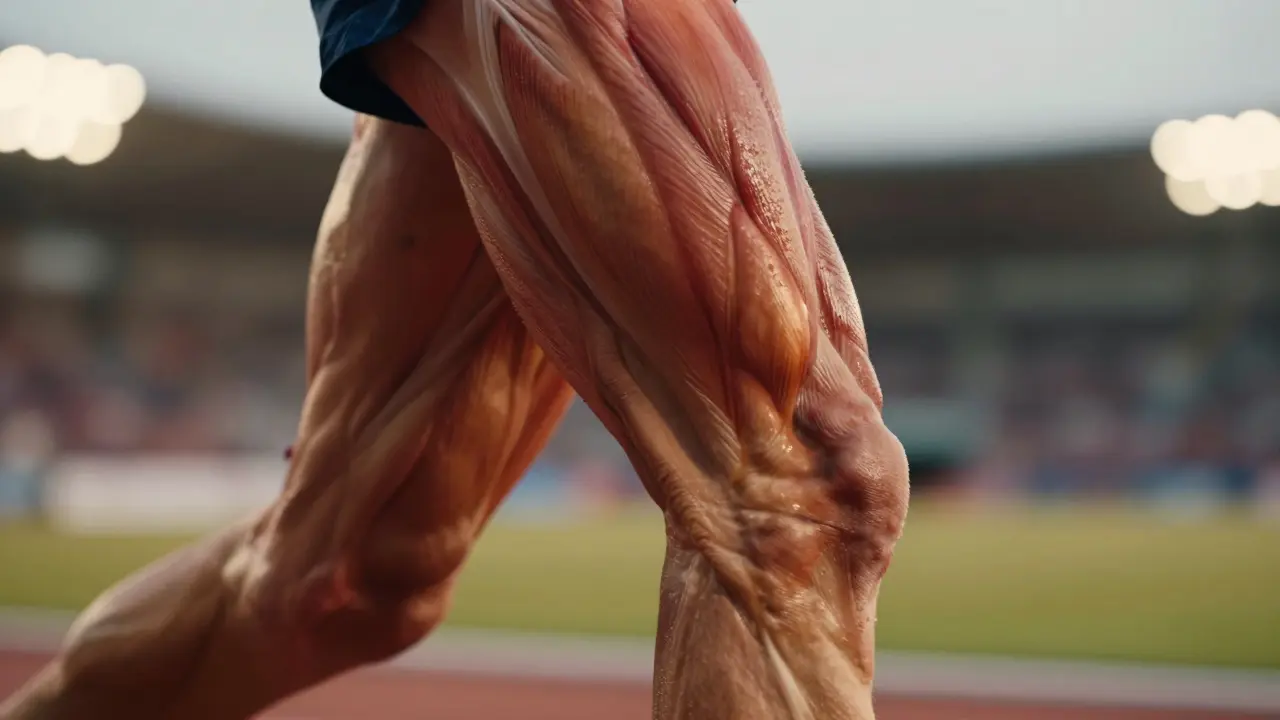
Discover how sports massage boosts athletic performance, accelerates recovery, and prevents injuries. Learn the differences between pre-event, post-event, and maintenance techniques.
Read More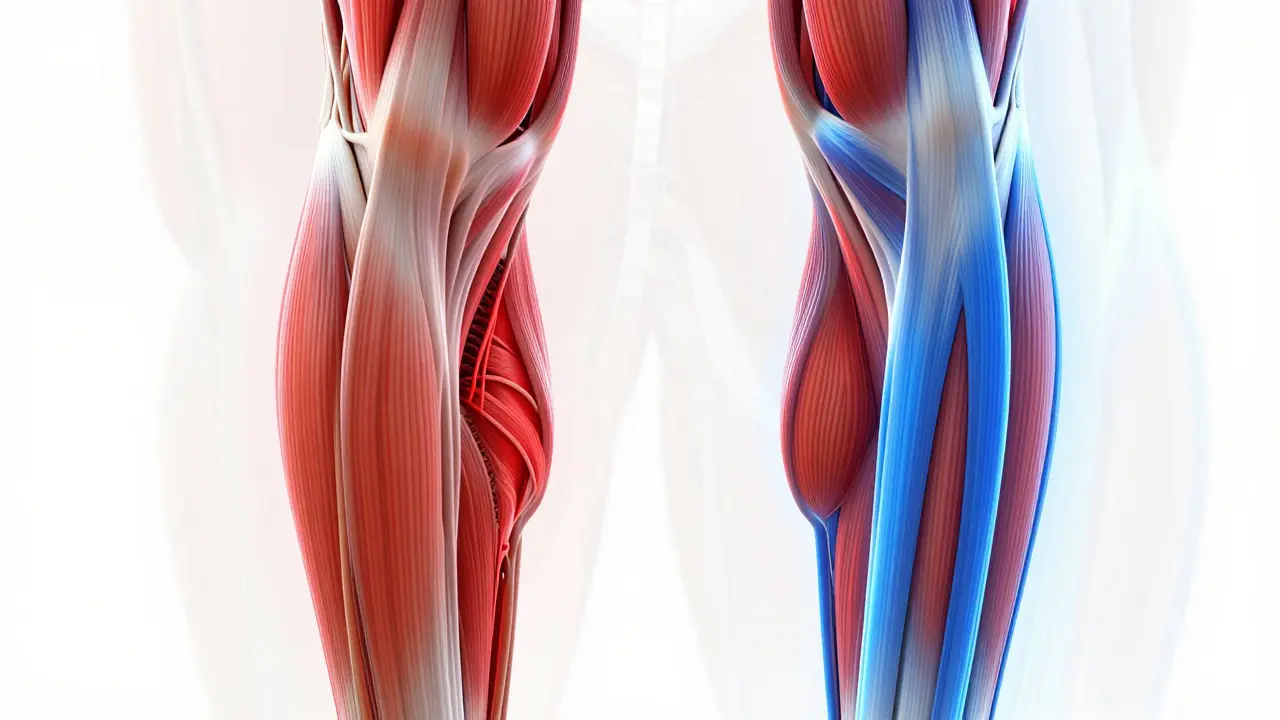
Discover how sports massage boosts endurance by improving circulation, flexibility, and recovery. Learn the science behind muscle efficiency and how to integrate massage into your training plan for peak performance.
Read More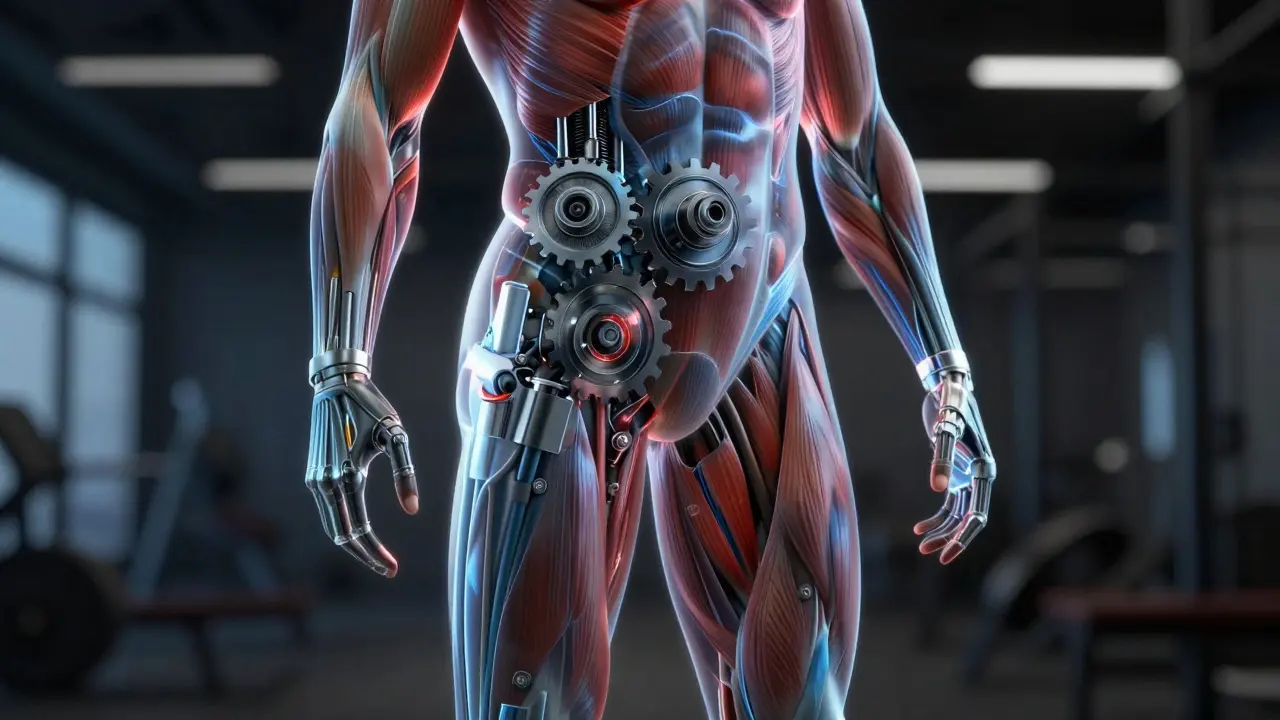
Discover how sports massage optimizes fitness by accelerating muscle recovery, preventing injuries, and enhancing athletic performance through targeted soft tissue therapy.
Read More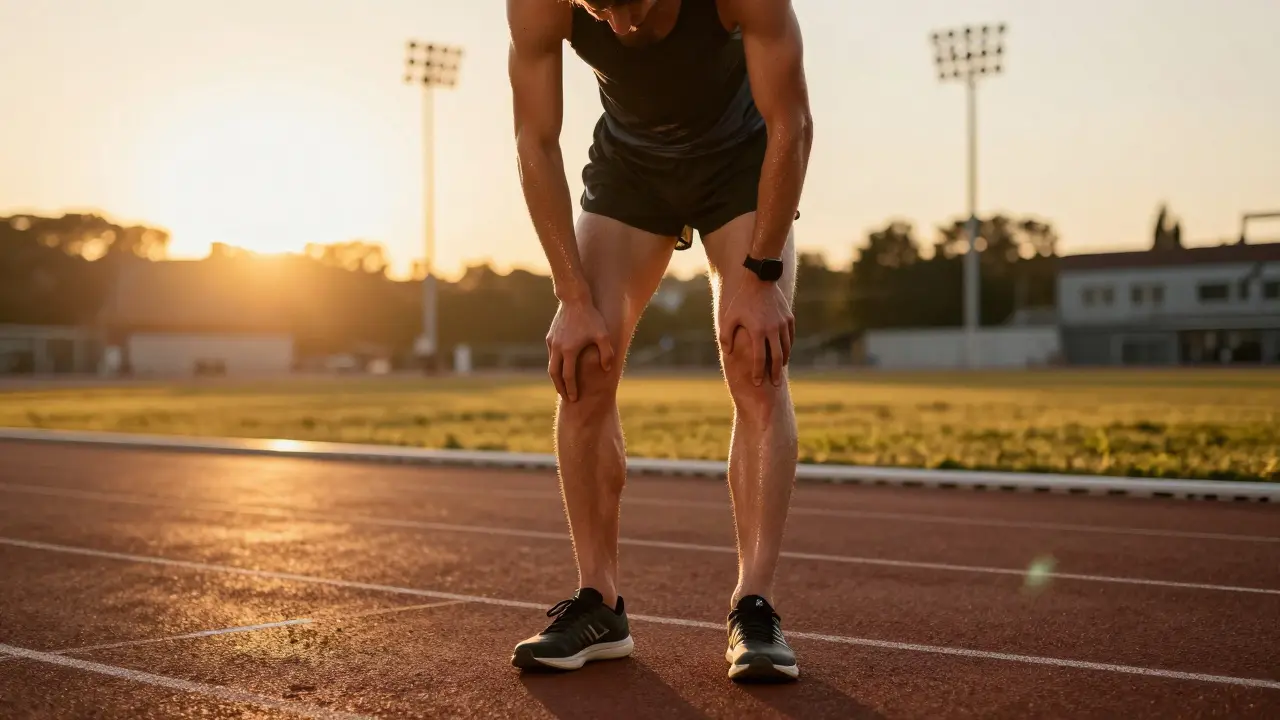
Discover how sports massage boosts recovery, prevents injury, and enhances performance. Learn the key techniques, benefits, and how to integrate it into your routine.
Read More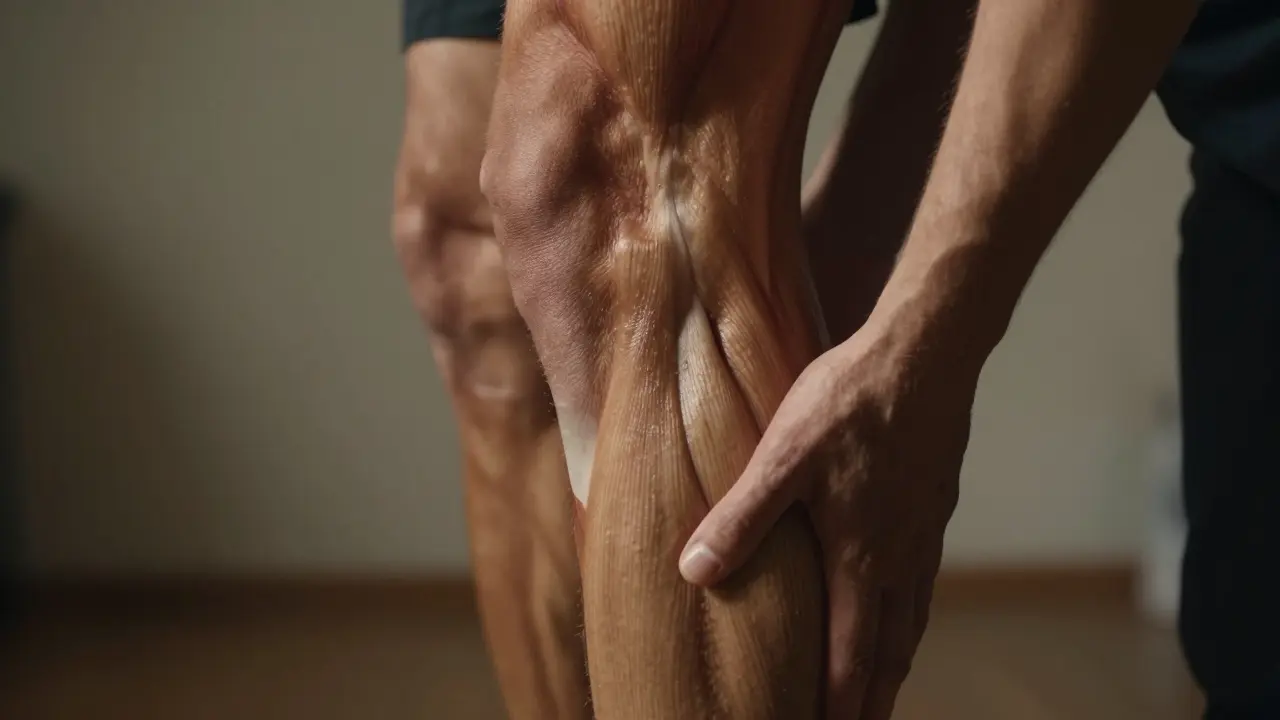
Discover how sports massage enhances athletic performance, prevents injuries, and accelerates recovery. Learn the science, timing, and techniques essential for athletes.
Read More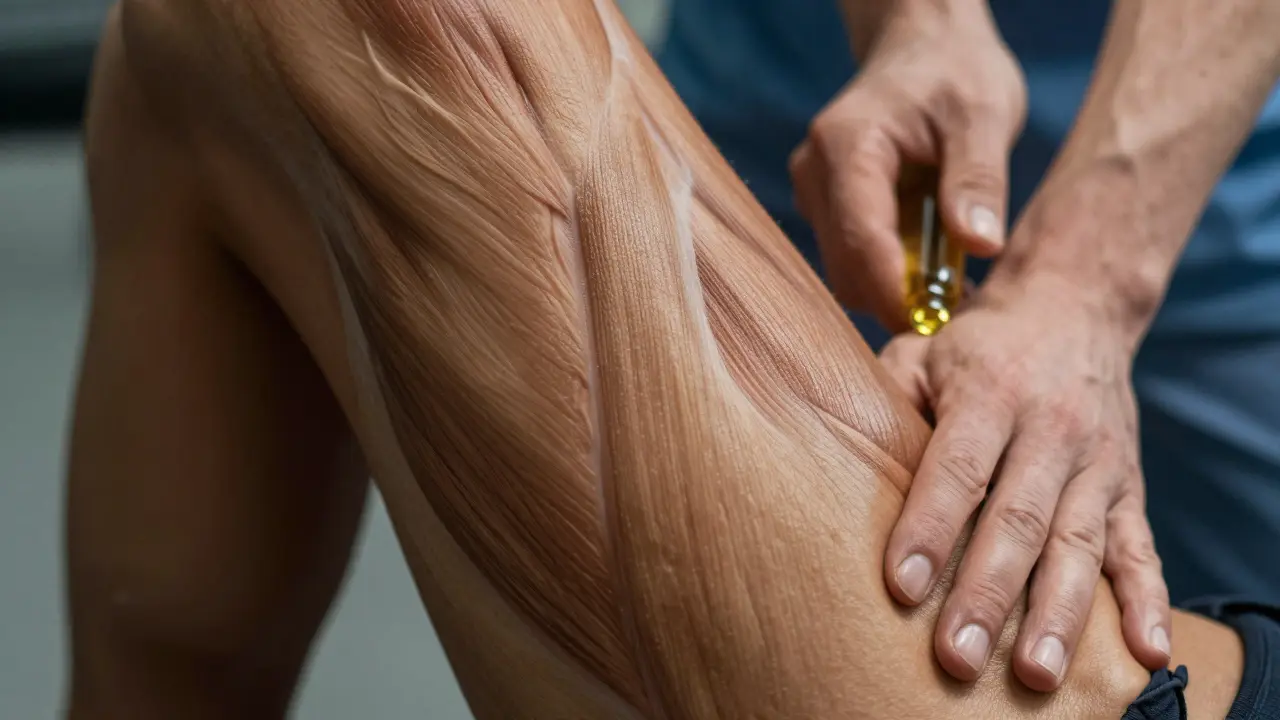
Discover how sports massage enhances athletic performance, prevents injuries, and accelerates recovery. Learn the science, techniques, and timing strategies to optimize your training routine.
Read More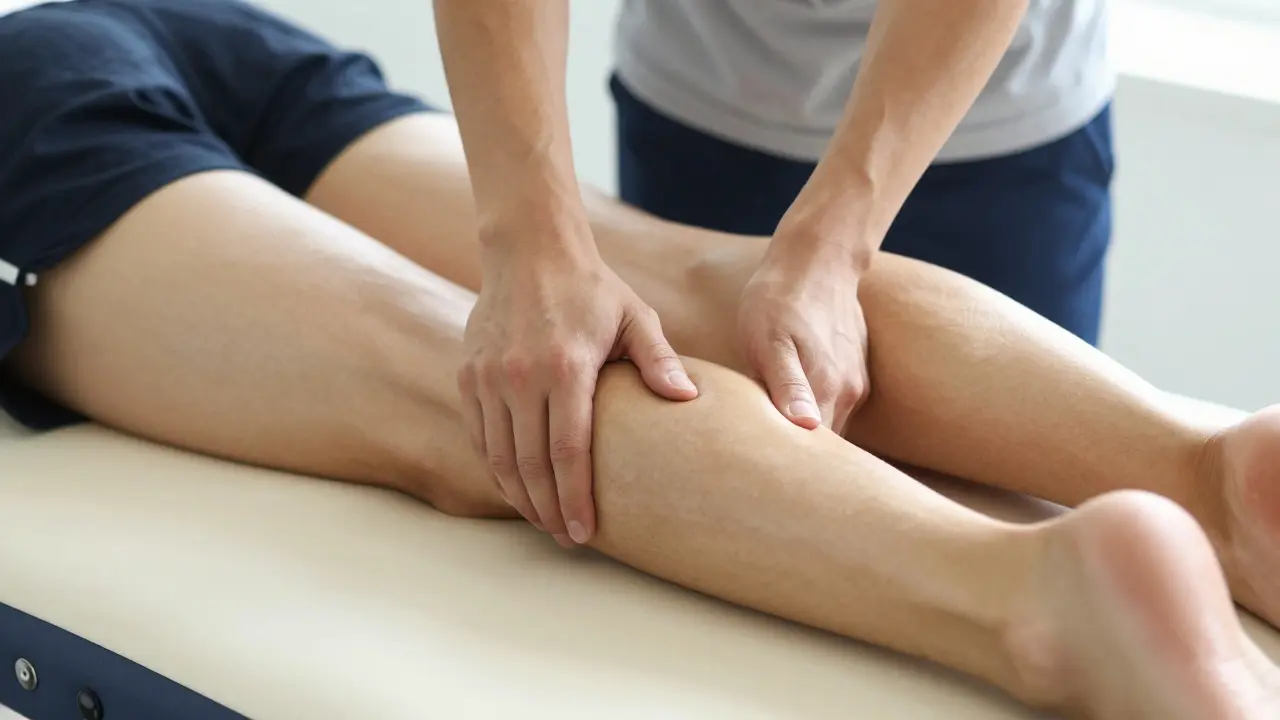
Discover why regular sports massage is essential for athletes to speed up muscle recovery, prevent injuries, and boost overall performance through targeted therapy.
Read More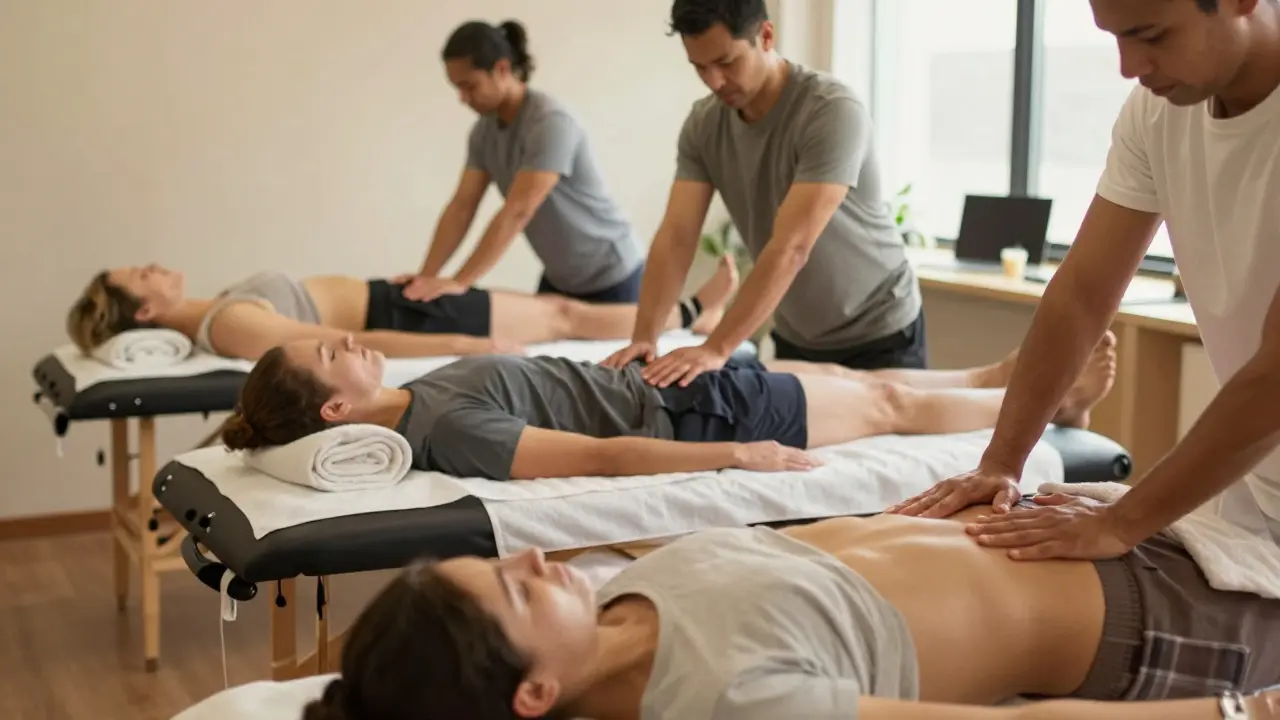
Sports massage isn't just for elite athletes-it's a science-backed tool that speeds recovery, prevents injuries, and boosts performance. Learn how targeted deep tissue work helps muscles heal faster and move better.
Read More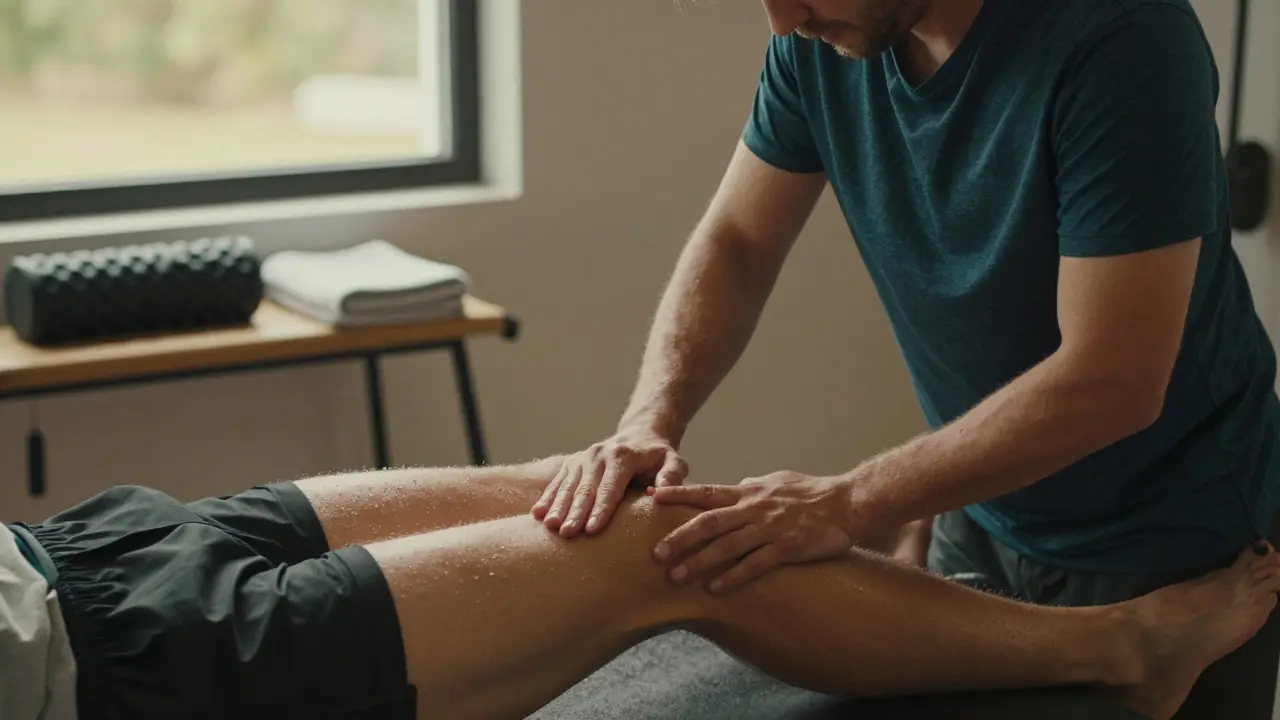
Sports massage is a vital part of sports medicine, helping athletes recover faster, prevent injuries, and perform better. Backed by science, it’s not just for pros-anyone who trains hard benefits.
Read More