

- Physiological Sigh: Two quick inhales through the nose followed by a long exhale through the mouth.
- Digital Fast: Put your phone in another room for 60 minutes to stop the dopamine-stress loop.
- Cold Exposure: Splash freezing water on your face to trigger the mammalian dive reflex.
- Box Breathing: Inhale for 4, hold for 4, exhale for 4, hold for 4.
The Biological Wall Between You and Joy
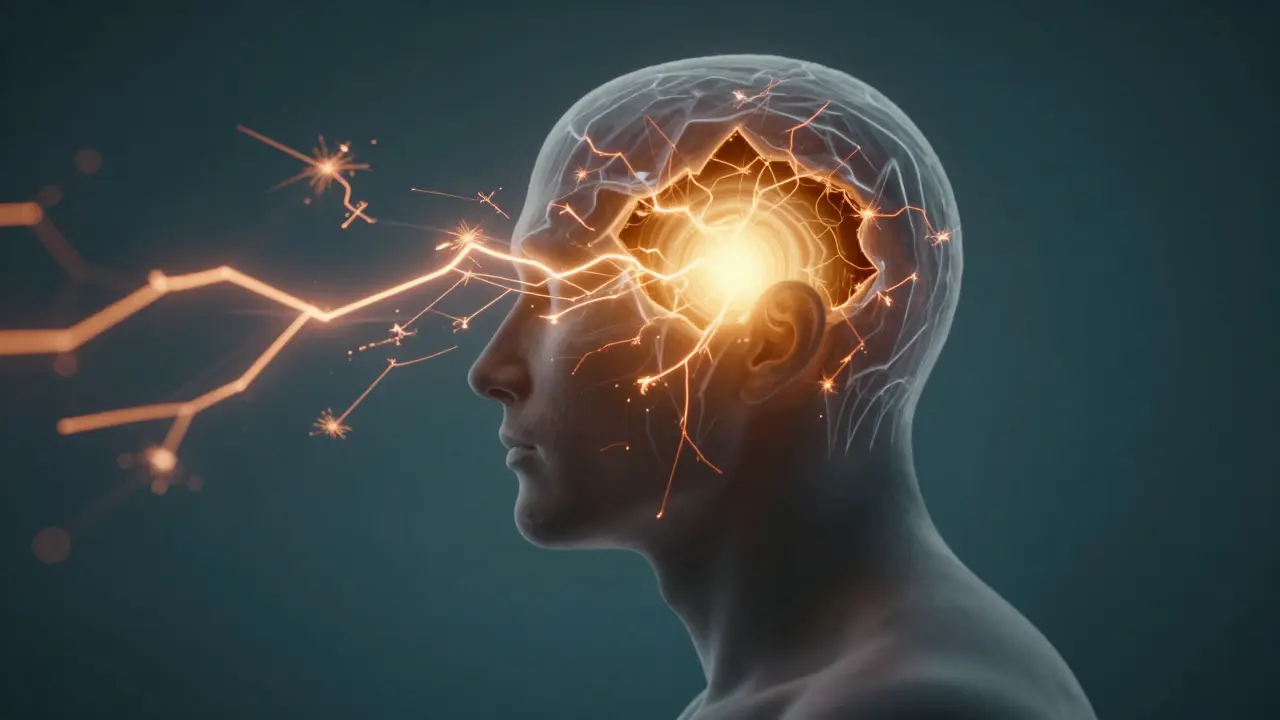
To understand why stress reduction is the key to happiness, we have to look at the HPA Axis the hypothalamic-pituitary-adrenal axis, a complex set of different endocrine glands that control your stress response. When you're stressed, your brain signals the adrenal glands to pump out Cortisol a steroid hormone that regulates metabolism and immune response, often called the stress hormone. In short bursts, cortisol is great. It helps you slam on the brakes of your car or meet a tight deadline. But when cortisol stays high, it acts like a veil over your emotional life. It suppresses the production of Serotonin a neurotransmitter that stabilizes mood and promotes feelings of well-being. Have you ever noticed that when you're incredibly stressed, even a great piece of news feels flat? That's because your biology has shifted from "thrive mode" to "survive mode."Taming the Sympathetic Nervous System
Your body has two main settings: the Sympathetic Nervous System the part of the autonomic nervous system that triggers the fight-or-flight response and the Parasympathetic Nervous System the system responsible for "rest and digest" functions, promoting calmness and recovery. Most of us spend 90% of our waking hours in the sympathetic state. We're reacting to emails, worrying about bills, and scrolling through stressful news. This keeps our heart rate elevated and our muscles tense. To get back to a state of happiness, you have to manually flip the switch to the parasympathetic side. One of the fastest ways to do this is through the Vagus Nerve. This is the longest nerve of your autonomic nervous system, running from your brainstem all the way to your abdomen. By stimulating this nerve-through deep belly breathing, humming, or even singing in the shower-you send a physical signal to your brain that the danger has passed. It's not just "relaxing"; it's a biological command to shut down the stress response.
Practical Strategies for Long-Term Calm
If you only tackle stress when you're having a meltdown, you're playing catch-up. The real magic happens when you build a baseline of low stress. This allows your brain to maintain a higher level of baseline happiness.| Approach | Primary Target | Speed of Result | Long-term Impact |
|---|---|---|---|
| Mindfulness | Cognitive Perception | Medium | High (Rewires Brain) |
| Physical Exercise | Cortisol Clearance | Fast | High (Systemic Health) |
| Breathwork | Nervous System | Instant | Medium (Symptom Relief) |
| Sleep Hygiene | Neurological Recovery | Slow | Critical (Foundation) |
The Power of Movement
Exercise isn't just about muscles; it's a waste-disposal system for stress. When you engage in Aerobic Exercise physical activity that increases heart rate and uses oxygen to fuel muscles, your body effectively "burns off" the accumulated cortisol. Think of it as completing the stress cycle. In the wild, if a lion chased you, you'd run (the stress) and then you'd find a safe place to sleep (the recovery). In the modern world, we have the stress (the boss yelling) but we don't have the physical movement to complete the cycle. We just sit at our desks with the cortisol still pumping in our veins. A 20-minute brisk walk tells your brain: "We ran away from the danger, we are now safe."Mindfulness and the Prefrontal Cortex
Mindfulness the quality or state of being conscious or aware of something, focusing on the present moment without judgment is often dismissed as fluffy, but it's actually a workout for your Prefrontal Cortex the front part of the brain responsible for complex cognitive behavior, decision making, and moderating social behavior. When you're stressed, the Amygdala-the brain's alarm system-takes over. It hijacks your thinking and puts you in a reactive state. Mindfulness trains you to observe the stress response without becoming the stress response. Instead of thinking "I am overwhelmed," you learn to think "I am noticing a feeling of overwhelm." This tiny linguistic shift creates a gap of awareness that prevents the stress from spiraling into a full-blown emotional crisis.The Sleep-Stress Feedback Loop
You can't meditate your way out of a sleep deficit. Sleep is when your brain performs essential maintenance, clearing out metabolic waste and regulating hormones. When you're sleep-deprived, your levels of Adenosine a neuromodulator that promotes sleep and regulates wakefulness build up, but so does your sensitivity to stress. Ever notice how a tiny inconvenience-like dropping a spoon-feels like a tragedy when you've only had four hours of sleep? That's because your prefrontal cortex is offline, and your amygdala is running the show. By prioritizing a consistent sleep wake-cycle, you give your brain the recovery time it needs to handle the next day's stressors without crashing.
Designing a Low-Stress Environment
Willpower is a finite resource. If you rely on your mind to "just be happy" while living in a chaotic environment, you'll lose. You need to engineer your surroundings to support your nervous system. Start with your visual field. Clutter in your physical space often mirrors clutter in your mind, triggering low-level stress responses. More importantly, manage your digital environment. The constant stream of notifications creates a state of "continuous partial attention," which keeps the sympathetic nervous system on a low simmer all day. Try the "Analog Hour." For one hour after waking up and one hour before bed, avoid any screen. This protects your morning dopamine levels and allows your melatonin to rise naturally in the evening. It's a simple change that removes a massive amount of invisible stress from your daily load.Can you actually be too relaxed?
There is a concept called "Eustress," or positive stress. This is the kind of tension you feel before a big game or a first date. You need a small amount of stress to stay motivated and focused. The goal of stress reduction isn't to reach a state of total numbness, but to ensure your baseline is low enough that you can recover quickly after a challenge.
Why does stress make me feel sad or unhappy?
Chronic stress depletes the brain of feel-good chemicals like serotonin and dopamine. When your body is focused on survival (cortisol production), it diverts energy away from the systems that create feelings of contentment and joy. Essentially, the "survival brain" and the "happy brain" cannot run at full capacity at the same time.
How long does it take for stress reduction to improve mood?
Physiological shifts, like those from breathwork or a cold shower, happen in seconds. However, changing your baseline emotional state usually takes 3 to 6 weeks of consistent practice. This is the time it takes for the brain to strengthen the neural pathways between the prefrontal cortex and the amygdala, making you less reactive to triggers.
Is meditation the only way to reduce stress?
Absolutely not. While meditation is powerful, some people find it frustrating. Physical activity, nature exposure (forest bathing), creative hobbies, and structured sleep are all equally valid ways to lower cortisol and regulate the nervous system. The best method is the one you actually enjoy doing.
What is the first step for someone completely overwhelmed?
Start with the breath. When you're overwhelmed, your breathing becomes shallow, which tells your brain you're in danger. By consciously slowing your exhale, you trick your nervous system into believing the threat is gone. Once the physical panic subsides, you can then tackle the mental list of what needs to be done.